Last Updated on August 5, 2026 by Emma Fajcz | Published: February 24, 2019
Rome has over nine hundred churches, fifty monumental fountains, seven famous hills, and countless works of art. That’s not even including all the different kinds of pasta, wine, pizza, and gelato to try! There’s so much to do that it can feel overwhelming, so that’s why we picked our 7 essential things to do in Rome, along with 3 common tourist mistakes to avoid while you’re visiting.
At a Glance: Visiting Rome Like a Local
- 🎟️ Book Tickets Early: Reserve tickets for main attractions weeks or even months ahead of your trip. The best guided tours and timed-entry tickets often sell out well in advance!
- 🍝 Eat Beyond the Tourist Hotspots: Skip restaurants with multilingual menus and staff trying to lure you inside near major landmarks. Instead, head to neighborhoods like Testaccio, Trastevere, Monti, and Prati for authentic Roman cuisine. Here’s our tips for eating like a local in Rome.
- 💧 Stay Hydrated for Free: Bring a reusable water bottle and refill it at Rome’s historic nasoni (public drinking fountains), which provide clean, cold drinking water throughout the city.
- 👟 Pack for Comfort: Comfortable walking shoes are essential! Exploring Rome’s cobblestone streets on foot means you can be walking up to 10,000 to 20,000 steps per day. Dress in light layers during spring and fall, and bring clothing that covers your shoulders and knees if you plan to visit churches and the Vatican.
- 🚶 Slow Down and Explore: Rome is best experienced on foot. Leave time between major sights to wander side streets, relax in piazzas, stop for an espresso or gelato, and discover neighborhood churches and local shops that rarely make the guidebooks.
- 🚫 Avoid Common Tourist Mistakes: Don’t try to see everything in one trip, eat every meal near famous attractions, or wait to the last minute to buy tickets to see major attractions.

Throw Coins in the Trevi Fountain
Whether you are superstitious or not, it can’t hurt to throw a penny or two into Rome’s most famous fountain, the Fontana di Trevi.
The white marble is still gleaming after a twenty-month long restoration undertaken by the Fendi foundation and completed in 2015. All those pennies add up, with an estimated 3000 euro’s worth thrown in daily. The money is donated by the city to the charity Caritas.
❌ What Not to Do: No matter how hot the afternoon or inviting the cool turquoise water looks, do not even think about a Dolce Vita style dip. The fine is 500 euros.

Refresh Like a Local
Look for the gray Nasone water fountains that are scattered all over the historic center. The cold, clear water is constantly flowing and perfectly safe to drink.

Visit So Much More than Just the Colosseum
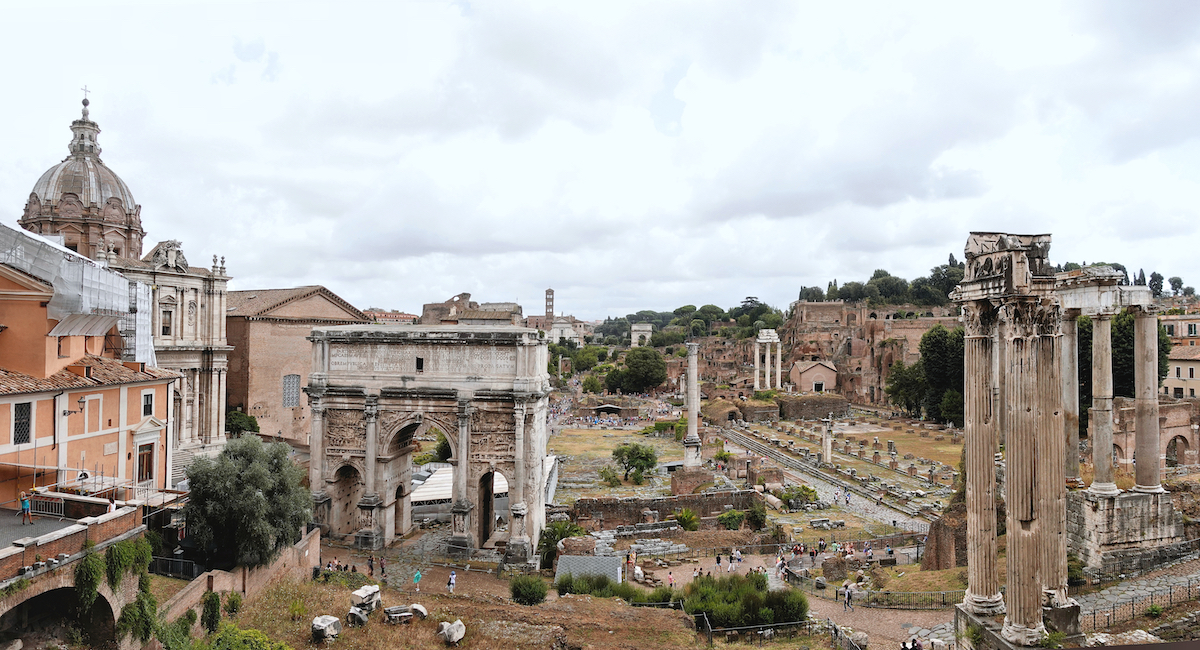
You probably already know that the Colosseum is Rome’s most iconic site. (The ancient arena has been standing since 80 AD!) But don’t fall for the tourist mistake of just staying around the Colosseum.
What you may not know is that your ticket to the Colosseum gains you entrance to two additional archeological sites, the Palatine hill and the Roman Forum. For a few extra euro, you can add access to seven more places, including the gorgeous frescos in the House of Livia and the video reconstruction of Nero’s Cryptoporticus.
Look Up for Amazing Artwork
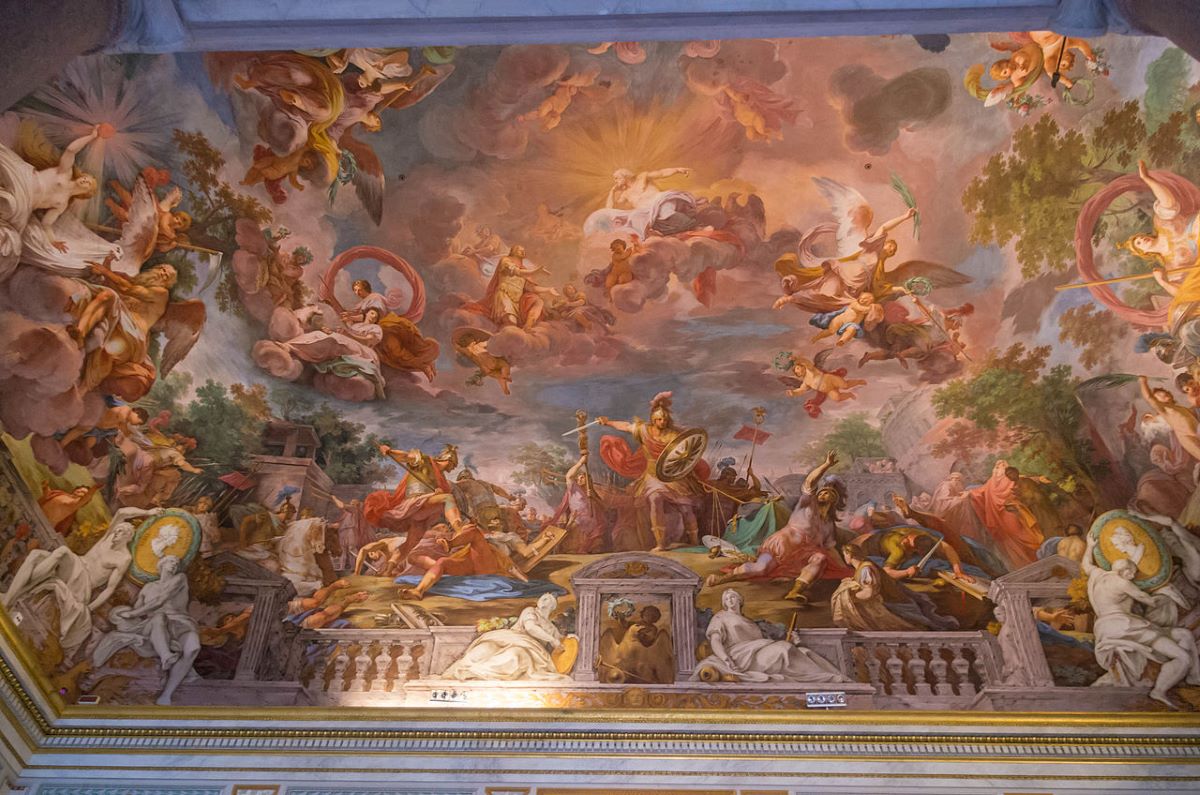
There is no arguing that the Sistine Chapel inside the Vatican Museums is magnificent, but there are plenty more amazing ceilings in Rome to see.
- You don’t even have to strain your neck to see the Renaissance frescoes by Giovanni Lanfranco and Domenichino because of the perfectly angled mirror inside Sant’Andrea dell Valle.
- Give your eyes a break from colorful frescoes and gilded Baroque excess with the more restrained work of Boromini inside the San Carlo alle Quattro Fontane.
- dmire the instructs mosaics of the chapel of Saint Zeno inside the 9th century Santa Prassede.
Weather the Pantheon
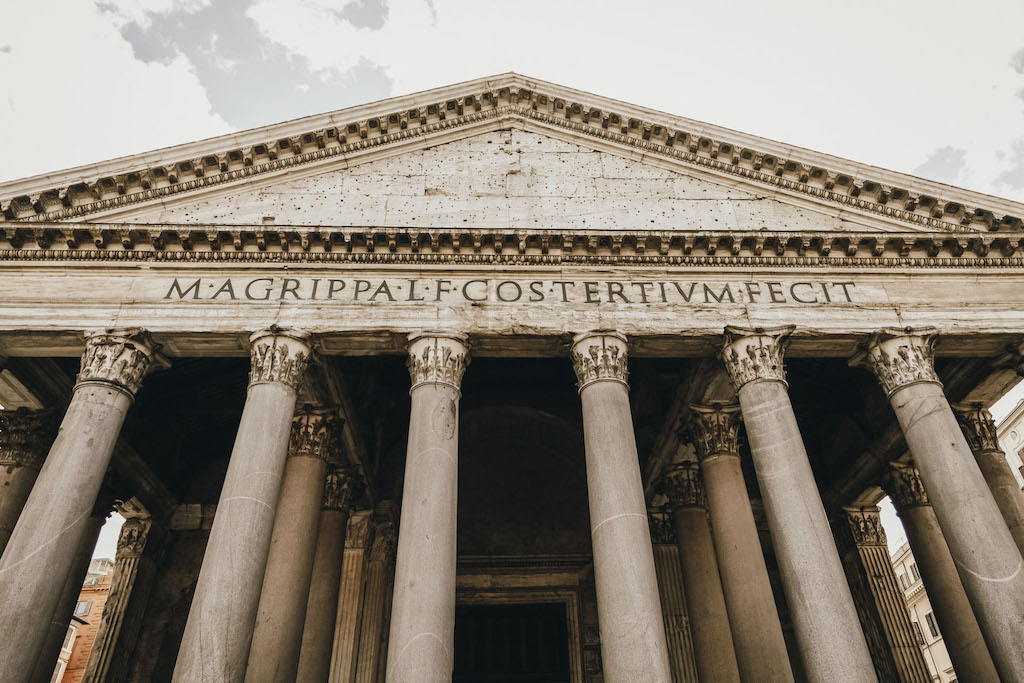
Come rain or come shine, the Pantheon never fails to disappoint. Depending upon the weather, you can watch the sun move or rain fall through the oculus. One of Rome’s most ancient intact structures, its roof is the single largest, unreinforced concrete dome in the entire world.
This ancient wonder is home to a functioning Catholic church that holds daily mass and holds the tombs of the artists Raphael and of several poets and Italian kings.
Walk in the Park
There are lots of green spaces and parks in Rome among the churches and cobblestone streets. The Villa Borghese has a lake, a zoo, several playgrounds even tiny ponies for children to ride!
Visit a neighborhood market or at the Alimentari (one of the great delis in Rome) and have a picnic lunch on the grass under a tree. This park is also where you will find one of the city’s finest art collections inside the Galleria Borghese.

Go Underground
Rome is a city of layers: literally centuries of history all jumbled up on top of each other. To give you a sense of how the city’s has changed, think about that the Roman Forum was once street level!
There is so much to explore underground in Rome. Centuries of history of a Roman house is recreated with marble fragments brought to life with video re-creations at The Domus Romane di Palazzo Valentina.
In addition, there may be up to forty catacombs (ancient Roman and early Christian underground burial places) underneath Rome. Along the Appian Way are the Catacombs of Santa Domitilla, Catacombs of San Callisto, and the Catacombs of San Sebastiano.

3 Things Not to Do in Rome
Don’t Eat Early
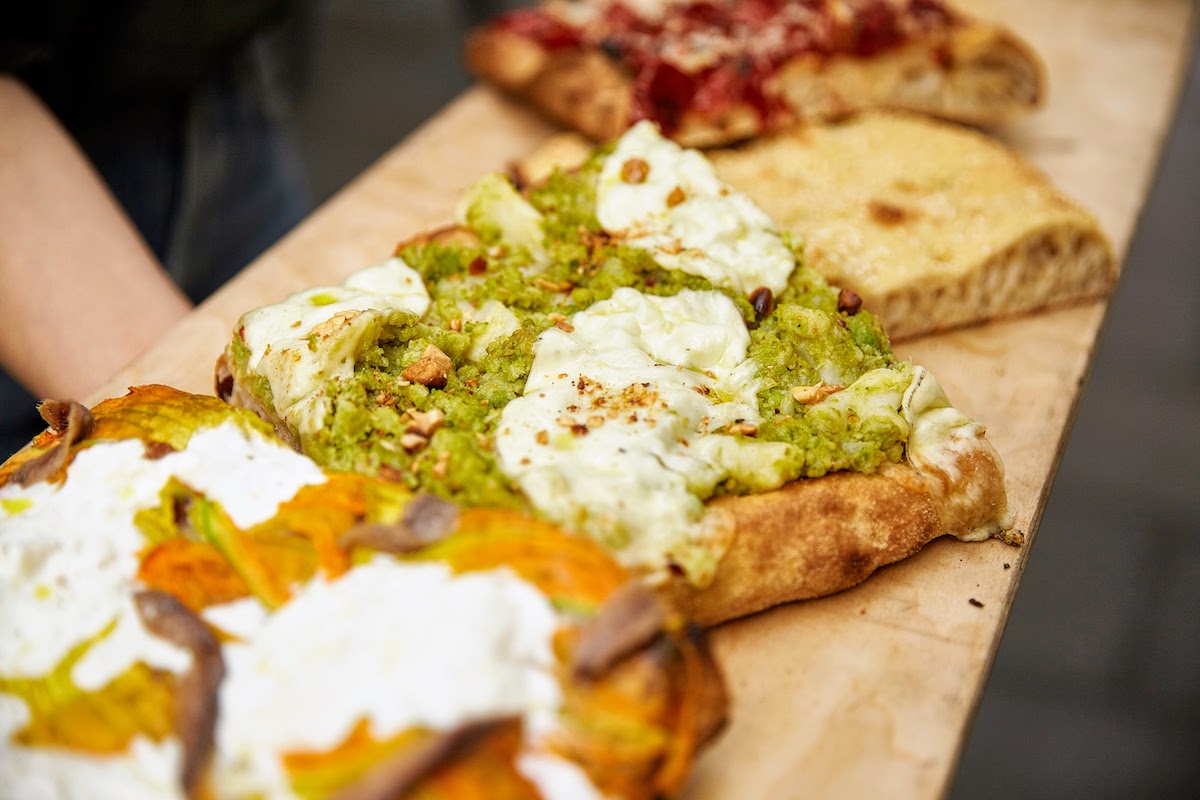
Italians are very particular about what you eat and when you eat it. Lunch is from 1:00-3:00 pm, and it is not easy to find a good restaurant open for dinner before 8:00 pm on a summer evening. Plan on gelato and pizza al taglio snacks to ease any hunger pangs.
Coffee Tip: You have surely heard that you can not order a cappuccino after 11:00am. That is only partly true! What is most important is that you don’t order a cappuccino after a meal. Save your cappuccinos for breakfast or late afternoon!
Don’t Stand in Line
If you are visiting Rome from March through November, the city will be crowded. Many of the most popular sites have long entrance lines and no shade! Save yourself a long, hot wait and book ahead for as many sites as you can in order to skip the lines in Rome.

Don’t Sit Down
Or do. It really is your choice! But you need to be aware that the price of your coffee or gelato can be dramatically different depending on whether you stand at the bar or sit at a table. Make sure you ask!
Local Tip: You are welcome to sit at most Roman fountains and on the famous Spanish Steps, but you can not eat or drink on any of these historic steps.

Looking for a Delicious Experience Off the Beaten Path?
If you’re in the mood for something off the beaten path, why not join our Rome Pizza-Making Class or Rome Pasta-Making Class? Learn the art of making these quintessential Italian foods, meet new people, and enjoy a delicious dinner!

Featured Review: Rome Pizza Making Class
⭐⭐⭐⭐⭐ “Excellent experience! Thank you so much Gianmaria! This is best pizza we’ve ever had! Haha! The experience was super informative, entertaining and ingredients were fresh!”
– Katheline
Things to Do in Rome FAQs
How many days should you spend in Rome?
Plan to spend at least three to four full days in Rome to experience the city’s major landmarks, neighborhoods, and food scene without feeling rushed. If you want to visit the Vatican Museums, explore lesser-known districts like Testaccio or Trastevere, and take a food tour, five days will give you a much more relaxed itinerary.
What’s the best way to get around Rome?
Rome’s historic center is surprisingly walkable, and many of the city’s top attractions are within a 20- to 30-minute walk of each other. For longer distances, use the metro, buses, or trams, but don’t rely on public transportation for every trip; walking is often faster and lets you discover hidden piazzas, churches, and cafés that many visitors miss.
Do you need cash in Rome?
Most restaurants, hotels, and attractions accept credit cards, but it’s still helpful to carry €20–50 in cash for small purchases, neighborhood cafés, market stalls, public restrooms, or the occasional business that has a minimum card spend.
What are the biggest mistakes first-time visitors make in Rome?
Many visitors try to see too much in one day, spend all their time around the Colosseum and Trevi Fountain, or eat at restaurants with multilingual tourist menus near major attractions. Instead, build in time to wander neighborhoods like Testaccio, Monti, or Trastevere, make reservations for popular sights in advance, and slow down enough to enjoy long meals and aperitivo like the locals do.
Is it safe to drink the tap water in Rome?
Yes. Rome’s tap water is clean, safe, and excellent to drink. Throughout the city, you’ll find hundreds of historic nasoni (public drinking fountains) providing free, fresh water. Bringing a reusable water bottle can save money and help you stay hydrated while sightseeing, especially during the hot summer months.