Last Updated on April 10, 2026 by Emma Fajcz | Published: March 25, 2019
Roman food has a few essential characteristics: it’s simple, the main seasonings are black pepper, pecorino, and mint, and every part of the animal can be eaten. This means that recipes using offal are not only beloved in Rome, but they also represent its history of cucina povera (food of the poor). Here’s all you need to know about Roman offal and how to eat it while you’re visiting.

Table of Contents
Quinto Quarto
The blanket term for offal is quinto quarto, which is a pun that literally means “the fifth quarter.” Things like the head, organs, and feet make up only a quarter of a butchered animals’ weight, but they’re less valuable than the remaining flesh. While not as famous as spaghetti alla carbonara or fried artichokes, the off-cuts of meat—liver, intestine, tail, tongue—are essential to cucina romana.
All around Italy, various regions cook these off-cuts. But Rome is unique in both its diversity and depth of offal cookery—everything gets used, and often used in multiple ways. Therefore, I don’t have space here to list every dish, but I’ll give you a run-down of the most common ones.
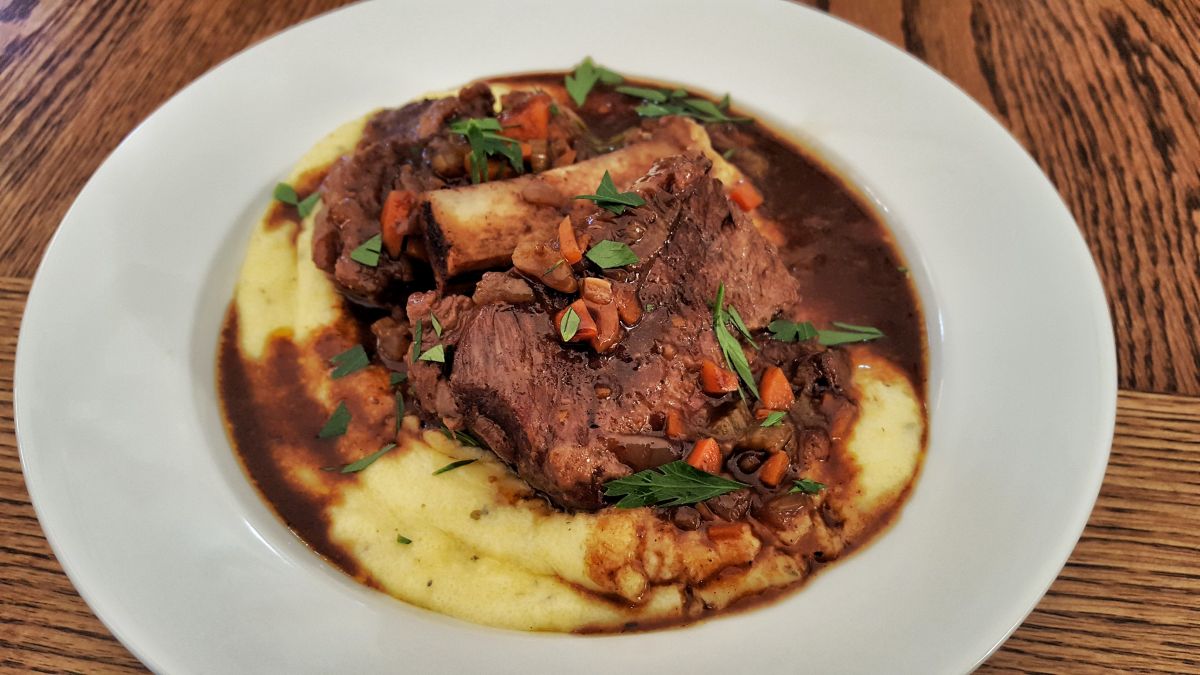
Coda alla Vaccinara
Coda alla Vaccinara is a dish of braised oxtail. The tail is cut into big chunks, browned, and then stewed tender in tomato sauce and wine. There are a few extra components, though, that set this dish apart.
It’s typically made with an enormous amount of celery—my favorite version, at Mimi e Cocozza, has 3-inch pieces mixed in for the last hour of braising, so they’re cooked but still firm. The seasonings (somewhat unusual for Roman cuisine) are baroque: clove, cinnamon, raisins, pine nuts, and even some bitter chocolate all can be used. This is one of the few dishes you could actually make at home.
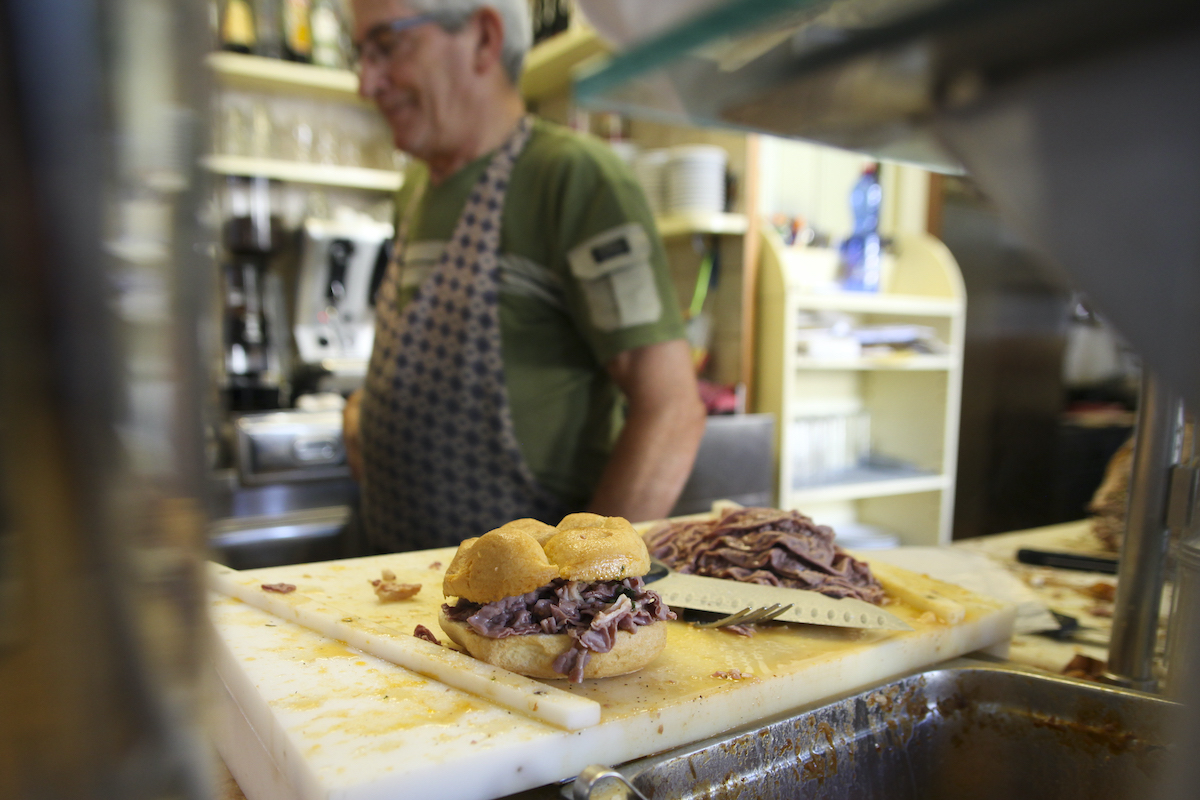
Tripe: Trippa alla Romana & Pajata
Two more dishes come from the bovine family. All around Italy, people eat tripe. Trippa alla Romana is Roman-style, meaning cooked in tomato sauce, and spiced with that classic capitoline trio: black pepper, mint and pecorino romano.
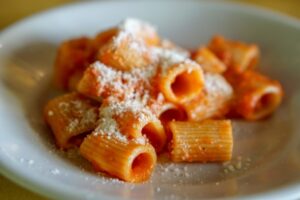
Go a little further down, however, and you get something truly Roman: pajata. This is the intestine of a calf, uncleaned so that the partially-digested mother’s-milk remains inside. The guts (about the size of surgical tubing), are usually cooked in tomato to make a sauce for pasta, spiced with some nutmeg and pecorino.
Or, you can do like Pommidoro, and make a spiedone: lengths of intestine wrapped around a metal skewer and grilled crispy. Either way, it’s delicious—the milk becomes ricotta-like when cooked, and the intestine snaps like a good sausage.

Abbacchio and Coratella
Romans love their baby lamb, known as abbacchio, usually grilled or roasted, but they also eat the insides. Coratella is the pluck of the lamb—heart, lungs, liver, kidney and spleen. The different organs are diced, and then cooked with wine, herbs, and (because we’re in Rome) artichokes. It’s strong and mineral-tasting, best enjoyed as an appetizer, with some good bread and white wine, like they do at La Tavernaccia.

There are so many other plates we could talk about. Tendons, pasta with chicken giblets, veal kidneys, pork liver sausage … as you explore Rome, and eat in its restaurants, you’ll keep discovering parts of the animal you didn’t know were edible.
A History of Frugal Eating
Like I discussed in the Behind the Bite: Roman Pasta, tying down the origins of these offal dishes is difficult. These dishes are so simple, so connected to frugality, and so, in a way, commonsense (all animals have organs) that their existence often can’t be connected to a single chef, event, or even place. Roman food is, fundamentally, cucina povera, “poor people food.” People used what they had on hand or could buy cheaply, and the offal dishes are no exception.
For example, coratella is a fundamentally pastoral dish. When shepherds slaughtered the spring lambs, they had an abundance of nutrient-rich organs, which spoiled quicker than the meat. Artichokes grow abundantly in the Roman countryside, especially in the spring. So, it’s no surprise that people decided to put the two ingredients together as a meal after butchering.
Pajata is much the same. Every calf has milk-filled intestines, which could be made into a hearty dish. Interestingly enough, some scholars believe the dish originated in the Roman-Jewish Ghetto. The Jews would have only had access to cheap or throwaway cuts. And, interesting enough, pajata is actually kosher—the curdled milk in the intestines isn’t considered “dairy,” and therefore doesn’t violate the prohibition against mixing meat and milk.

Testaccio Market
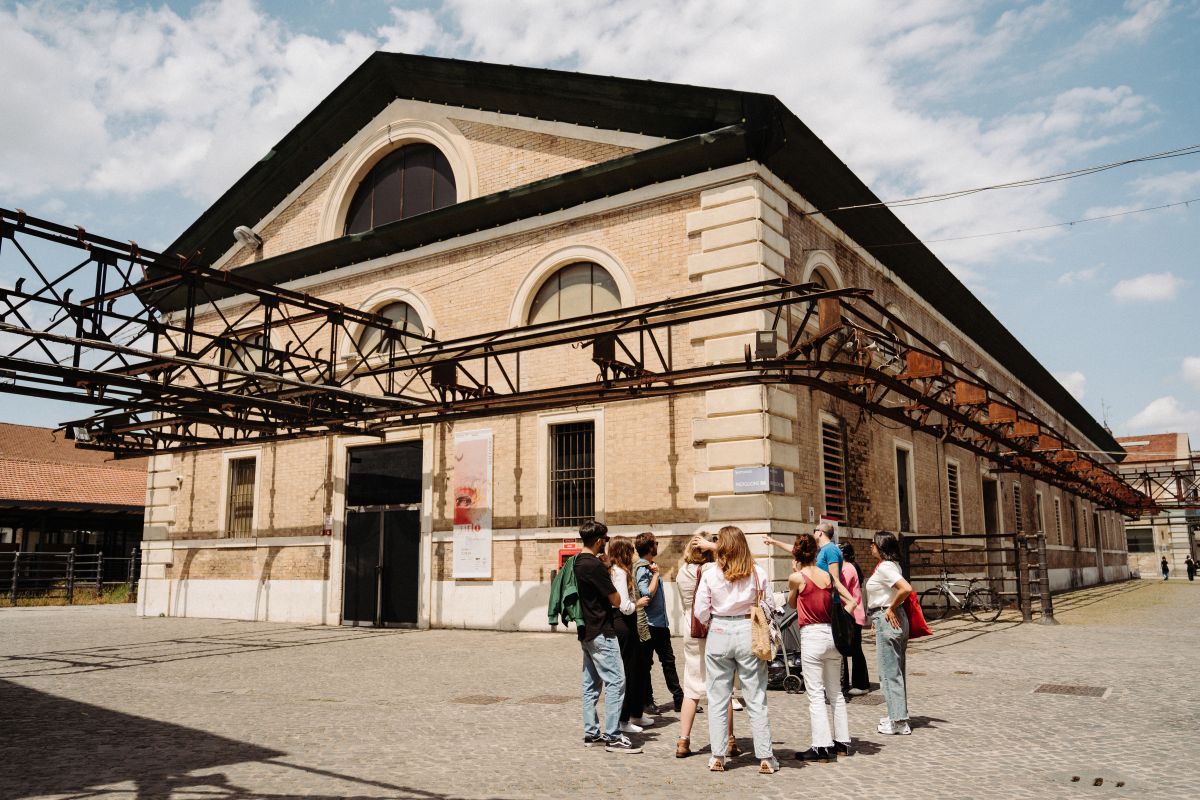
Many food writers and Romans themselves to consider Testaccio, the former meatpacking neighborhood, as the “birthplace” of many quinto quarto dishes. It makes sense. From 1890 to 1971, Testaccio housed Rome’s municipal slaughterhouse. Workers often took organs home or to local restaurants, many of which are still open, and have far more organ meat on the menu than in other zones.
However, a lot of these dishes predate Testaccio’s abattoir. For example, coda alla vaccinara means “oxtail, tanner-style,” because it was supposedly invented by leather workers and cow butchers in the city center around the 17th century. It’s better to say that Testaccio didn’t invent offal-centric dishes, but rather that pre-existing preparations were extremely popular and practical in a place with such a wealth of organ meats.
What Does the Future Hold?
“There were five of these when I opened up this morning,” the butcher tells me, holding the last remaining veal kidney in his hand. “People still buy them.”
I was at Macelleria Signorini, one of Rome’s best butchers, on a Saturday morning. It was packed with customers, from a mother getting some chicken cutlets to a fedora-wearing elderly man wanting to make sure the butcher ground the veal for his meatballs three, not two, times. In the glass display case, in between the big racks of steak and piles of chickens, were organs—lamb pluck, veal tongue, a big bin of tripe.
“But do only old people buy them?” I ask.
The butcher leaned a bit on his knife point and conceded that yes, most of the offal-buying customers were quite old. “A lot of kids today, not having eaten this stuff at home, have lost their sense of culture,” he said, a bit ruefully.
His words demonstrate how fundamental offal is to Roman cuisine. Rather than being oddities or once-a-year rituals, these dishes were integral to the daily diet. Saturday, for example, was once the day when everyone ate tripe.

Tripe Hasn’t Gone Completely Out of Style
The survival of quinto quarto isn’t in danger, though, for a few reasons:
- None of these organs are illegal to sell, like they often are in America. (Due to scares over Mad Cow, veal pajata was banned for about 10 years, and people used lamb instead, but the ban has since been rescinded.)
- As long as people eat meat, there will be organs. Unlike the production of, say, a type of cake, having organ meats available requires only that the meatpacking industry saves and sells the raw product.
- Quinto quarto might not be as popular at home, but restaurants still offer it. Not only do the Restaurants have access to better butchers and chefs, but Romans still like to eat offal when they go out as a way to feel more Roman. At home, they might eat more “normal” food, but at a traditional, down-and-dirty osteria, they like to eat the most Roman food possible. Trust me, if you go to a restaurant, and it says on the menu “Rigatoni con la pajata,” you can be sure that the guy next to you will be tucking into a big plate of pasta with intestines, cutting them open with the side of his fork and letting the milk cream into the sauce.

It is true, that the easier-to-stomach quinto quarto dishes are more commonplace—beans with pigskin, veal tongue, and coda alla vaccinara, which is on virtually every menu in Rome. But the guts and hearts and livers still exist, and they’re usually not fussed with too much.
You might get a restaurant, like Osteria Fernanda, that makes some refined sweetbreads, but by and large offal remains the domain of traditional locales and traditional preparations. Offal is, in many ways, a link to the deprivations of the past that thankfully no longer exist.

Visit the Testaccio Market with Us on Tour
Say goodbye to the crowds in central Rome and step into the everyday life of real Romans on our Ultimate Rome Food Tour with Testaccio Market. You’ll enjoy 14 tastings across 8 family-run spots in Testaccio, which is enough for breakfast and lunch. Along the way, meet some of our best friends—Testaccio’s small business owners—and learn about the passion they have for their family-run market stalls, pastry shops, and trattorias. You’ll gain insight into what makes Testaccio unique and how its evolution over the centuries has influenced Roman culture and food today!

Featured Review: Ultimate Rome Food Tour
⭐⭐⭐⭐⭐ “What an amazing way to learn about Roman food! Guilia was fantastic and the variety and volume of the foods we tried was great! I’m so full! I would highly recommend to anyone visiting Rome. So good to get out of the tourist packed areas and see an authentic part of Rome.”
– McKayEntourage on Tripadvisor
Offal in Rome FAQs
What is offal called in Rome?
In Rome, offal is known as “quinto quarto,” or “the fifth quarter.” The term refers to the organs and less expensive cuts left after the four main quarters of the animal are sold. These ingredients became the basis of many of Rome’s most traditional dishes.
What are the most famous Roman offal dishes?
Some of the best-known Roman offal dishes include trippa alla romana (tripe in tomato sauce with mint and pecorino), coda alla vaccinara (oxtail stew), coratella con carciofi (lamb organs with artichokes), and rigatoni con la pajata, a pasta dish made with milk-fed calf intestines.
What does pajata taste like?
Pajata has a surprisingly mild, creamy flavor. The intestines of a milk-fed calf still contain milk, which turns almost ricotta-like when cooked. Many people describe the texture as soft and silky, with a richer flavor than tripe but less intensity than liver.
Is Roman offal food still popular today?
Yes. While fewer Romans cook offal at home, quinto quarto dishes remain a major part of the city’s culinary identity and are still widely served in traditional trattorias. Dishes like coda alla vaccinara and trippa alla romana appear on menus across Rome, especially in neighborhoods like Testaccio.
What is the easiest Roman offal dish to try first?
If you are new to offal, coda alla vaccinara is usually the best place to start. Because it is made with oxtail rather than organ meat, it feels more familiar while still introducing you to Rome’s quinto quarto recipes. Trippa alla romana is another good beginner-friendly option.






THANK YOU
MORE ON offal
Noted! Thanks for reading, Michael!