Last Updated on April 9, 2026 by Emma Fajcz | Published: March 14, 2019
Eating seasonal in Rome isn’t just about which vegetables are at the market (although there are plenty of those). It’s about festivals, holidays, and even days of the week! Therefore, we’ve put together this guide to seasonal eating in Rome, from knowing when to get the best artichokes to proper pastries for Carnival.

Table of Contents
Seasonal Eating in Rome
One of the great things about eating in Rome is, ironically, the limitations of the season. Certain dishes—cacio e pepe, braised oxtail—are evergreen, but many things you only get in certain periods, or even days. Things you crave, you dream about, and then finally you see them in a bin at the farmers market or on the menu at your local trattoria.
The most obvious things to eat seasonal in Rome are fruits and vegetables, which we’ll to below. However, that’s only the outer leaf of the artichoke when it comes to the Roman food calendar. Religious holidays, festivals and days of the week all have special foods and ingredients associated with them.
Looking for authentic dishes to try while you’re in the city? Don’t miss these 7 traditional foods in Rome!

1. Fruits and Vegetables
The most iconic Roman vegetable is the artichoke, which can be stewed, fried, or shaved raw for salad. Artichoke season is generally early winter to mid-spring. They’ll first come from other regions of Italy, and then around February, the true carciofo romanesco emerges from Ladispoli and Cerveteri just outside of Rome. These ‘chokes are round and as purple as a Roman emperor’s robe. When the weather gets too hot around May, they vanish.
Puntarelle are even more ephermal. A sort of green chicory, it’s composed of tough outer leaves and tender shoots. The leaves are removed, and what remains gets sliced thin and doused with olive oil, vinegar and a ton of anchovy. You can only find them in the winter, but in the winter they’re everywhere.
In Italy, May 1st is a national holiday, their version of Labor Day. In Rome, the tradition is to go to the countryside and eat fresh, green fava beans with shavings of sharp sheep’s-milk pecorino romano. (Don’t miss our guide to Italian cheeses if you want to learn more about pecorino romano!) You’ll also find favas in springtime vignarola, a mixed stew of lettuce, artichokes, favas, peas and guanciale.
Rome’s best-loved fruit is the fragolina, a tiny strawberry. Only found in mid-spring, fragoline are a trattoria mainstay in this period, best enjoyed with a light mascarpone cream or just zucchero e limone (sugar and fresh lemon juice).

2. Meat and Fish
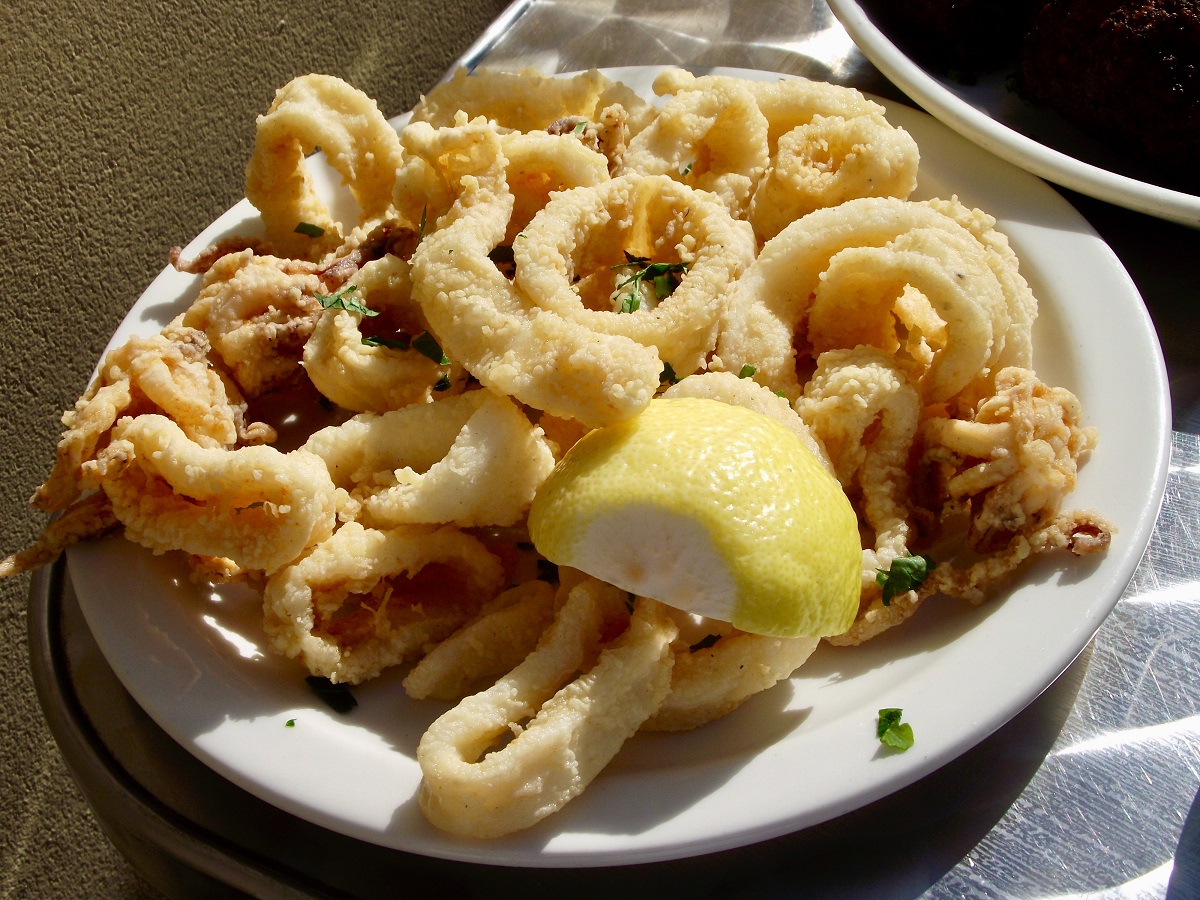
Romans are not huge seafood eaters. Nor are they as particular about fish seasonality as, say, Venetians, who have certain species which are literally only available a few hours a year. However, shellfish are generally at their plumpest in winter, like tiny flat-shell clams or red shrimp, begging to be served for a traditional Roman Christmas Eve dinner. In the summer, as people flock to the seaside, the taste is more for whole fish like bass, or for a classic treat: fried calamari.
The winter is usually filled with rich stews of oxtail, or the pan-Italian favorite of tortellini in meat broth. In summer, the fare tends to be lighter, like pollo con i peperoni—chicken stewed with white wine, tomato and tons of fresh bell peppers.
The true iconic “seasonal” meat of Rome, though, is abbacchio. This is a baby lamb, about 15 pounds of pink meat, historically eaten during the spring birthing season. Now, it’s the meat to eat for Easter, as common as turkey for American Thanksgiving.
3. Pastries
You know Carnevale is near when the bars and pastry shops of Rome fill up with frappe and castagnole. The former are crumbly sheets of fried dough, dusted with powdered sugar and sometimes drizzled with chocolate. The latter are named after chestnuts (castagne) because of their shape, as they are miniature doughnuts rolled in sugar.
They’re meant to be indulgently eaten before Lent. In the few weeks leading up to Carnevale, most pasticcerie in Rome have a glass case full of both, ready to be scooped in paper bags and sold by the kilo. Don’t miss our favorite bakeries in Rome, as you’re sure to find some delicious pastries here.

4. La Sagra
There are food festivals, and then there are Le Sagra. A sagra is a traditional, religiously-charged celebration for a particular food, as sagra means “sacred.” They usually occur outside Rome, in a town or village known for a certain product or dish.
For example, there’s the Sagra degli Spaghetti all’Amatriciana in Amatrice, celebrating Rome’s favorite tomato-guanciale-cheese pasta in its namesake city. In Marino, every fall there’s the Sagra dell’Uva, a wine festival that culminates in the fountains of the city spouting not water, but gallons of local vino rosso.

5. Days of the Week
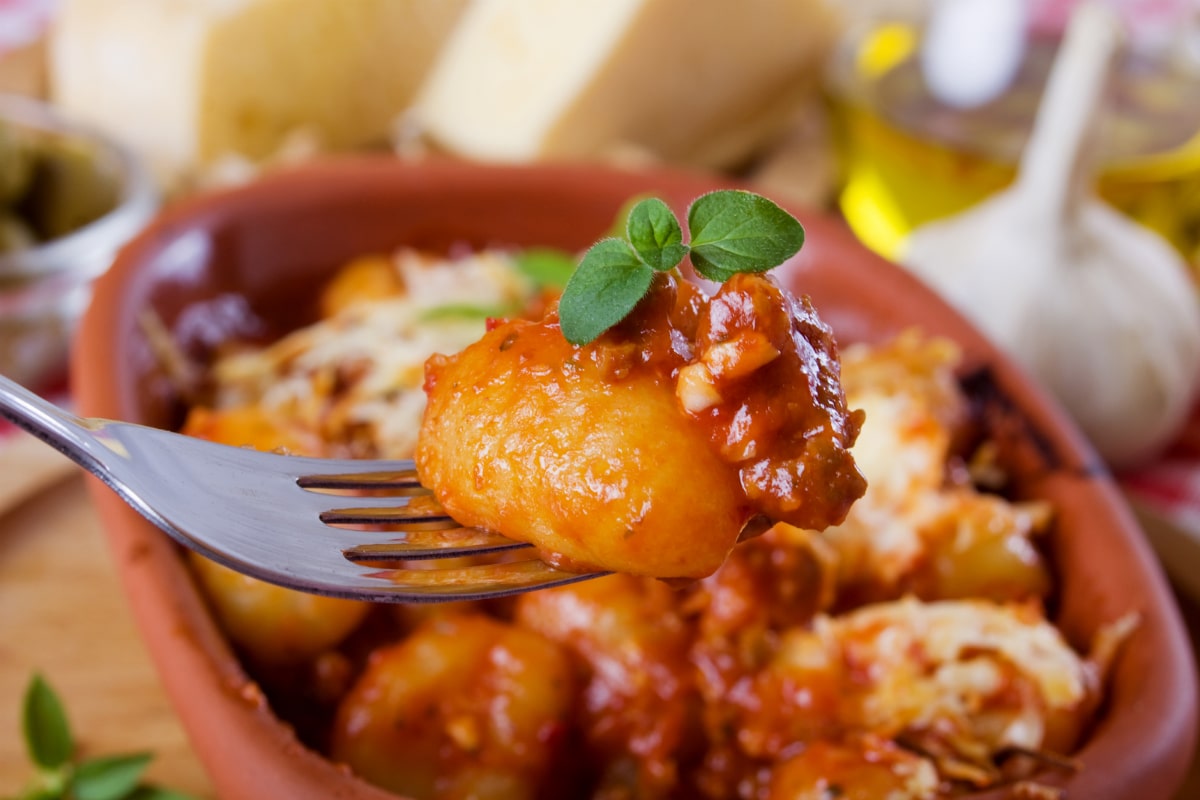
Believe it or not, certain days of the week have certain foods associated with them. In Rome, there’s a common saying: “Giovedì gnocchi, Venerdì ceci e baccalà, Sabato trippa,” which means gnocchi on Thursday, chickpeas and salt cod on Friday, and tripe on Saturday.
- On Thursday, you eat gnocchi, either the standard potato kind or “alla romana,” meaning made with only semolina flour.
- On Friday, the day Catholics traditionally don’t eat meat, you have pasta with chickpeas and a piece of baccalà (salt cod that Romans often baked with tomatoes and olives).
- On Saturday some fresh tripe, stewed tender in tomato sauce and garnished with plenty of mint, black pepper, and pecorino romano. Now, obviously most Romans don’t follow this at home, but restaurants in Rome frequently do, especially when it comes to homemade gnocchi on Thursday.
- There’s no phrase for Sunday, but it might as well be “morning pastry, evening pizza.” Every Sunday morning, the bars and caffès of Rome are full of people. They come before and after church, or freshly hungover, to have a cappuccino and a pastry, sit with friends, and let lunch simmer away on the stovetop. At night, after a day of cooking, many families go out for pizza and beer.
Want to Make Authentic Roman Food Yourself?
Ever dreamed of cooking authentic Roman pizza and tiramisu? Now’s your chance! Book a spot on our popular Rome Pizza Making Class. In this immersive class, you’ll step into a cozy kitchen in the heart of Trastevere with a local chef and learn to make pizza the Italian way. Start with a glass of prosecco or a spritz, then create your own pie and prepare classic tiramisù before gathering around the table for a relaxed meal with wine, beer, and great conversation. This is a night you’ll talk about long after the last slice!

Featured Review: Rome Pizza Making Class
⭐⭐⭐⭐⭐ “The entire experience was amazing! Gian was an incredible instructor/host. The atmosphere was relaxed, we all had a lot of fun and many laughs. It was a small enough group that we were not rushed and were able to fully enjoy the experience. I highly recommend doing this when in Rome.”
– Michelle on Tripadvisor
Seasonal Guide to Eating in Rome FAQs
What foods are in season in Rome each month?
Seasonal produce shines year-round: artichokes and asparagus in spring, tomatoes and peaches in summer, mushrooms and truffles in autumn, and citrus in winter.
Which festivals in Rome center around food or agricultural traditions?
Events like the Carciofi Festival in Ladispoli, Sagra dell’Uva grape festival, and holiday markets celebrate Rome’s deep food and harvest traditions.
Where can I find the best seasonal markets or farm-to-table restaurants in Rome?
Explore Campo de’ Fiori and Testaccio Market for fresh local produce, or dine at restaurants that highlight regional, seasonal cooking across the city.
Are there dishes only served in Rome during certain seasons (e.g. spring, winter, holidays)?
Yes. Carciofi alla Romana in spring, hearty oxtail stew in winter, and festive treats like panettone at Christmas showcase Rome’s seasonal food culture.