Last Updated on April 16, 2026 by Emma Fajcz | Published: August 18, 2022
You may already know that Italy wasn’t a country of its own until 1861, but some things have always united us: our love for food, respect for tradition, and great joy when the two come together. There is no better place to experience this than in one of the oldest restaurants in Florence.
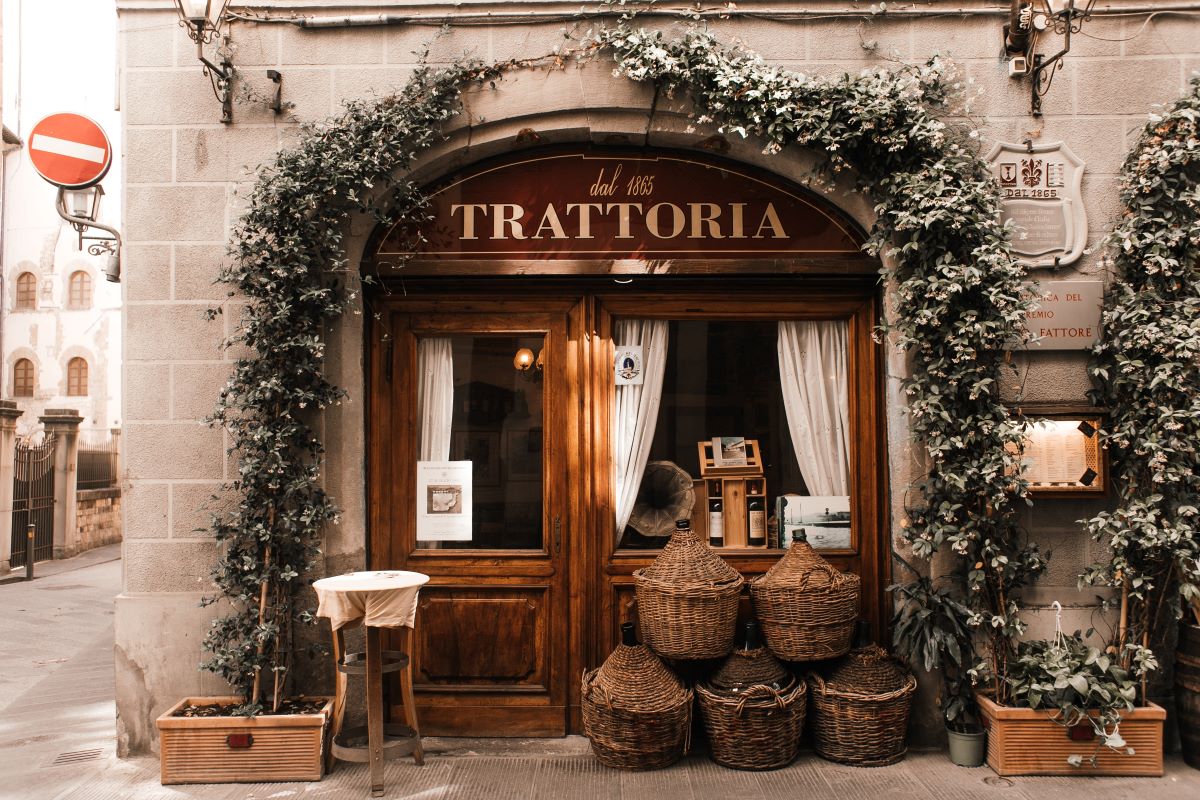
More than anywhere else in Italy, Florence is famous for its many restaurants that have been around for generations. Celebrating tradition and honoring authentic Florentine cuisine, these restaurants are unique experiences and must-visit while in Florence. Join us in this adventure through time and discover must-try classic foods in Florence at these oldest restaurants in the city!
Ristorante Buca Lapi
Buca Lapi is nicely nested in the charming basements of a beautiful Renaissance palace, Palazzo Antinori. In 1880, the Antinori family opened a trattoria and hired Orazio Lapi as the “tavern keeper.” As the wine cellars were underground, they were known as a hole or buca in Italian. And so the family decided to call the trattoria after Orazio Lapi – Buca Lapi.
Buca Lapi has been a favorite among foreigners ever since it opened, especially among the more glamorous and even royal. In fact, Grace Kelly had a nice time here in the 1960s! Put on your best outfit and catch some leftover stardust at this Florentine institution.

Il Latini
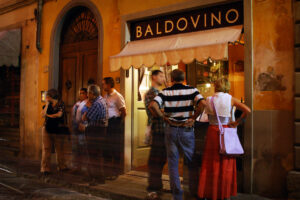
A short walk from Ponte Vecchio, Il Latini is hidden on a little side street. It could easily be missed except for the long line of both Florentines and foreigners waiting to enjoy a feast. As you enter, do yourself a favor and look up for a unique view: prosciutti hanging from the ceiling alongside chandeliers from the 1920s.
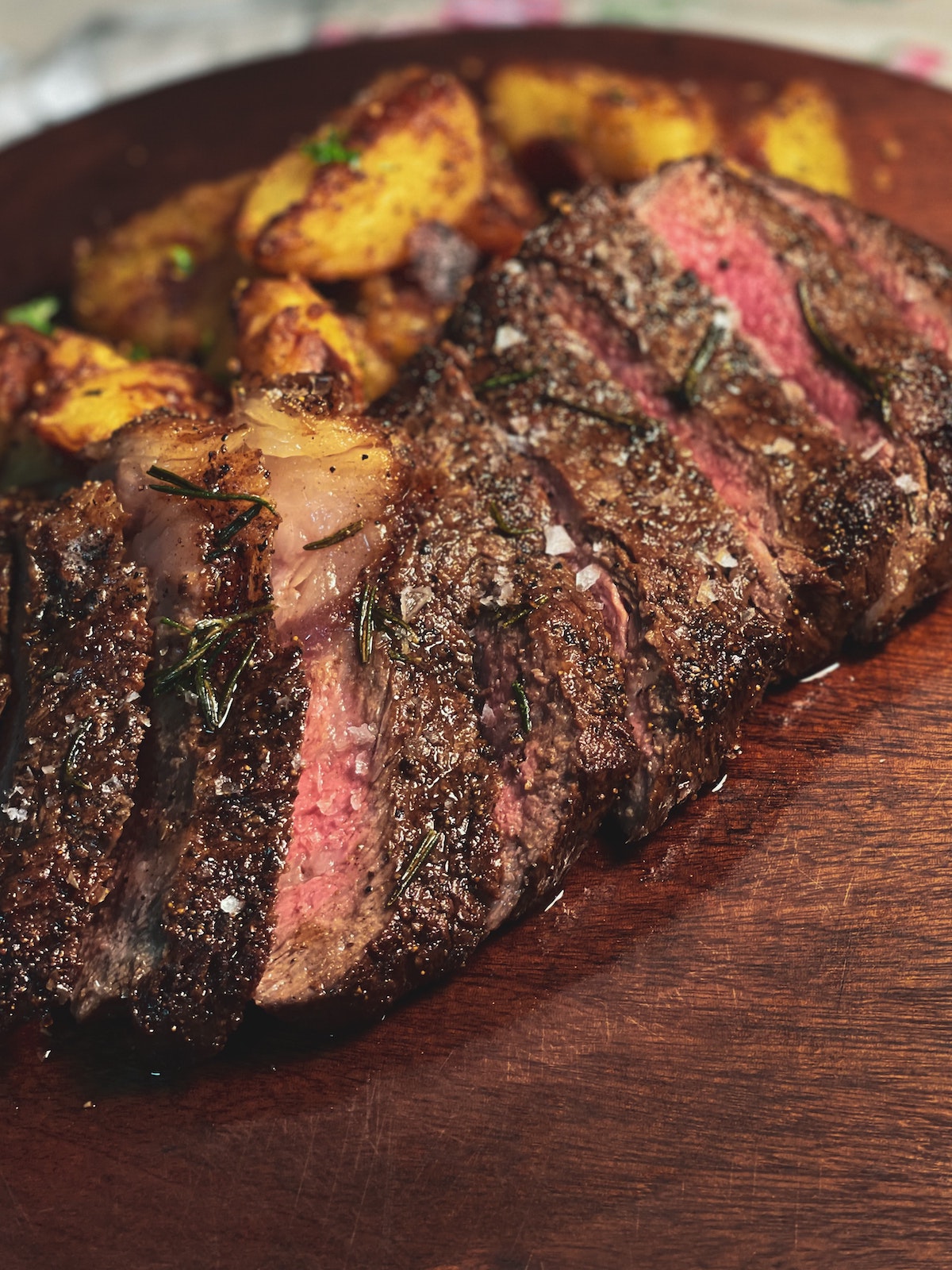
Although a bit touristy, this down-home trattoria has stayed true to its roots: serving simple, delicious traditional Tuscan cuisine with a lively atmosphere and lots of history. It’s the ideal spot to try a perfectly cooked bistecca alla fiorentina, also known as Fiorentina steak, one of the most famous dishes in the region.
With its communal tables and sharing-is-caring attitude, Il Latini may not the best choice if you’re planning a romantic, intimate dinner, but you are sure to leave with unforgettable dining memories and perhaps some new friends.
Trattoria da Burde
If you’re looking to get away from the crowds, Trattoria da Burde is your place. Located a way off the usual tourist trail, it’s the perfect spot to enjoy authentic Tuscan specialties while rubbing shoulders with locals. And let us assure you, in case you were wondering, this experience is absolutely worth going out of your way.
Founded in 1909, it is now run by two brothers who have kept the decor exactly the same. The dining area is elegant, yet homey with beautiful wooden bins and shelves packed with wine from all over the country. In fact, the wine list includes more than 500 references, so you are sure to find something to your liking.
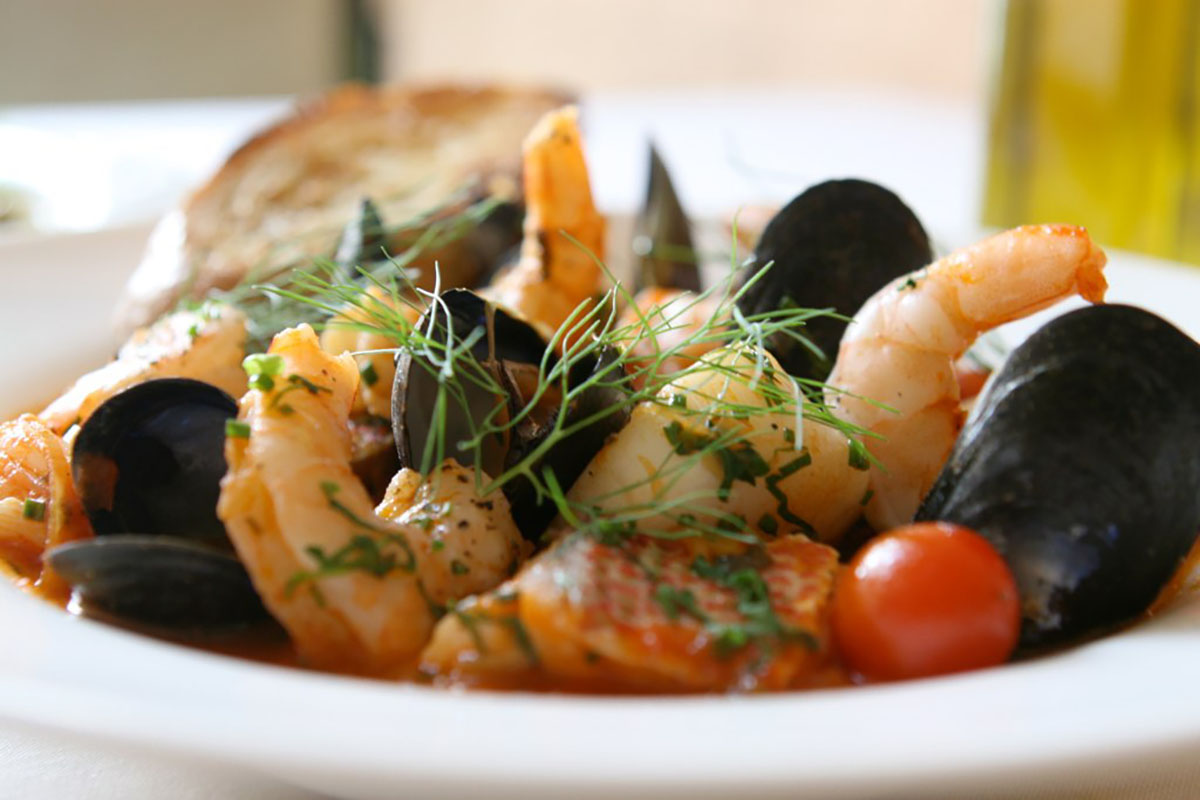
When it comes to the food, we recommend trying some lesser-known Tuscan dishes such as Livorno-style cod, cacciucco (fish stew), or acquacotta alla maremmana (a vegetable soup topped with an egg – comfort food at its finest).
Antico Ristorante Paoli
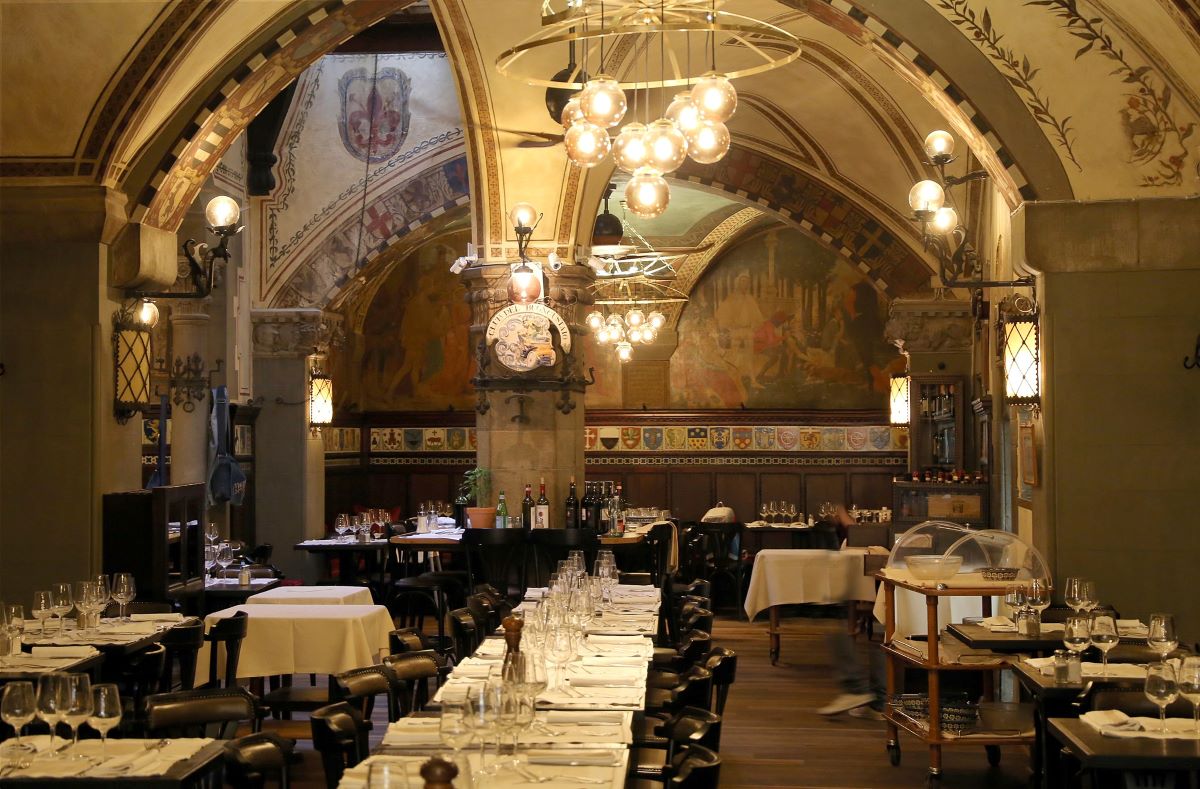
Antico Ristorante Paoli is known for being an important meeting point for some of Italy’s most renowned intellectuals. The Paoli guest book has more than 1000 signatures of the artists, writers, and poets who visited throughout the years. Leoncavallo, Puccini, Marinetti, and Pirandelloare just a few of the illustrious guests.
One of the oldest restaurants in Florence, Antico Ristorante Paoli originally opened in 1827. And though it went through several renovations, much of the original decor is still intact. Don’t miss the Decameron-inspired frescoes and Cantagalli ceramics!
The food here is proudly traditional, and the menu boasts all the typical Tuscan dishes. They are prepared with the freshest ingredients and with modern techniques.
Experience Florence’s Cuisine Like a Local
Want to experience how Tuscans really eat? Book a spot on our Florence Food & Wine Tour for an authentic food & wine journey through Florence’s Oltrarno.
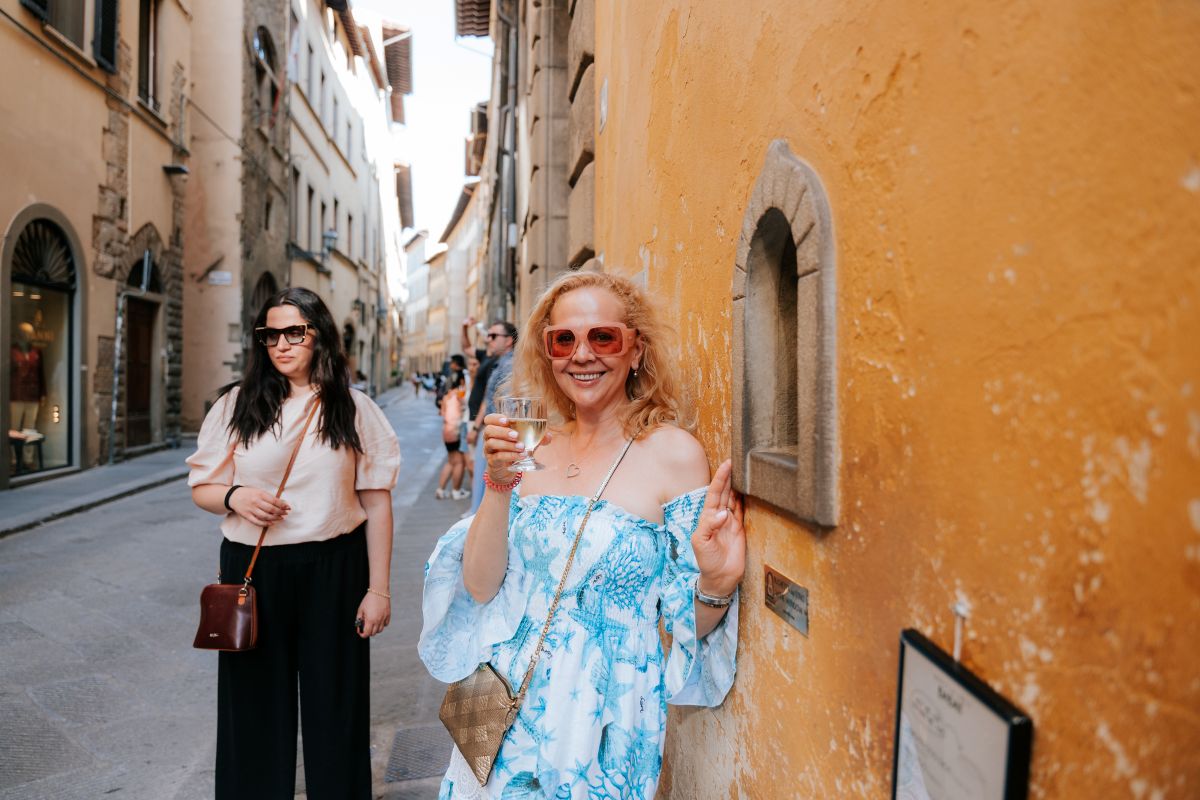
Sip prosecco through a centuries-old wine window, learn the secrets of the best negroni, and graze from aperitivo to dessert with 8+ dishes and 6 drinks. This is your chance to go deep into the city’s culinary soul, told through its flavors, its wines, and the warmth of a shared table..
Featured Review: Florence Food & Wine Tour
⭐⭐⭐⭐⭐ “The food and wine were excellent, but it was our charming guide Mara who made the experience unforgettable. We’ve taken food tours in numerous locations, and this was one of the best. Do come hungry!”
– Kelle
Oldest Restaurants in Florence FAQs
What is the oldest restaurant in Florence, Italy?
The oldest restaurant in Florence is generally considered Antico Ristorante Paoli, founded in 1827. Other historic restaurants like Buca Lapi and Trattoria da Burde also date back centuries and are part of Florence’s long-standing dining tradition.
Are there historic restaurants in Florence worth visiting?
Yes, Florence is home to several historic restaurants that are worth visiting for their authentic Tuscan cuisine and preserved interiors. These establishments offer a unique opportunity to experience traditional recipes in settings that have remained largely unchanged for generations.
What do you eat at the oldest restaurants in Florence?
At Florence’s oldest restaurants, you should try classic Tuscan dishes like bistecca alla fiorentina, ribollita, pappa al pomodoro, and roast meats. These recipes are staples of traditional Florentine cuisine and are often prepared using time-honored methods.
Do you need reservations for the oldest restaurants in Florence?
Yes, reservations are strongly recommended for Florence’s oldest restaurants. Popular historic spots often fill up quickly due to their reputation, limited seating, and appeal to both locals and visitors.
Are Florence’s oldest restaurants touristy or authentic?
Florence’s oldest restaurants can be both touristy and authentic. While some attract large numbers of visitors, many still maintain traditional cooking methods, family ownership, and a strong connection to local culinary culture.