Last Updated on May 19, 2026 by Emma Fajcz | Published: November 28, 2018
Take a wrong turn, and Lisbon will either surprise you or find a way to get you back on track. Described by poets and fadistas as a city with feminine energy, getting lost in Lisbon’s cobblestoned alleyways is a hide and seek game. At Devour, we’ve gathered our favorite 10 things to do to explore Lisbon off the beaten path. Some of them are in the guidebooks, but are at the bottom of most travelers’ “to visit” list. Some of them aren’t ever mentioned but, once you find them, you’ll own a memory of Lisbon that no one else will!

Table of Contents
1. The Other Fernando Pessoa Statue
Even people who’ve never heard of the Portuguese Modernist author sit for pictures next to his bronze statue outside Café A Brasileira. It’s like a rite of passage for all tourists visiting Chiado for the first time.
But, less than five minutes away, walk down the street that leads to Lisbon’s Opera House (Teatro de São Carlos) and you’ll find another statue of Fernando Pessoa with his head stuck inside a book. He was an avid reader and constantly studying, besides writing in Portuguese and English.
The location isn’t an accident either. Pessoa was born in that building on June 13, 1888, St. Anthony’s and Lisbon’s day.

2. The Alternative View to 25 de Abril Bridge
Known as the city of seven hills, Lisbon isn’t short on official and unofficial viewpoints (miradouros). It doesn’t take much more than a gentle inclination to take a peek at terracotta rooftops stretching down to the Tagus River. Bridge 25 de Abril, the one that so many call a Golden Gate lookalike, is not a bad sight either.
But how do you see it from the top without crossing the river to Cristo Rei in Almada? You go to the cemetery, the Cemitério dos Prazeres, to be more precise. The largest cemetery in Lisbon and a great place for enthusiasts of Baroque style funeral architecture is also a great spot to see the bridge from the top. It’s just a bus or tram ride away from the city center!

3. Riding Tram 24
Carris’ mustard yellow trams are the city’s most iconic symbol. And, yet, tourists seem to obsess with riding only the Lisbon tram 28. Tram 24, though, is a win from locals who fought to recover the old route from Cais do Sodré to Campolide after 23 years.
For now, tram 24 connects Campolide to Largo Camões, but there are plans to expand the route to its previous course. Before, to reach the Rato and Amoreiras neighborhoods from Lisbon’s center was a nuisance. It meant catching a Metro and switching lines or taking a bus and it wasn’t the most straightforward of trips. Now, locals reach their destinations faster, and visitors get to visit a part of the city they’d otherwise neglect.

4. An Art Museum That’s a Work of Art
Until his passing in 2018, Portuguese artist Júlio Pomar never ceased to create, to learn, and to admire younger generations. What started as a workshop grew into a museum, right across the street from the artist’s home.
The old warehouse housing the now Atelier Museu Júlio Pomar was remodelled by renowned architect Siza Vieira. The work and the building come together under the same line of thought of both creators: everything is done with a purpose. Hard to reach and without a single parking space, it’s a museum for the curious and explorers.

5. Tascas, tascas, tascas
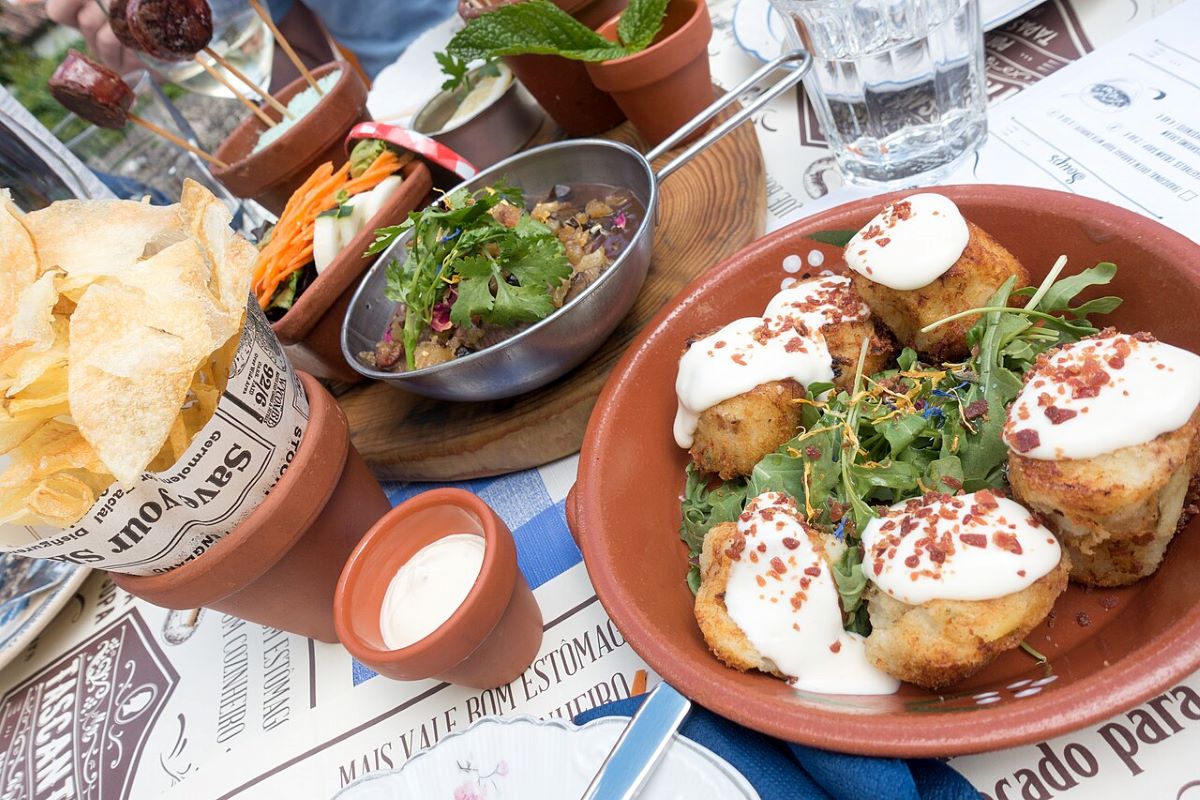
The best meals and the best petiscos in Lisbon are served at a tasca. Guidebooks mention a handful of them, usually the most popular, but we at Devour Lisbon think they don’t mention them enough.
Tascas are typically family-owned, serve huge portions, are affordable, and will most likely have a waiter (or the owner) concerned with your appetite or your health if you don’t finish your meal. It’s not a place for fussy eaters. Décor style can be described as all-over-the-place-ish with a touch of grandmother’s kitchen. The daily menu (and sometimes the check in the end) is scribbled on a paper towel. Always noisy and always crowded, tascas usually open for lunch only. Oh and there’s always room for one more at the table.
6. Outrageously Delicious Brigadeiros
Brigadeiro is probably Brazil’s most famous sweet treat outside the country. It’s a super simple concoction of condensed milk, powder chocolate and butter that ticks all the marks of a dessert in the shape of a tiny ball. Turn a corner in Lisbon, and the South American sweets are closer than you expect.
If resisting this sugary temptation wasn’t enough, a team of two sisters opened up a sweets shop selling only brigadeiros but with a Portuguese twist. Have a childhood dessert you’d like to see in a brigadeiro? Challenge them and they will make it. For the holidays, BrigaDoce has brigadeiros made with classic Portuguese Christmas sweets rabanadas and bolo rei.

7. Bacalhau à Brás Every Day
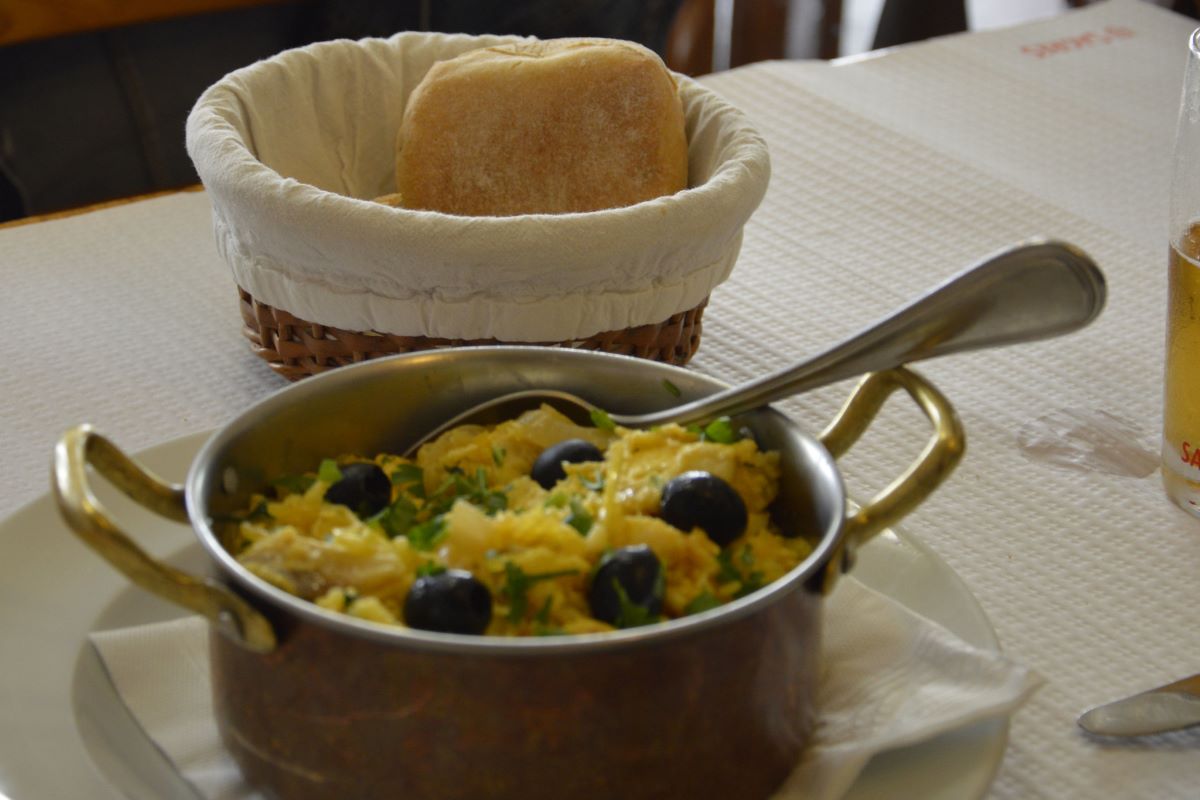
Ask a local what the best food in Lisbon is and they’ll probably include bacalhau à brás in a long list of options. When it comes to Portuguese food, the list is always long. But this poses two questions: where do you eat the best bacalhau à brás in town and when do you find it?
Well, the answer is the same to both: Varina da Madragoa. This hard-to-find tasca serves the best bacalhau á brás in Lisbon, every day of the week, even if it’s not on the daily specials menu. Don’t be shy. Just go ahead and ask for it. Beware that portions are big!
What’s the secret that makes it the best bacalhau à brás? If you ask nicely, the waiter will spill the beans.
8. Giant Ceramic Animals in a Garden
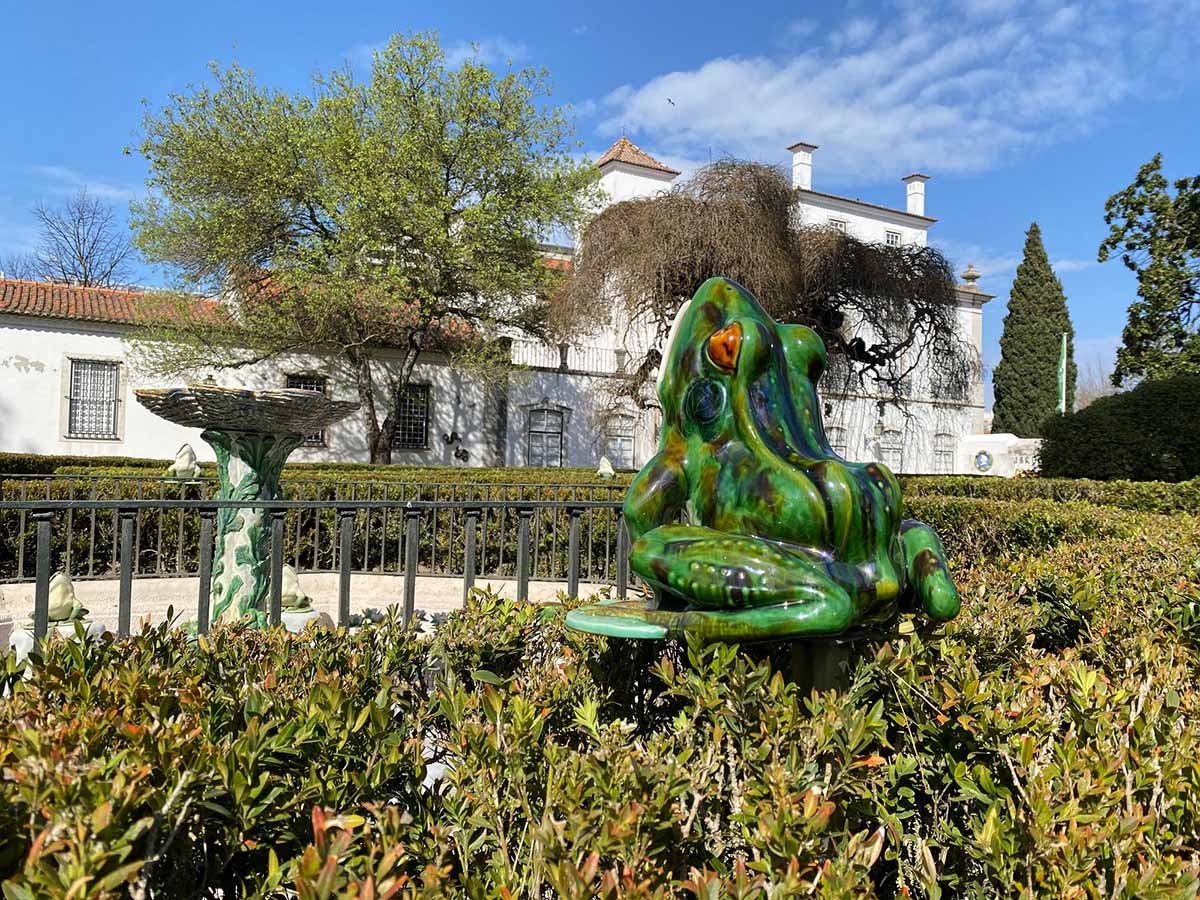
Bordallo Pinheiro was a 19th-century ceramist known for its naturalist and realist pieces. In the present time, the factory with his name is also a well-known brand that still produces those iconic pieces. Dishware shaped as cabbage leaves is common in many Portuguese households.
But, at Museu de Lisboa – Palácio Pimenta, giant ceramic creatures took over the garden named after the artist. Empty fountains house toads and crabs, snakes hide in the bushes and climb walls, and a scared cat stands on a wall as a flock of swallows land on the chimney.
Insider’s Tip: Inside the museum, if you have time for a detour from this unusual garden, visit the replica of Lisbon before the 1755 earthquake.
9. A Bookstore for Travelers
Most travels start with a book, and not necessarily a guidebook. In Lisbon, if you want to get lost in the world without leaving the city or if you’re looking for a specific travel book, there’s only one place to go. Palavra de Viajante is a niche bookstore that sells only books and some merchandise related to travel.
The trip begins the minute you step through the door because the store has one designated area for each continent. It’s not only easier to find what you’re looking for, but it also allows you to fall in love with one part of the world at a time.

10. The Oldest House in Alfama
The reason why Lisboetas talk about the 1755 earthquake so much is that it completely changed the course of history–and of Lisbon, as we know it. After the tragedy, the city and its residents learned to reinvent themselves, and they’ve been doing so since then. Eager to find a piece of that “old” Lisbon, tourists often find themselves in love with the viewpoints, narrow streets, patios, and restaurants in Alfama. Here, in the city’s oldest neighborhood, they can hear Lisbon’s heartbeat.
Most of Alfama survived the earthquake intact but over the years, those buildings were replaced with newer constructions as the city grew. Except for one: Number 22 of Rua dos Cegos is over 500 years old, and is officially the oldest house in Alfama and Lisbon.

Taste Lisbon’s Amazing Food With Us!
On our Ultimate Lisbon Food Tour, you’ll spend your morning uncovering the soul of Lisbon’s historic neighborhoods (Baixa, Chiado, and Cais do Sodré) through its most cherished food traditions. With an intimate small group, you’ll visit century-old establishments trusted by generations of Lisboetas, taste dishes that define Portuguese culture, and savor pastries beloved across the globe (custard tarts, anyone?).
Along the way, your expert guide will share stories behind the recipes and the artisans who bring them to life, giving you the confidence to eat like a local for the rest of your stay.

Featured Review: Ultimate Lisbon Food Tour
⭐⭐⭐⭐⭐ “One of our best excursions while in Portugal. A great variety of food to experience. Helena was simply awesome! Our favorite guide on our trip. She had great places to eat (some we went back to) and the history she added to the experience was fantastic. It was so interesting I purchased a book on the history of Lisbon.”
– Bill
Lisbon Off the Beaten Path FAQs
What are the best hidden gems in Lisbon?
Some of Lisbon’s best hidden gems include lesser-known miradouros (scenic lookouts), quiet gardens, local markets, tucked-away churches, and neighborhoods like Madragoa and Campo de Ourique. These places offer a more local and less crowded experience than the city’s biggest tourist attractions.
Is Lisbon worth exploring beyond the main tourist attractions?
Yes, Lisbon becomes even more rewarding once you venture beyond famous attractions like Tram 28 and Belém. Exploring quieter neighborhoods, finding hidden vistas, and tasting your way through local cafés gives visitors a deeper sense of Lisbon’s culture and everyday life.
What are the best non-touristy neighborhoods in Lisbon?
Neighborhoods like Madragoa, Príncipe Real, Campo de Ourique, and parts of Benfica are often recommended for travelers seeking a more local atmosphere. These areas are known for traditional restaurants, independent shops, and fewer crowds compared to central tourist zones.
Where can you find secret viewpoints in Lisbon?
Beyond the well-known miradouros (scenic lookouts), visitors can find quieter viewpoints at places like Cemitério dos Prazeres, Miradouro do Torel, and the district of Penha de França. These spots offer panoramic views of Lisbon without the heavy crowds found at more popular overlooks.
How do you explore Lisbon like a local?
To experience Lisbon like a local, spend time wandering residential neighborhoods, eating at traditional tascas, visiting neighborhood markets, and slowing down at cafés instead of rushing between major landmarks. Many of Lisbon’s best experiences come from exploring on foot and taking unexpected turns through the city’s winding streets.