Last Updated on May 19, 2026 by Emma Fajcz | Published: November 25, 2018
Ready to discover the best petiscos in Lisbon? From fresh octopus salad to garlicky clams, we can’t get enough of Portuguese petiscos! These small plates are delicious starters to a meal that offer an enticing snapshot of Portuguese cuisine. Gather a group of friends, order some beers, and pick your favorite petiscos from this list of the 10 best petiscos in Lisbon, and we’ll join you there!

Table of Contents
What Are Petiscos, Exactly?
Before we get into the details, what exactly are petiscos? For starters (pun intended), they’re not quite the same as Spanish tapas. Both words describe small dishes that are often shared, but each one represents a specific concept within its country’s cuisine.
In Portugal, petiscos are a whole experience. There’s even a verb, petiscar, that can refer to snacking, grazing, or simply savoring something special. Literally speaking, petiscos are snacks or appetizers usually served alongside drinks, at parties, before meals, or sometimes as a whole meal on their own.
Let’s jump into our top 10 favorite petiscos in Lisbon!
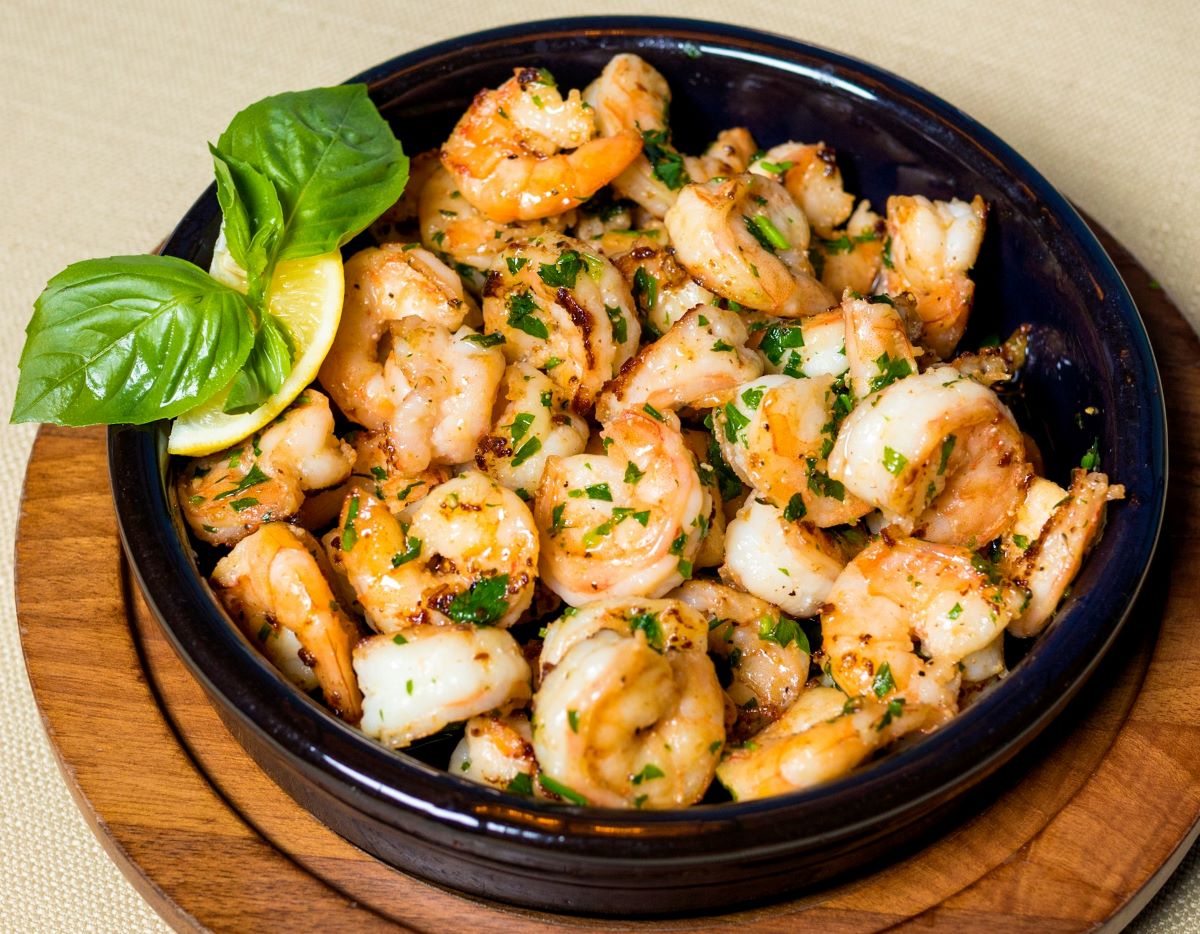
Salada de Polvo
Summer in Portugal always calls for salada de polvo (octopus salad). First-timers might be put off by its appearance, but trust us: this is one of the best seafood dishes to try in Lisbon!
The main ingredients of this delicious salad are octopus, tomato, onion, and olive oil. Some people also like to add potatoes to the mix, but it’s not as common. One thing an octopus salad must have is fresh herbs—usually coriander or parsley. Most restaurants serve it with bread, which is essential to soak up every last drop of sauce at the end.
📍 Where to Try It: Try the traditional version at Quiosque de São Paulo (Praça São Paulo, 1200-194), one of our favorite kiosks in Lisbon, or go to Sol e Pesca (R. Nova do Carvalho 44, 1200-019) for a taste of canned octopus salad (it’s better than it sounds).
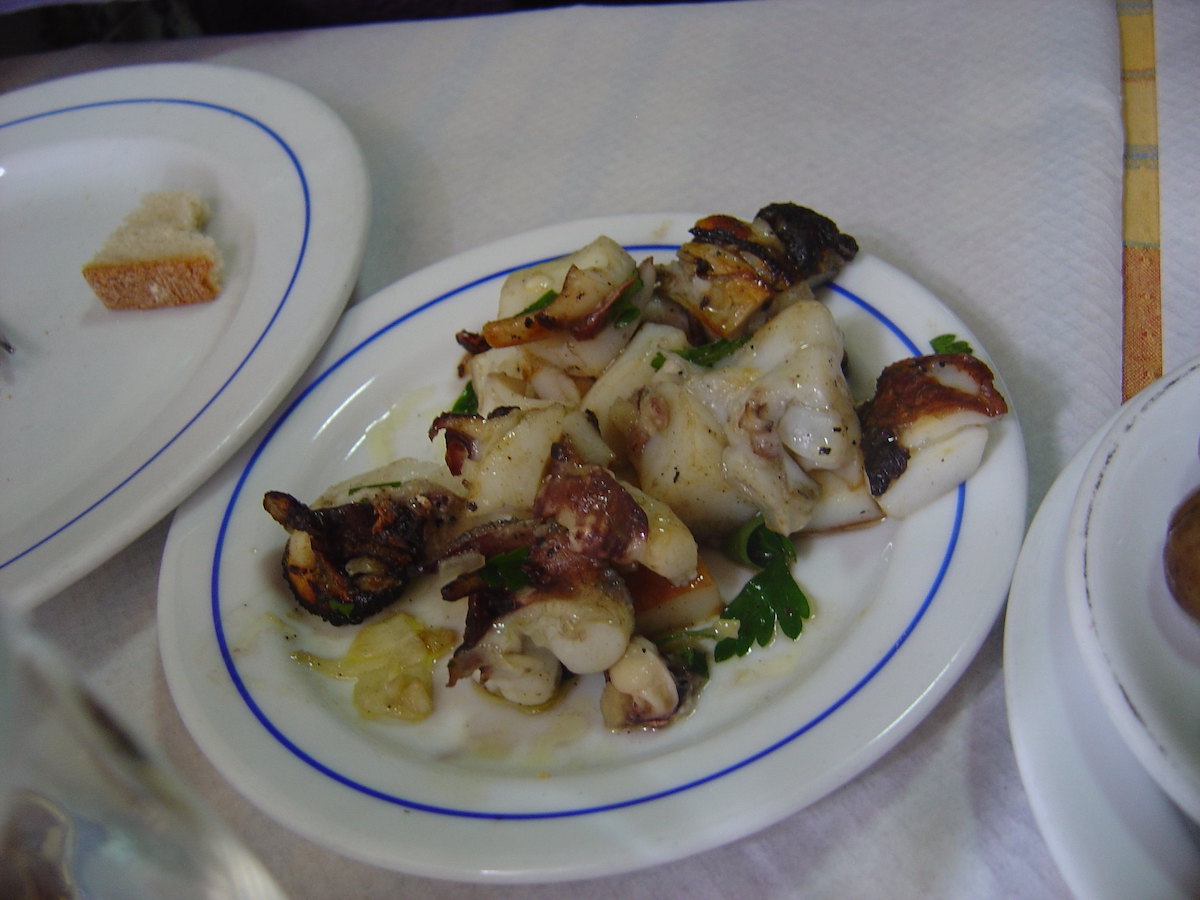
Ameijôas à Bulhão Pato
You’ll find clams in many traditional Portuguese dishes, like carne de porco à alentejana (pork with clams) and cataplana (seafood stew). But nothing is more iconic than the classic amêijoas à Bulhão Pato (named after the Portuguese poet Raimundo António de Bulhão Pato).
The simplicity of this dish is what really makes it shine. Fresh clams are cooked with garlic, olive oil, and white wine, then topped with cilantro and a squeeze of lemon juice. The best way to eat them is straight from the pot—accompanied by plenty of bread, just like salada de polvo.
The best clams are served straight from the pot. If you go to a great seafood restaurant, you’ll quite likely see amêijoas in every table.
📍 Where to Find It: You can find this dish in most seafood restaurants in the starters section. We recommend the ones at Cervejaria Ramiro or Cervejaria Sem Vergonha (Tv. de Santa Quitéria, 38 D, 1200-762).
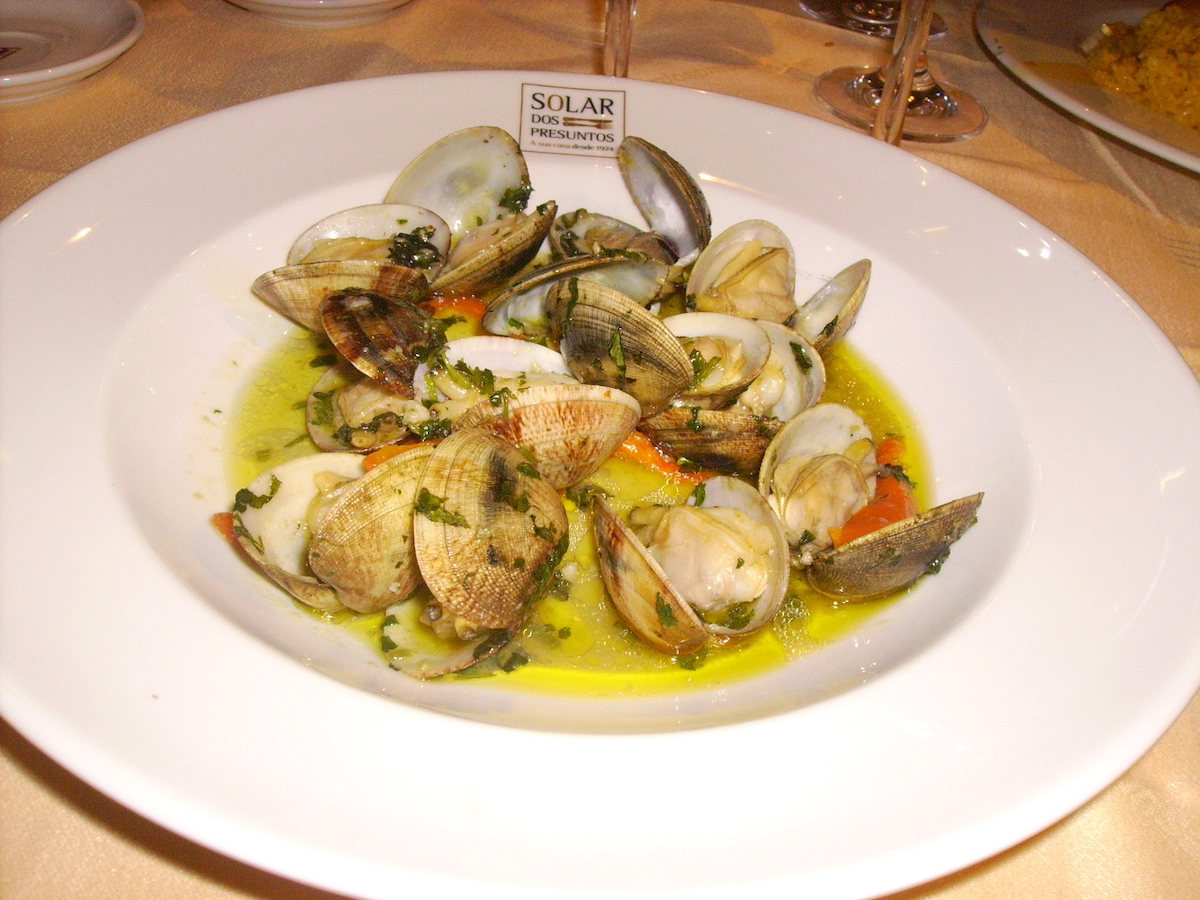
Peixinhos da horta
The name of this petisco translates to “little fish from the garden”—but there’s nothing fishy about it! This is a must-try for vegetarians in Lisbon, and one of the best traditional plant-based Portuguese dishes.
Peixinhos da horta are battered and fried green beans (and occasionally other vegetables). The taste and texture call to mind tempura—and that’s no coincidence. Japanese tempura actually has its roots in this dish, which Portuguese sailors introduced to Japan in the 16th century.
📍 Where to Find It: You’ll find them in most places as a great vegetarian option. Tapa Bucho and Café do Paço (Paço da Rainha, 62, 1150-000) serve some of the best peixinhos da horta in Lisbon. You can also find a fantastic version at the vegan restaurant A Minha Avó (Av. António Augusto de Aguiar, 74B, 1050-016).
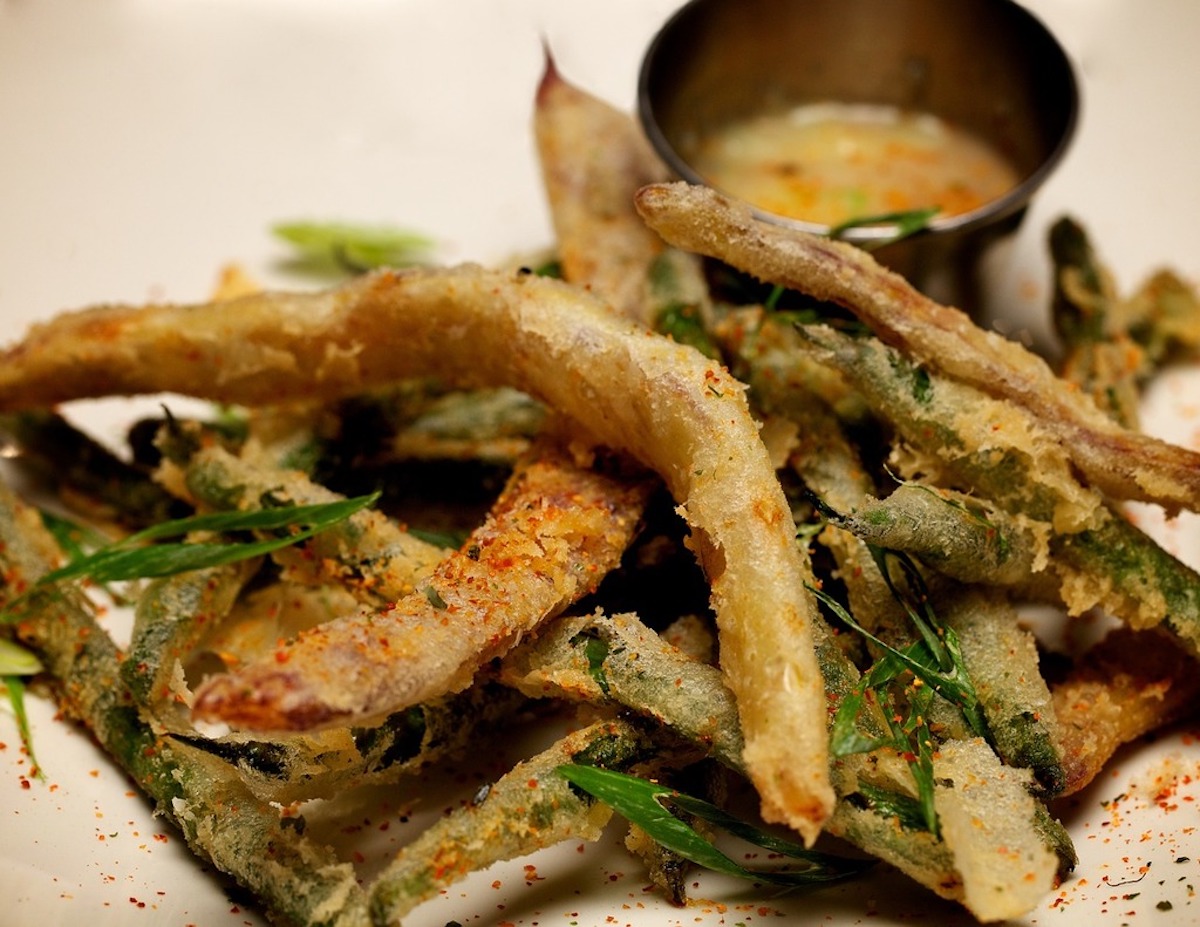
Pica-Pau
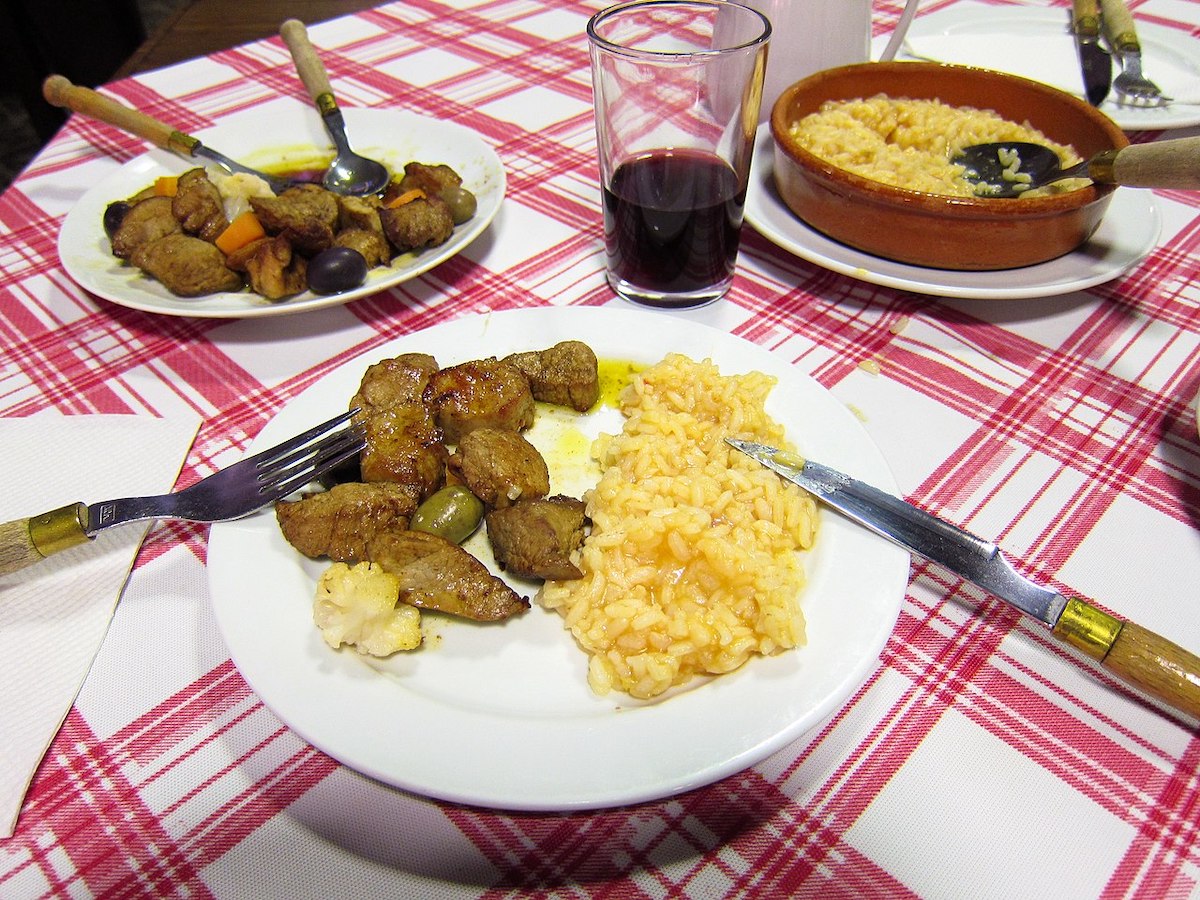
Pica-pau is definitely one of the best petiscos in Lisbon and all of Portugal. It consists of small pieces of pork or beef sautéed with garlic, bay leaves, and olive oil. Other common additions include pickles and mustard; every restaurant has its own take on the recipe.
The word pica-pau means “woodpecker” in Portuguese. Supposedly, the dish got its name from the way you eat it: by “pecking” at the plate with a fork or toothpick to skewer each bite.
📍 Where to Find It: Our favorite pica-pau can be found at Atalho Real, where it’s served with bolo do caco (one of the many types of Portuguese bread, and originates from Madeira). We also love the one at Sala de Corte, which is a bit pricier but definitely worth it for the quality of the meat.
Caracóis
Caracóis (snails) are a summer treat in Lisbon. If you visit during fall, winter, or spring, you’re not likely to find them on the menu… but once the heat hits, signs pop up everywhere with an iconic phrase announcing their presence: há caracóis!
In Portugal, snails are traditionally cooked with onion, garlic, oregano, and olive oil (not butter, like in France). They’re definitely an acquired taste, and best enjoyed with a cold beer or two on a sidewalk terrace. To extract them from their shells, use the toothpicks they’re served with.
Curious when to enjoy them? The best time is between May and August.
📍Where to Find Them: We recommend the ones at Júlio dos Caracóis (R. do Vale Formoso de Cima 140 B, 1950-273) and Pomar de Alvalade.

Chouriço Assado
You might have heard of chorizo, but what about chouriço? This Portuguese specialty is a pork sausage with plenty of paprika and garlic. Its bright red color distinguishes it from other enchidos (cured meats), and it’s a common sight everywhere from traditional shops to tascas.
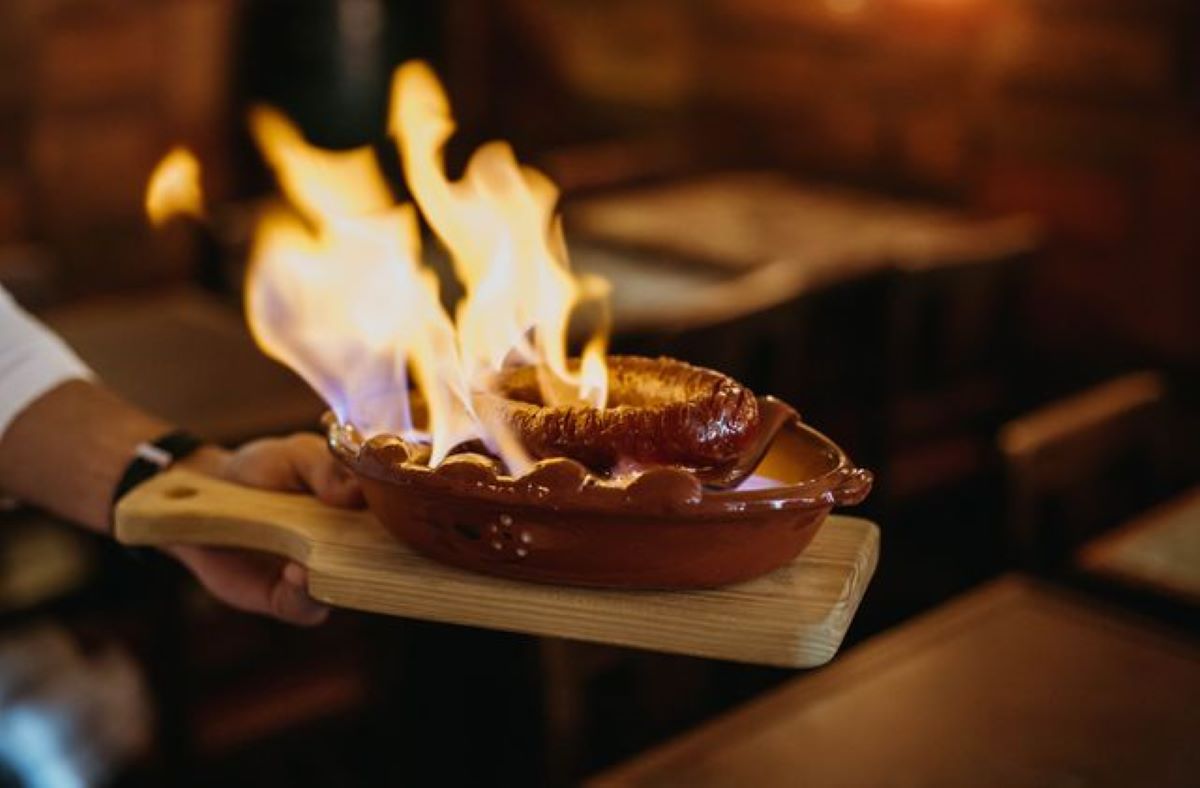
The most typical—and exciting—version is chouriço assado: a whole sausage that’s placed atop a clay dish and set on fire right before your eyes. It’s usually sliced part of the way through beforehand, so once the flames die down you can easily break off small pieces to eat.
📍 Where to Find It: We highly recommend checking out Tasca do Chico (Rua Diário de Notícias, 39 1200-141), as it’s a classic spot in Bairro Alto for chouriço assado and nightly fado performances.
Alheira
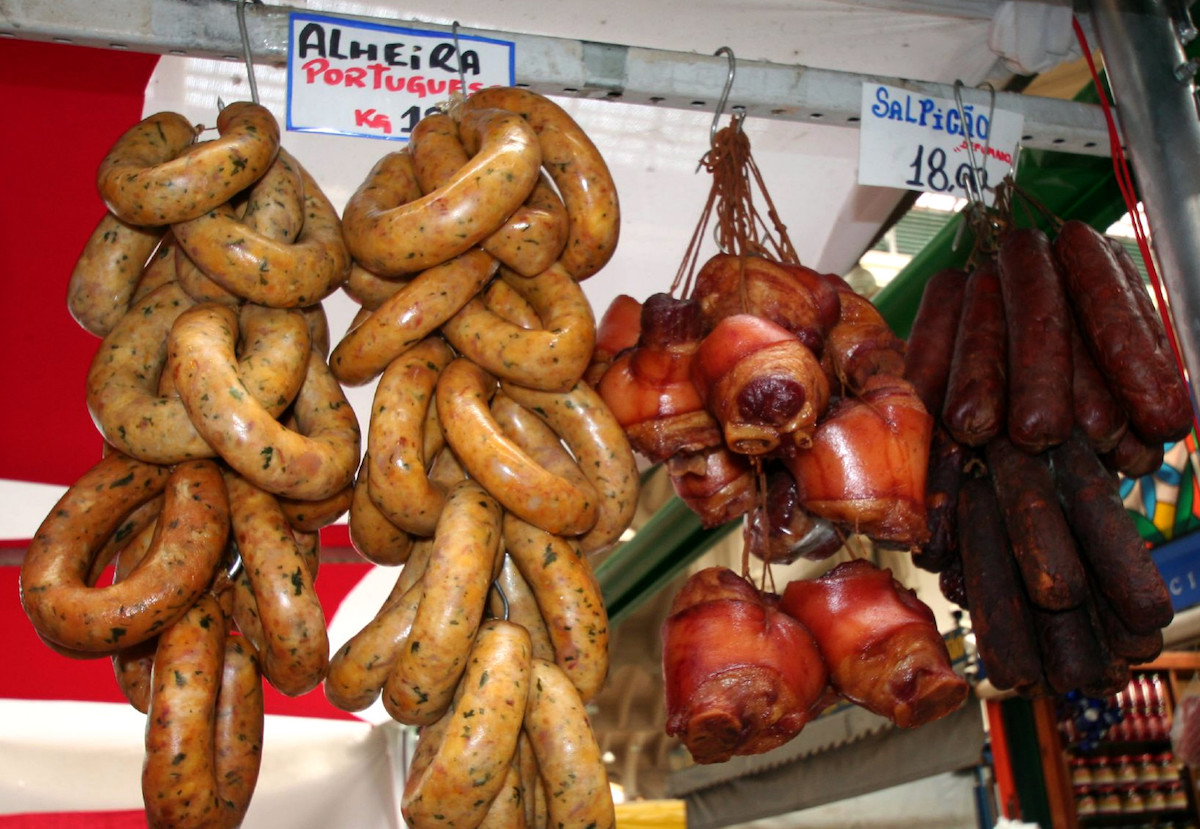
Alheira looks somewhat like chouriço at first glance (though it’s more brown than red), and there’s a fascinating reason why. It was invented during the Portuguese Inquisition by criptojudeus (Jews who pretended to convert to Catholicism to avoid persecution) as a clever way to convince people that they were no longer Jewish.
Alheira originally contained poultry, game meat, breadcrumbs, and garlic, but no pork—which its creators didn’t eat for religious reasons—but looked like a regular sausage. Today, it’s usually made with chicken and turkey (and sometimes pork too), and roasted or grilled to perfection. Its unique taste and texture will win you over right away.
📍 Where to Find It: At Tasquinha do Lagarto (R. de Campolide 258), you can try a traditional version of alheira made with game meat and served with rice, french fries, and a fried egg. It’s a bit outside of the main tourist area, but worth the trip for the authentic dishes and fantastic prices.
Salgados
This is actually a whole category of petiscos in and of itself. Salgados are savory fried snacks that can be eaten in a few bites—no fork needed!
Common examples include pastéis de bacalhau (salt cod croquettes, also called bolinhos de bacalhau), pataniscas (salt cod fritters), and rissóis (breaded and fried pastries filled with shrimp or meat). Included in the salgados category, you’ll find some of the best petiscos in Lisbon. Make sure to try as many as you can, especially if you like breaded and fried food.
You can get salgados at pretty much any bar or pastry shop, as well as from quiosques (kiosks) and street vendors. They make for the perfect snack to hold you over until your next meal or a bite-sized appetizer before the main event. In some restaurants, you can find them as entrées.
📍 Where to Find Them: Versailles isn’t just one of the best places to try custard tarts in Lisbon—it’s also legendary for its croquetes and other salgados like rissóis and pastéis de bacalhau.

Tremoços
This is probably the simplest petisco on this list, but it’s still one of the best petiscos in Lisbon. Tremoços, or lupin beans, are yellow legumes that are often served as a snack. You might get a little bowl of them when you order a beer or a glass of wine.
Tremoços are pre-cooked and preserved with plenty of salt. Eat them one at a time; you need to remove the soft outer shell before you start chewing. Most places will give you an empty dish for the shells.
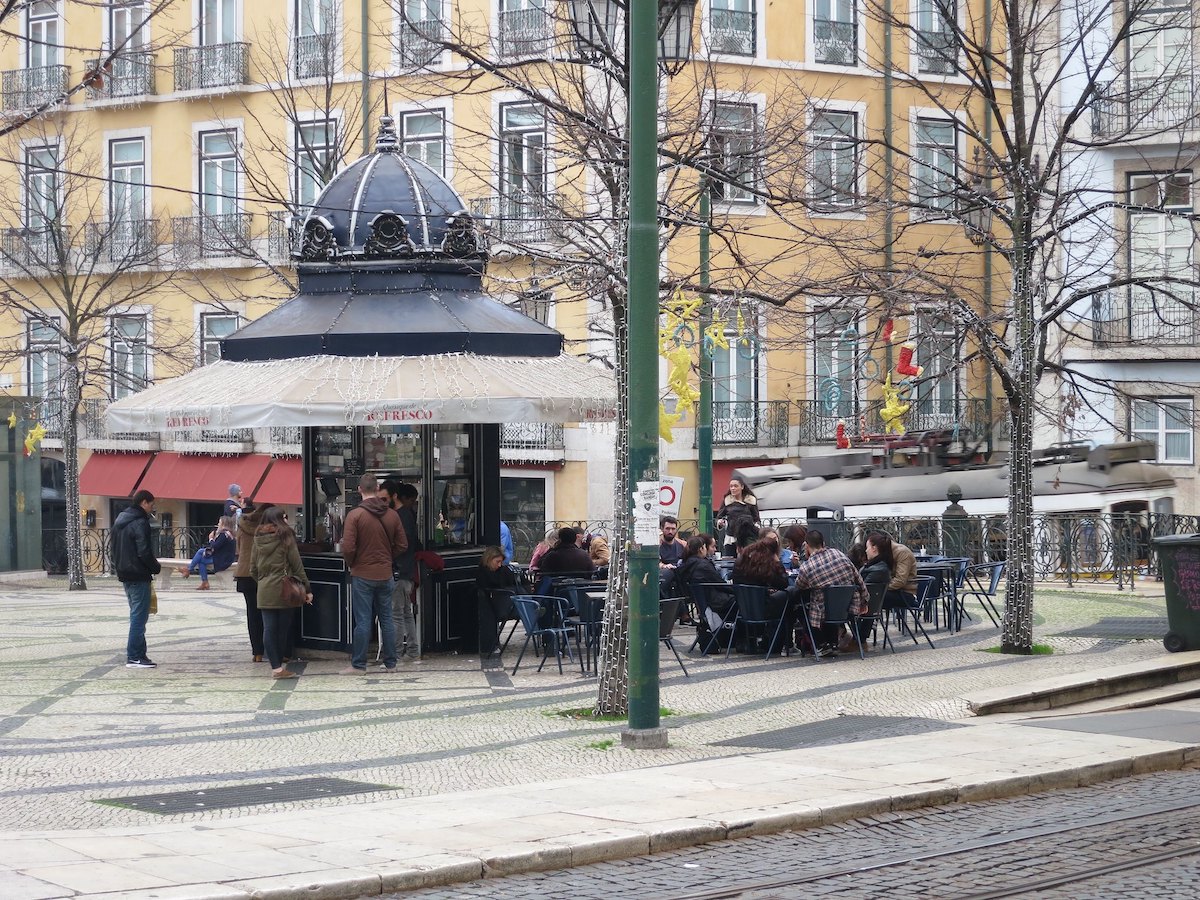
📍 Where to Find Them: Hit up one of Lisbon’s lovely quiosques, which are located all over the city in squares and parks. They’re the perfect places to enjoy a drink in the fresh air—and there’s a very high chance that they’ll have tremoços.
Queijo
We could go on and on about Portuguese cheese (and believe us, we have). But suffice it to say that queijo (Portuguese cheese) is one of the most basic and beloved petiscos in Lisbon, whether it’s slices of nutty queijo de São Jorge, crowd-pleasing queijo de Nisa, or any other locally made specialty.
Queijo is often part of couvert: an array of small appetizers that are brought out before you order at traditional restaurants (you’ll pay for whatever you eat). It might be accompanied by bread, butter, olives, and/or pâté. On their own, these little treats might not seem like anything special, but together they represent the perfection of Portuguese petiscos in their simplest form.
📍 Where to Find It: Any traditional Portuguese tasca will have cheese on the menu; if the waiter doesn’t bring it out, just order some. For something a bit fancier, order a cheese board from Taberna at Bairro do Avillez (or build your own from over a dozen different options).

Taste Your Way Through Lisbon FAQs
Want to upgrade your experience by sampling petiscos alongside a local guide? Join our Bairro Alto Evening Food & Wine Tour for a curated selection of the best bites Lisbon has to offer. You’ll also have the chance to discover and try the drinks locals love, including an outstanding selection of regional wines.

Featured Review: Best of Bairro Alto Food Tour
⭐⭐⭐⭐⭐ “I loved my food tour with Anastasia. She gave us excellent explanations about the dishes we tasted, but also about the history of the city. I would never have been able to find the places where she brought us by herself, and learn all this information. Thank you very much Anastasia, I highly recommend her.”
– Maude
Petiscos in Lisbon FAQ
What is the difference between petiscos and tapas?
While petiscos and tapas are both small plates, petiscos tend to be heartier and more rustic, often with a focus on seafood, meats, and regional Portuguese flavors. They are typically served at casual eateries known as tascas.
Where can I find the best petiscos in Lisbon?
Some of the best petiscos in Lisbon can be found in traditional tascas, contemporary petiscarias, and food markets. Look for places with a lively atmosphere and a menu featuring classics like bacalhau (salt cod), chouriço, and pica-pau.
Do petiscos come with bread?
Yes, many petiscos are served with bread, especially those with sauces or spreads like octopus salad or queijo da serra (Portuguese cheese). Some restaurants may charge a small fee for bread and olives, which is customary in Portugal.
What drinks pair well with petiscos?
Petiscos pair well with local wines like Vinho Verde, a light and slightly fizzy white wine, or a robust red from the Alentejo region. Portuguese beer and port tonic (a refreshing cocktail made with white port and tonic water) are also great choices.
How much do petiscos typically cost?
Prices vary, but most petiscos range from €3 to €10 per dish. More elaborate seafood options may be slightly higher. Sharing a few petiscos with drinks is an affordable and delicious way to dine in Lisbon.