Last Updated on July 21, 2026 by Emma Fajcz | Published: July 17, 2024
Mention “Rioja” to many people, and luscious red wine is the first thing they may think of. La Rioja, a region located in northeastern Spain, produces some of the best wine on the planet, and the 500 wineries here is reason enough to come. But there’s much more to this diminutive region than great wine! La Rioja is crammed with medieval hill towns, ancient monasteries, dinosaur fossils, and a capital city that is teeming with energy and great food. Here are 5 reasons why you should go to La Rioja.
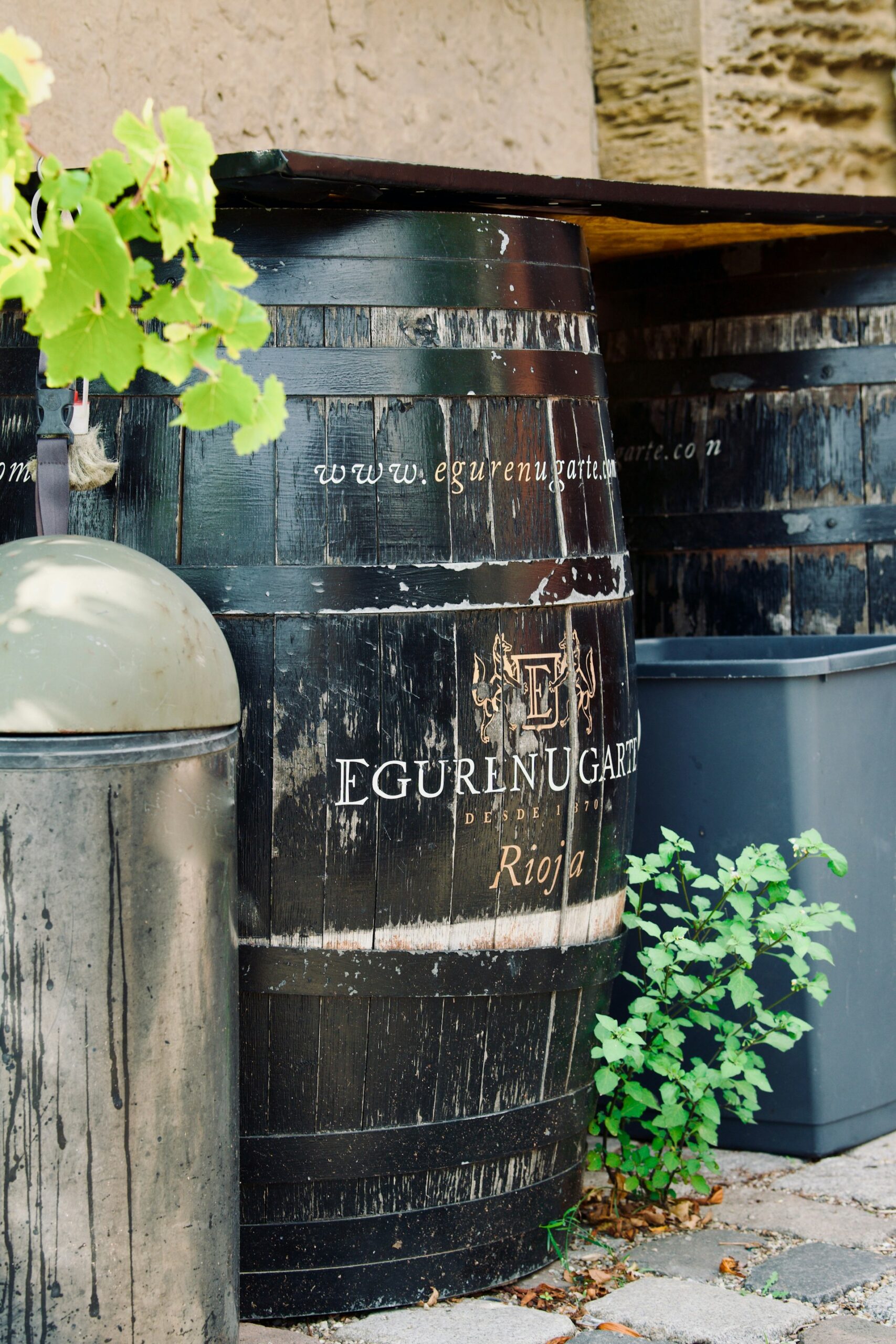
Here’s everything you need to know about Spanish wine before you go to La Rioja!
Go on a Pinchos Crawl in Logroño
Logroño is the capital of La Rioja, and it’s a seriously off-the-radar gem of a city. About 150,000 people live here and they love to eat good food and drink affordable high-quality wine. So, it’s a good thing that the city has both.
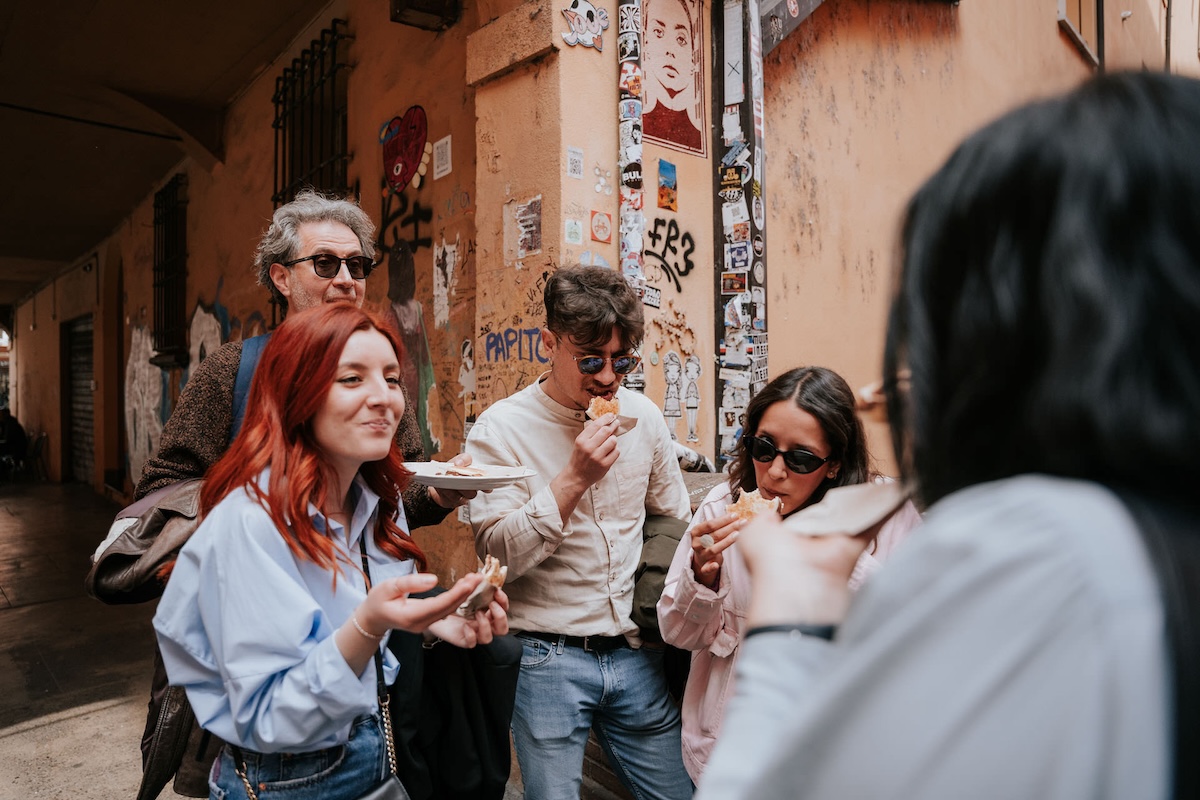
Point yourself to the medieval center of town where you’ll find two streets, Calle de Laurel and Calle San Juan, both about the length of a football field. Calle de Laurel is the more raucous of the two. But whatever the case, both of these narrow alleyways are lined with diminutive tapas bars where you can pop in for a pincho (the local lingo for “tapa”) and drink a glass of locally produced wine for pocket change.
Some bars are known for one thing—patatas bravas, garlicky mushrooms, or a pig ear sandwich, for example—and some bars have countertops crammed with various delicious-looking small plates.
When you’re full and need some non-eating activities, Logroño also boasts a lovely cathedral with a painting attributed to Michelangelo, a museum dedicated to the history of La Rioja, and a network of narrow lanes to get lost in.
Discover the Origins of the Spanish Language
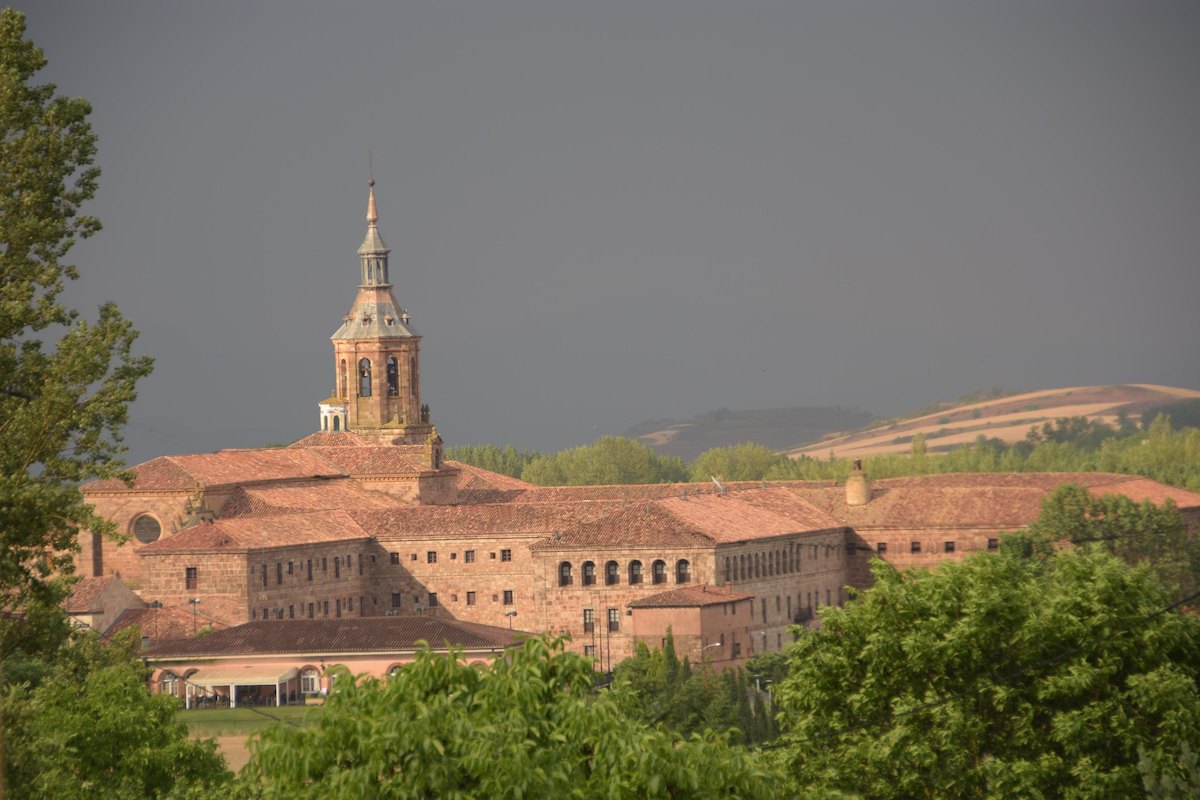
There are two big reasons to visit the small town of San Millán de la Cogolla: Yuso and Suso. These two twin monasteries, one sitting slightly higher on a mountain than the other, are two centuries-old monasteries.
It was here, at Suso (which means “up”), where the hermit San Millán, also known as Saint Aemilian, lived in the sixth century. Construction of the monastery began in the same century, and is the spot where the first written texts in the Spanish language were produced.
Yuso, which means “below,” is a “newer” monastery from the 11th century. The library here holds 10,000 books, many of which were the first books written in Spanish. Visitors today can take tours of the monasteries. Just the medieval aesthetics alone are worth the visit.
Get Up Close and Personal with Dinosaurs
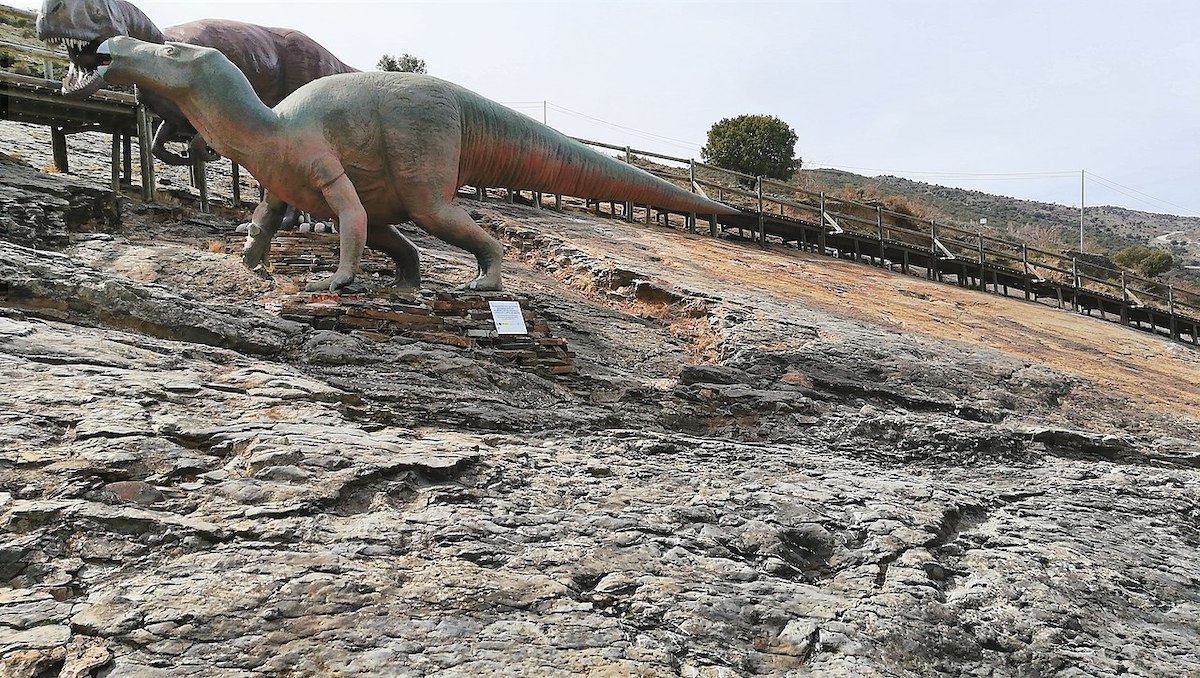
Dinosaurs once heavily roamed the area that is now La Rioja. In fact, there’s even a dinosaur route that extends throughout the region and into neighboring Aragon.
But, if you’re going to visit one dinosaur-themed spot, make it this one: about 40 miles south of Logroño is El Barranco Perdido, otherwise known as The Lost Canyon. This dinosaur theme park in the town of Enciso has actual dinosaur footprints that you can gawk at, as well as caves with dinosaur bones.
Get Medieval
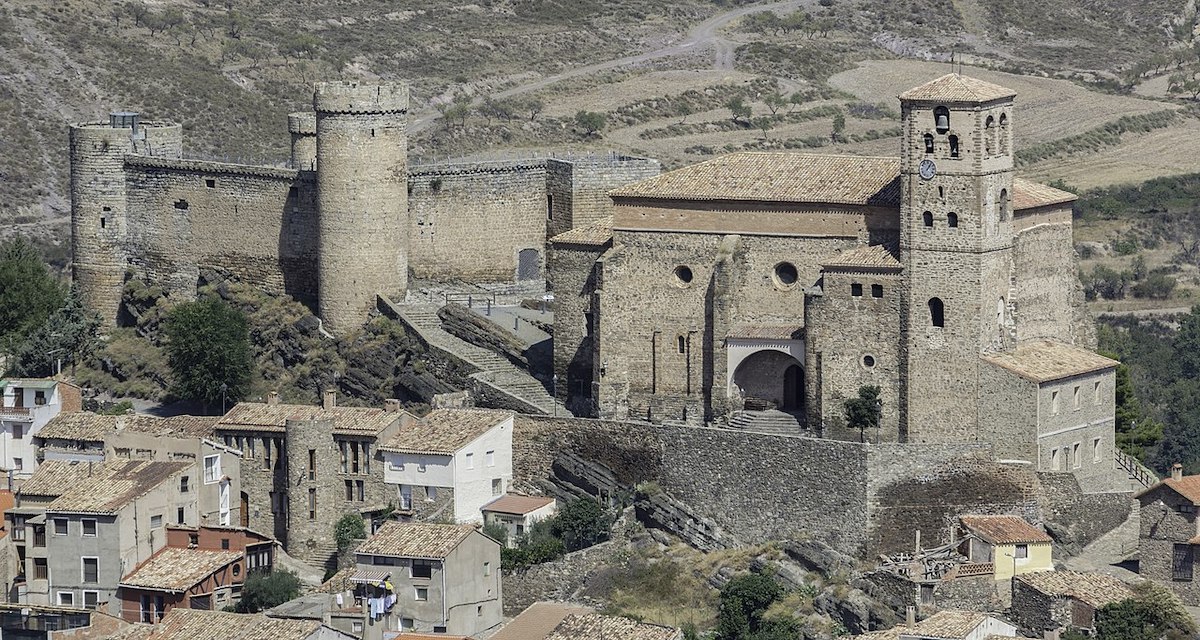
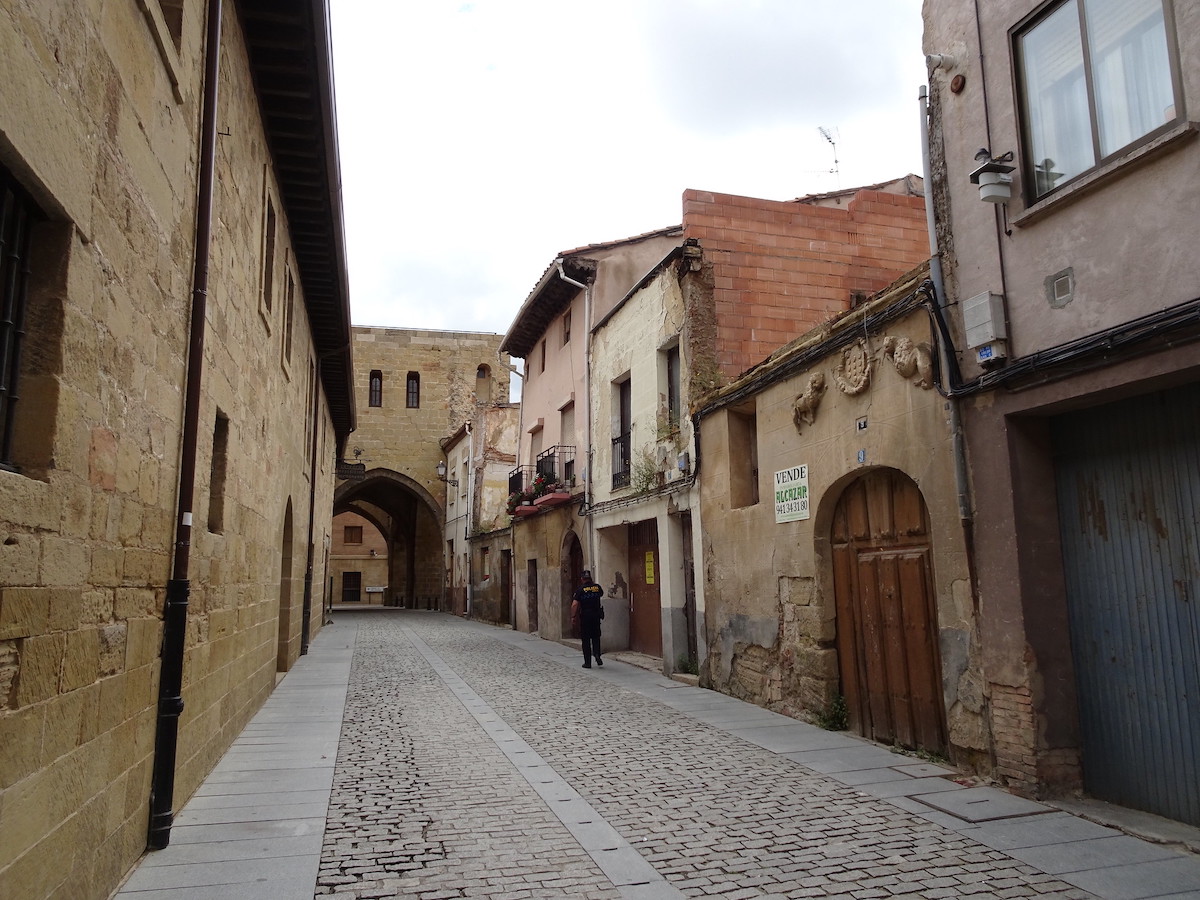
La Rioja is home to several lovely medieval villages and towns. If you have access to a car, you can spend a day or two cruising the curving roads of the region, and then strolling through some of these charming spots. A few places that should definitely be on your itinerary include:
Ezcaray
Located in Rioja Alta, this small town has a ski resort, a gorgeous 16th-century church (Santa María la Mayor), and an excellent Michelin two-star restaurant called Echaurren.
Briones
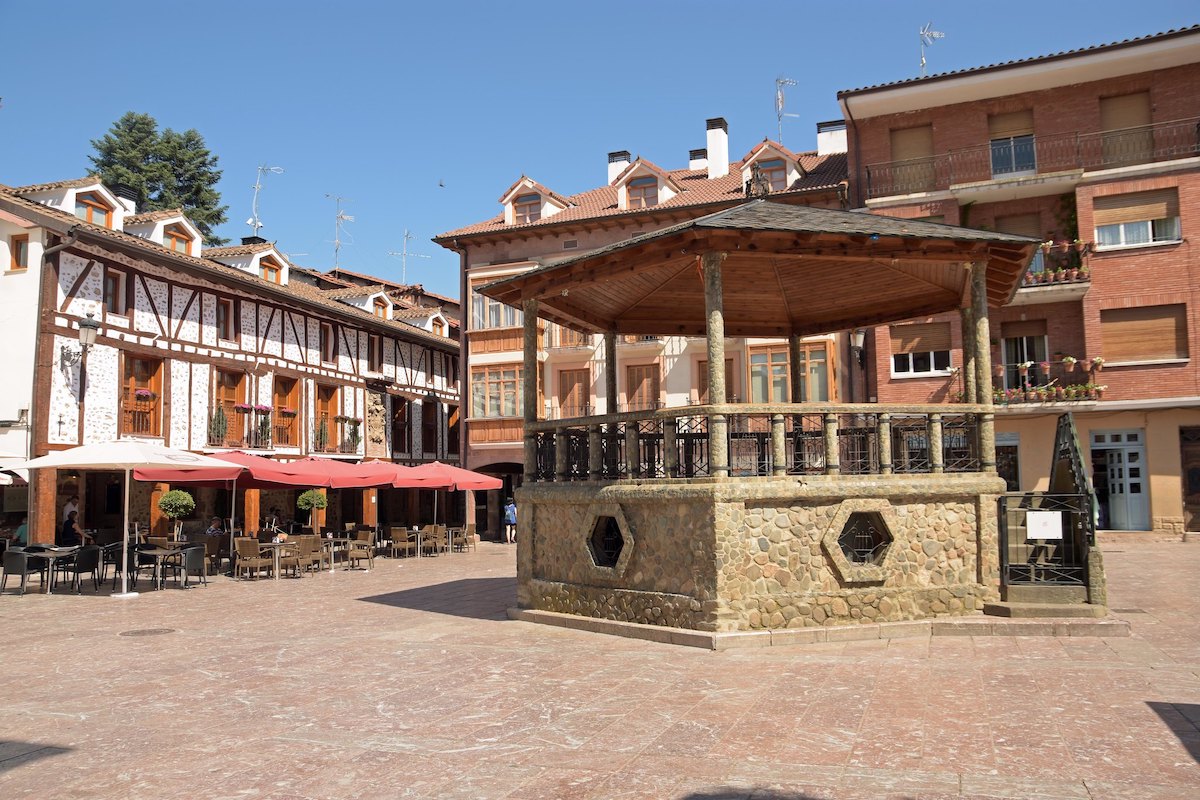
A gorgeous hill town about 20 miles west of Logroño, Briones is made up of a few centuries-old churches and palaces, as well as a network of narrow cobblestone streets that are fun to get lost in. It’s also near the Vivanco Museum of Wine Culture.
Santo Domingo de la Calzada
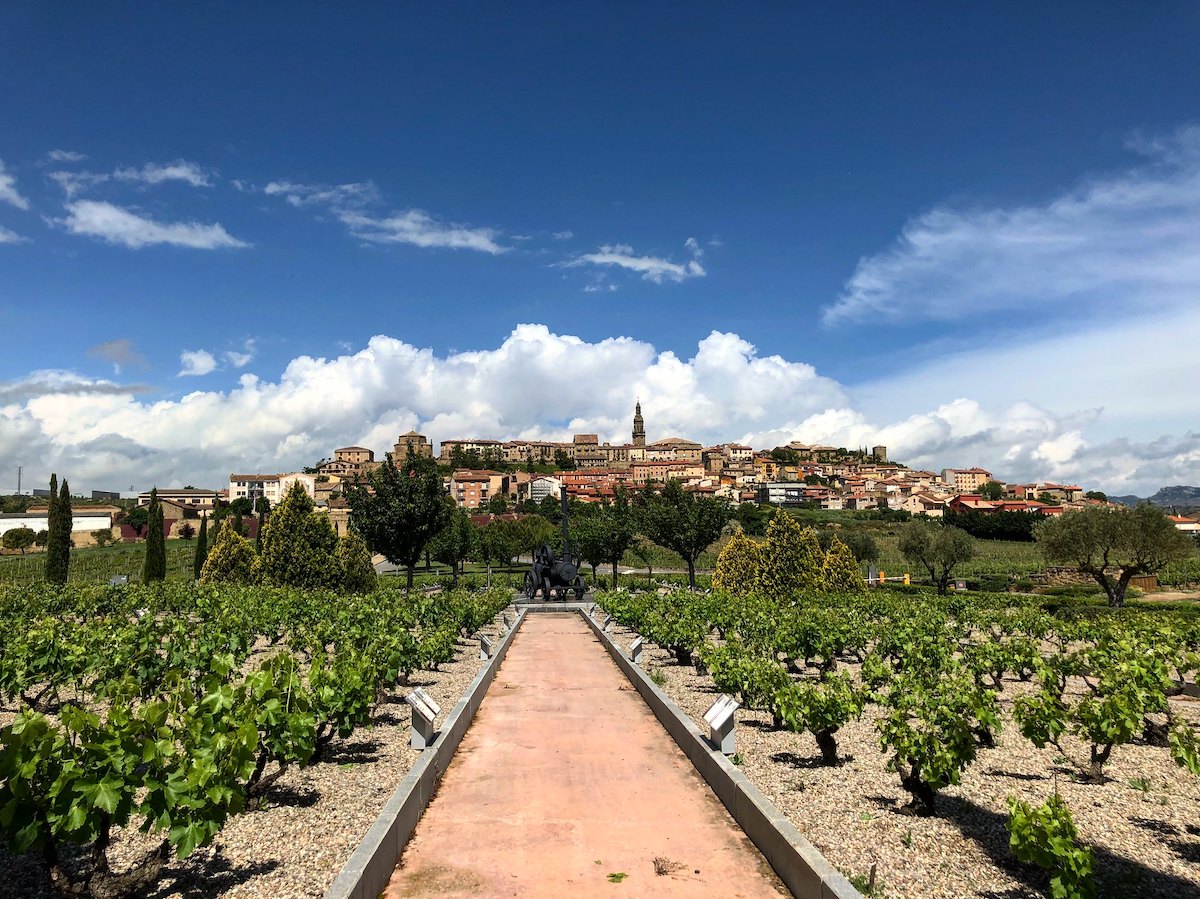
There’s a legend in this small town that says that, in the 11th century, a hermit named Domingo had a bridge built over the Oja River, for which Rioja takes its name. That bridge aided pilgrims on the popular Camino de Santiago route (which pilgrims are still using today).
The village of Santo Domingo de la Calzada has a very impressive Romanesque cathedral and a charming main square.
Enjoy Local Wine
Of course, you can’t escape wine while in La Rioja, Spain. If you want to indulge in the region’s most famous product, you can do that very easily. It’s best to have access to a car, plus a designated driver. Then you can reach some of the best wineries in the region.
- You can start by visiting the Vivanco Museum of Wine Culture, an institution that takes visitors through the history and culture of wine making in La Rioja.
- If you don’t want to drive or don’t have access to a car, no problem. Base yourself in Haro, the self-proclaimed capital of Rioja (wine), where there are several tasting rooms from various wineries (or “bodegas,” as they’re called here).
- If you’re in Logroño, Franco-Españolas is a 135-year-old winery just across the Ebro River from the historical center. It offers tours and tastings.
Cook Basque Cuisine with Us in San Sebastián!
The closest you’ll get to cooking like a local in San Sebastián is our Authentic Basque Cooking Class. In this hands-on experience, a professional chef will guide you through creating an aperitivo and four beloved Basque dishes.
You’ll come away from your San Sebastian cooking class with a better understanding of the city’s culture and the role food plays in it—plus a handy repertoire of new recipes to impress your family and friends back home!

Featured Review: Authentic Basque Cooking Class
⭐⭐⭐⭐⭐ “Fantastic experience from start to finish. Alberto combined practical cooking techniques with fascinating historical and cultural insights, making the class much more than just a cooking lesson. It was a great opportunity to learn about Basque cuisine, understand the traditions behind each dish, and prepare authentic recipes in a friendly and engaging atmosphere. I would highly recommend this class to anyone interested in discovering the authentic flavors and culture of the Basque Country.”
– Lorenzo
Visiting La Rioja FAQs
What is La Rioja, Spain, famous for?
La Rioja is Spain’s most famous wine region, renowned for producing world-class red wines made primarily from the Tempranillo grape. Beyond its vineyards, the region is known for picturesque medieval villages, award-winning wineries, excellent gastronomy, and beautiful landscapes dotted with rolling hills and historic monasteries.
Is La Rioja worth visiting if you’re not a wine drinker?
Absolutely. While wine is a major draw, La Rioja also offers outstanding food, scenic hiking and cycling routes, charming towns like Haro and Laguardia, centuries-old monasteries, and impressive architecture.
How many days should you spend in La Rioja?
Two to three days is ideal for experiencing La Rioja’s highlights. This gives you enough time to tour a few wineries, explore historic villages, enjoy traditional Riojan cuisine, and take in the region’s vineyards and countryside at a relaxed pace.
What food should you try in La Rioja?
La Rioja is known for hearty regional dishes that pair perfectly with its wines. Local specialties include patatas a la riojana (potatoes with chorizo), lamb chops grilled over vine cuttings, Rioja-style chorizo, white asparagus, mushrooms, roasted piquillo peppers, and a variety of pintxos served in the region’s bars and taverns.
When is the best time to visit La Rioja?
La Rioja is beautiful year-round, but late spring and early autumn are especially popular. September and October are harvest season, when vineyards are at their most vibrant and many wineries host special events, while spring offers mild weather that’s perfect for sightseeing, outdoor activities, and wine tasting.