Last Updated on July 23, 2026 by Emma Fajcz | Published: August 20, 2019
Ordering a coffee seems like an easy task, but as with many things in France, there’s a right and a wrong way. French coffee culture is guided by a number of spoken and unspoken rules: confusing nomenclature, unique coffee shop dynamics, and a strong tendency toward over-caffeination. However, ordering a coffee like a local is one of the best ways to win you brownie points with cantankerous waiters, help you fit in and, of course, keep you awake while you travel. Here are a few tips on how to order coffee in French to get you started.
Need a cup of coffee? Don’t miss our favorite cafes in Paris!
Table of Contents
What to Order in a Paris Café
First of all, you’ll want to make sure you’re getting the right drink. Watch out, because the French language might try to trip you up along the way! Here’s a quick guide to French coffees:
- Café: In France, if you order a café, you can expect a small espresso.
- Cafe Filtre: If you’re looking for a larger mug of coffee, that’s cafe filtre—and as it’s mainly popular with the tourist crowd, you won’t find it many places outside of Starbucks!
- Noisette: A noisette, which means hazelnut, is also somewhat of a misnomer. It’s not a hazelnut-flavored brew, but rather a hazelnut-colored one. In other words, a noisette is a cortado—mostly espresso with just a splash of milk.
- Americano/Café Allongé: For an americano (espresso with water added), think again before calling it an américain. Usually, this type of espresso is called a café allongé.
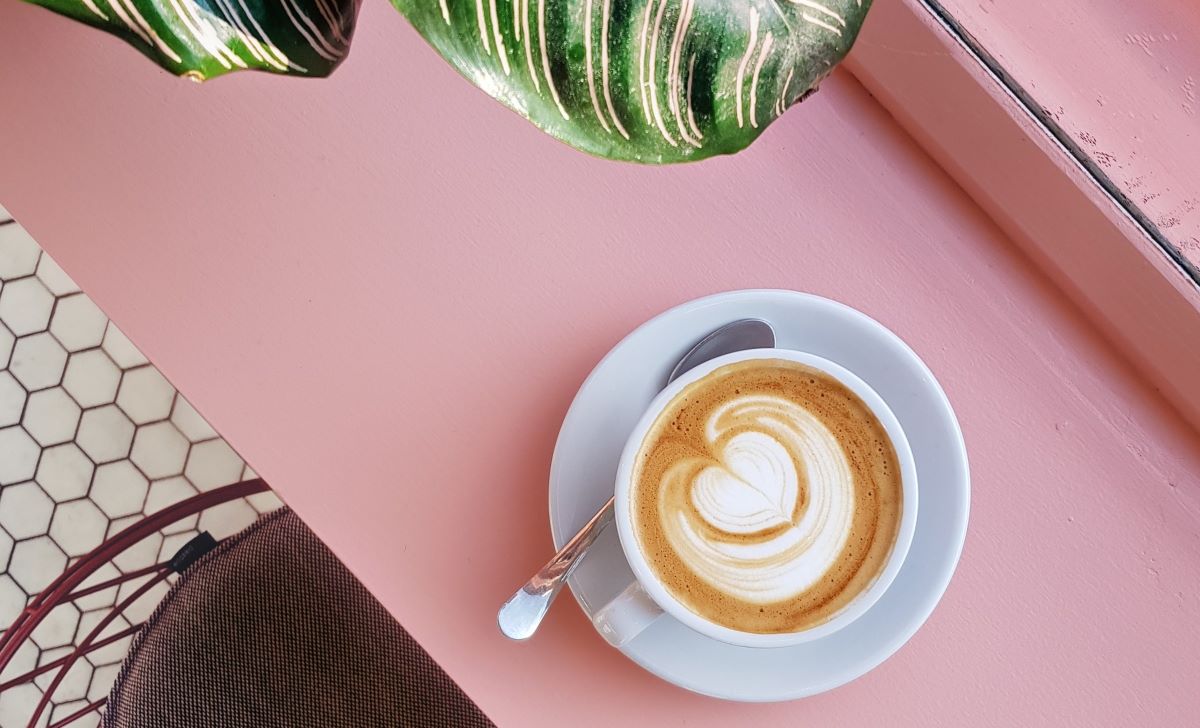
- Café Crème: You thought café crème meant coffee with cream? Try again! A café crème, often shortened to simply crème, is an espresso with milk—or what many would typically refer to as a café au lait. The French don’t refer to a coffee with milk as a café au lait, saving that term for a coffee with milk consumed at home. Confusing, right? The takeaway is this: if you want a coffee with milk, order a café crème to sound like a local.
(Psst…want to pair your coffee with a great pastry? We interviewed a local French pastry chef to help you find the best pastries in Paris!)

For the Best Deal, Go to the Comptoir
This isn’t universally the case, but in many typical French cafes, your shot of espresso will be significantly cheaper if you order it at the bar, or comptoir. Doing this will also give you a chance to talk to the waiter and hang with the regulars. Grab your morning copy of Le Monde and give it a shot.
How “Serré” Do You Want Your Coffee?
French coffee is pretty strong to begin with—although many Italians will tell you otherwise. But if you want your espresso to be especially small and strong, ask for it to be serré (tight), or even bien serré (very tight). This language refers to how tightly the barista twists the lever on the machine when he or she makes your coffee. If you want a less strong coffee, you can ask for pas trop serré (not too tight).

Don’t Ask for Takeaway Coffee in Paris
Part of the joy of drinking coffee in France is the experience of sitting in a cafe to enjoy it. It’s rare to see a French person ask for a coffee to-go, or a emporter. This means that if you’re in a rush, your options are limited.
For the most part, French cafes don’t carry to-go cups, but you will notice that in many places—the metro, administrative buildings, schools and so on—you can get a coffee out of a machine (basically a coffee vending machine). These coffees are not top notch, but they help in a bind.
Increasingly, coffee chains like Columbus Cafe, La Croissanterie, and others also carry coffees for the road, but, again, takeaway culture is just not the norm in France.

Get more tips for fitting in with the locals with our guide to what to drink in Paris at any time of day.
Experience the Culinary Secrets of the Marais
Paris is always beautiful—but without the right guide, it’s easy to miss the true flavors hiding behind the storefronts and sidewalk cafés. That’s where we come in. On this Private Culinary Secrets of the Marais Food Tour, you’ll explore Le Marais—one of the city’s most historic and delicious neighborhoods—through the eyes of a local insider.
Skip the crowded chains and postcard bites. Instead, taste award-winning breads, perfectly aged cheeses, handmade chocolates, and more from the small shops and markets Parisians love most. Along the way, you’ll hear the stories that bring this corner of Paris to life. From royal history and revolution to the timeless techniques behind a perfect baguette, every stop reveals something new. This is the side most visitors never taste!

Featured Review: Culinary Secrets of the Marais Tour
⭐⭐⭐⭐⭐ “Fabulous tour with Alice! Every stop was delicious. Alice was knowledgeable and provided every good history for us.”
– Felicia
How to Order Coffee in Paris FAQs
How do you order a coffee in French?
The simplest way to order coffee is to say, “Un café, s’il vous plaît.” In France, un café refers to a single espresso, not a large drip coffee. Starting with “bonjour” (good morning) and ending with “merci” (thank you) is considered good café etiquette and will help you blend in like a local.
What is the difference between a café, café crème, and noisette?
A café is a shot of espresso, a café crème is an espresso topped with steamed milk, and a noisette is a hazelnut-colored espresso with just a splash of milk. Knowing these terms will help you order exactly what you want and avoid surprises at a Parisian café.
Can you order takeaway coffee in Paris?
Yes, you can in some cafes, but takeaway coffee is less common here than in many other countries. Most Parisians prefer to enjoy their coffee while seated at a café, and drinking your coffee at the bar is often less expensive than ordering it at a table.
What is the most popular coffee drink in Paris?
The most popular coffee order in Paris is simply un café, which is a small espresso. Many locals drink several espressos throughout the day, while milk-based drinks like a café crème are more commonly enjoyed in the morning.
Do you tip when ordering coffee in Paris?
Tipping is not expected for coffee in Paris because service is included in the bill. While it’s common to leave a few coins for exceptional service, simply greeting your server politely and enjoying your coffee at a relaxed pace is perfectly okay.