Last Updated on December 17, 2025 by Maika Cotton | Published: November 3, 2025
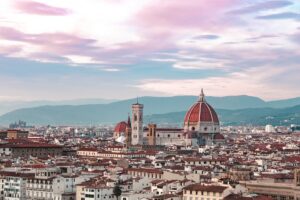
Florence may be famed for its Renaissance masterpieces and architectural grandeur, but to truly experience the city like a local, you have to look beyond its frescoed walls and marble façades to its tables, markets, and cafés. From the morning espresso ritual to the bustle of the neighborhood market, Florence’s culinary culture offers an intimate glimpse into the customs that make the “Cradle of the Renaissance” a paradise for foodies. Here’s our expert tips for experiencing Florence like a local!

Table of Contents
The Best Way to Experience Florence Like a Local
On our Florence Food & Wine Tour, you’ll uncover the city’s soul through its food. As you wander its historic streets, you’ll see how local ingredients, neighborhood eateries, and family recipes reflect Florence’s rich heritage and daily life.
Led by a local expert, you’ll explore an enoteca, trattoria, and gelateria that reveal how Florentines eat, gather, and celebrate their city, one bite at a time.
Want to get a head start before your visit? Read our full guide to experiencing Florence like a local, packed with insider tips, favorite spots, and must-try dishes.

Caffè: The Most Important Local Morning Ritual
Coffee in Florence, as is the case throughout Italy, is not just a ritual, but a way of life.
Start off your morning by doing as the locals do: sipping an espresso at one of the city’s emblematic cafés.

And, of course, no Italian breakfast is complete without something sweet–because here, sugar before noon is practically a rule, so we pair it with a freshly baked cornetto. Between sips of espresso and bites of pastry, you’ll get a crash course in Italian coffee culture, and discover why Florentines believe the best mornings start with caffeine.
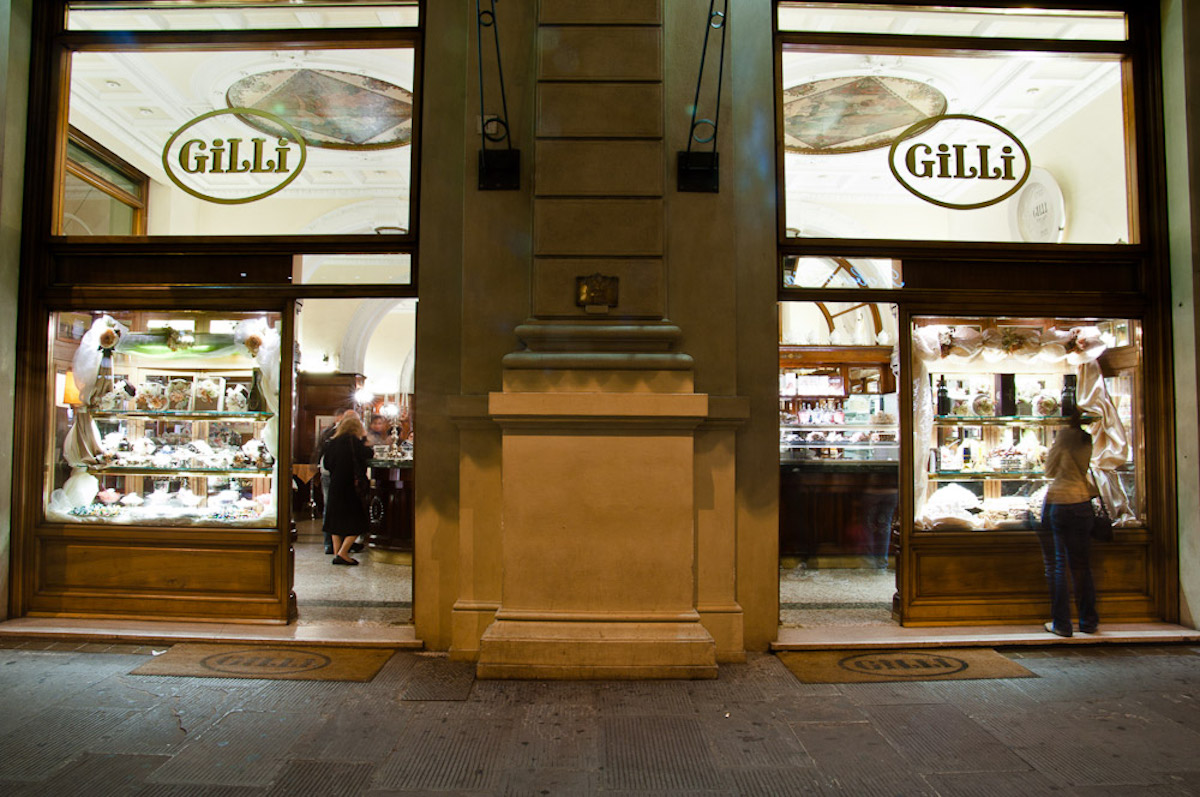
Insider Tip: For a side of history with your espresso, head to Caffe Gilli, Florence’s oldest coffee shop, which has been open since 1733!
Life at the Market: Where Florence Comes Alive
To experience Florence like a local, another must is a visit to one of the city’s food markets. Here, shopping is more than an errand; it’s a daily ritual where residents exchange recipes, stories, and news while picking up fresh ingredients for the day’s cooking.
As you wander the stalls, take in the colors and aromas of Tuscany, from sun-ripened tomatoes to bottles of golden olive oil pressed in nearby hills.
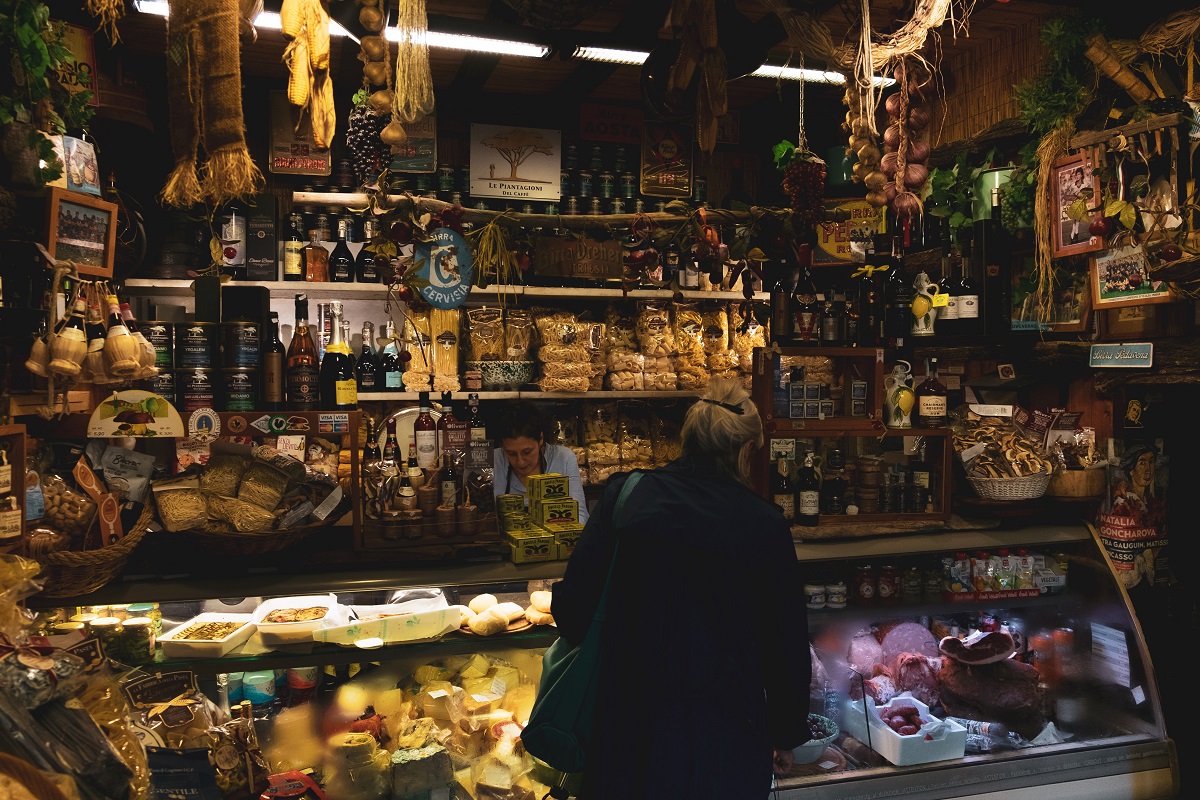
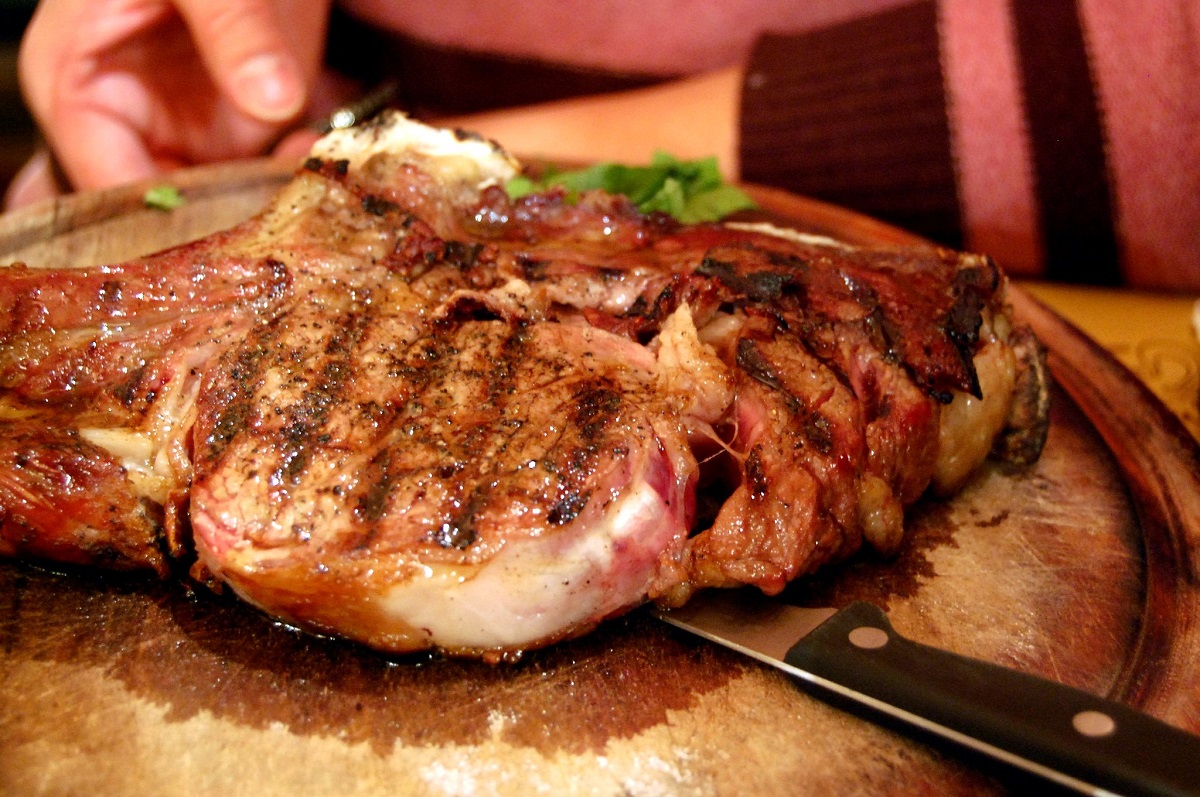
Visit one of Florence’s amazing food markets to meet local vendors, sample regional cheeses, olives, and crostini, and even watch a butcher at work preparing the city’s iconic bistecca alla fiorentina.
Florentine Wine Culture: a Taste of Tuscany
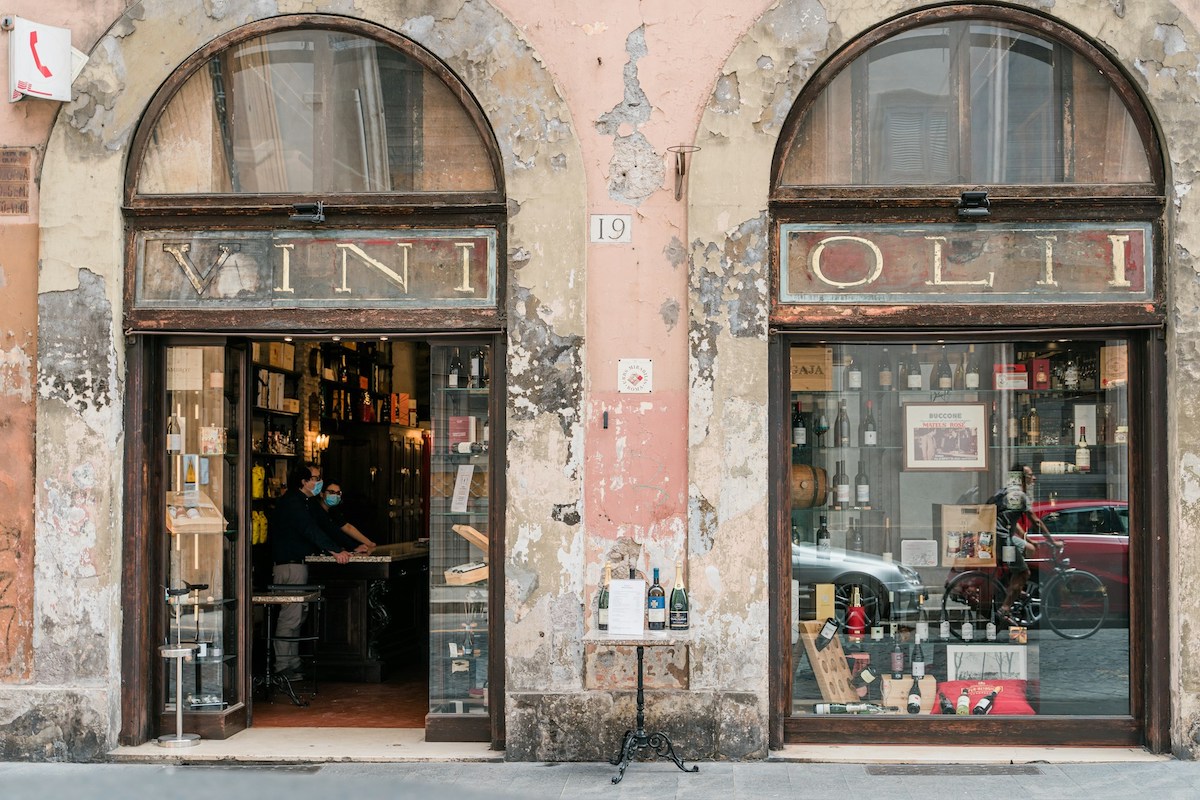
Of course, no Italian meal is complete without a glass of wine, and in Florence, that means exploring the city’s vibrant enoteca scene.
Tuscany’s fertile landscape is home to some of Italy’s most celebrated vineyards, where Sangiovese grapes reigns supreme, making up about 60% of local production. Beyond the world-famous Chianti, you’ll also find:
- Brunello di Montalcino: A Tuscan red made from Sangiovese grapes grown in the hill town of Montalcino, where winemaking dates back to Etruscan times.
- Vernaccia di San Gimignano: A crisp, mineral white crafted from Vernaccia grapes.
- Vino Nobile di Montepulciano: A structured vino rosso made primarily from Sangiovese, often blended with Canaiolo Nero.
On our Florence Food & Wine Tour, we’ll explore the world of Tuscan vino firsthand at one of Florence’s most beloved wine shops, where you’ll even get to choose your own pour, and enjoy it alongside a bruschetta and a bowl of Tuscan bread soup.
Local Street Eats in Florence: From Schiaccata to Coccoli
Florence isn’t just about sit-down dining; some of the city’s most memorable flavors come straight from the street.
One staple street food is schiacciata, a variant of focaccia sprinkled with olive oil and salt, stuffed with an endless combinations of fillings, perfect for eating on the go as you wander through the city’s streets.
Insider Tip: Stop by Lo Schiacciavino for their generously stuffed schiacciate. We’re particularly fond of the one that combines porchetta, creamy straciatella, and pistachio cream.
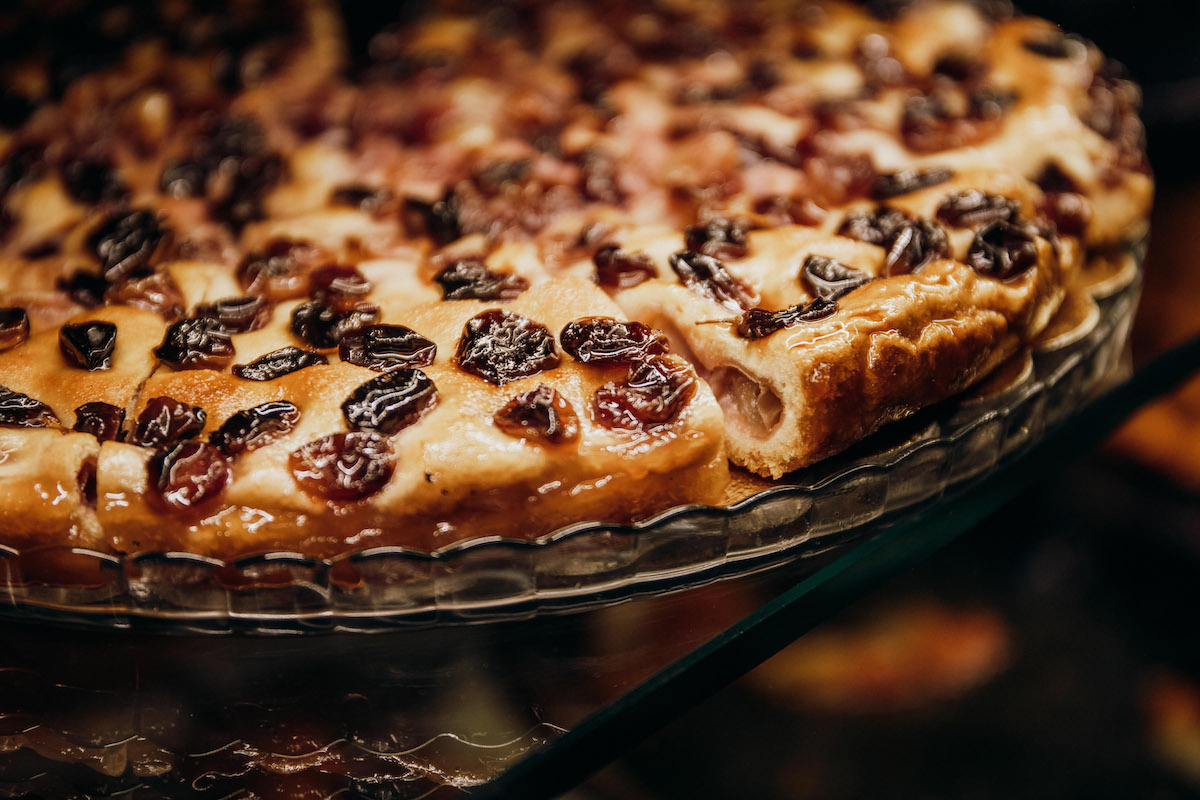
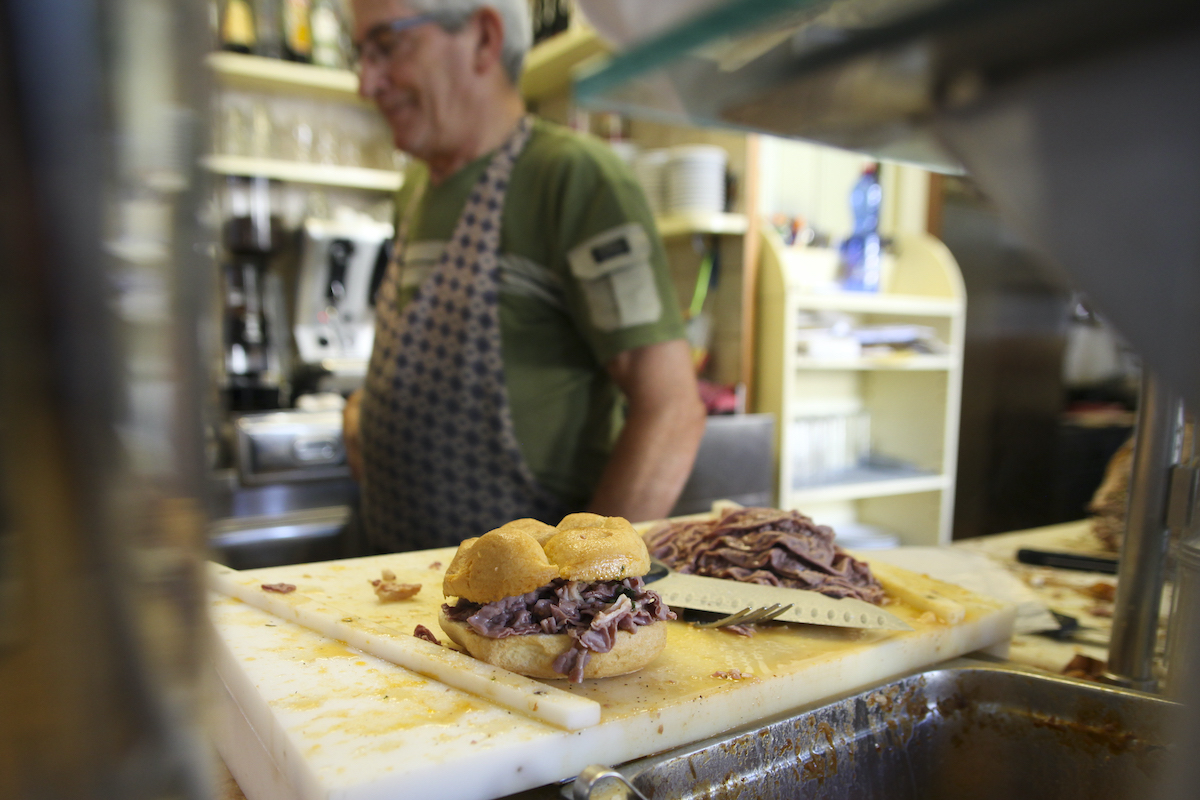
You’ll want to sample more Florentine staples like coccoli, warm fried dough balls served with prosciutto and soft cheese. For the adventurous, there’s lampredotto, a classic sandwich of tender, slow-cooked tripe simmered in savory broth and tucked into a crusty roll.
Indulge Like a Florentine: Sweets and Local Favorites
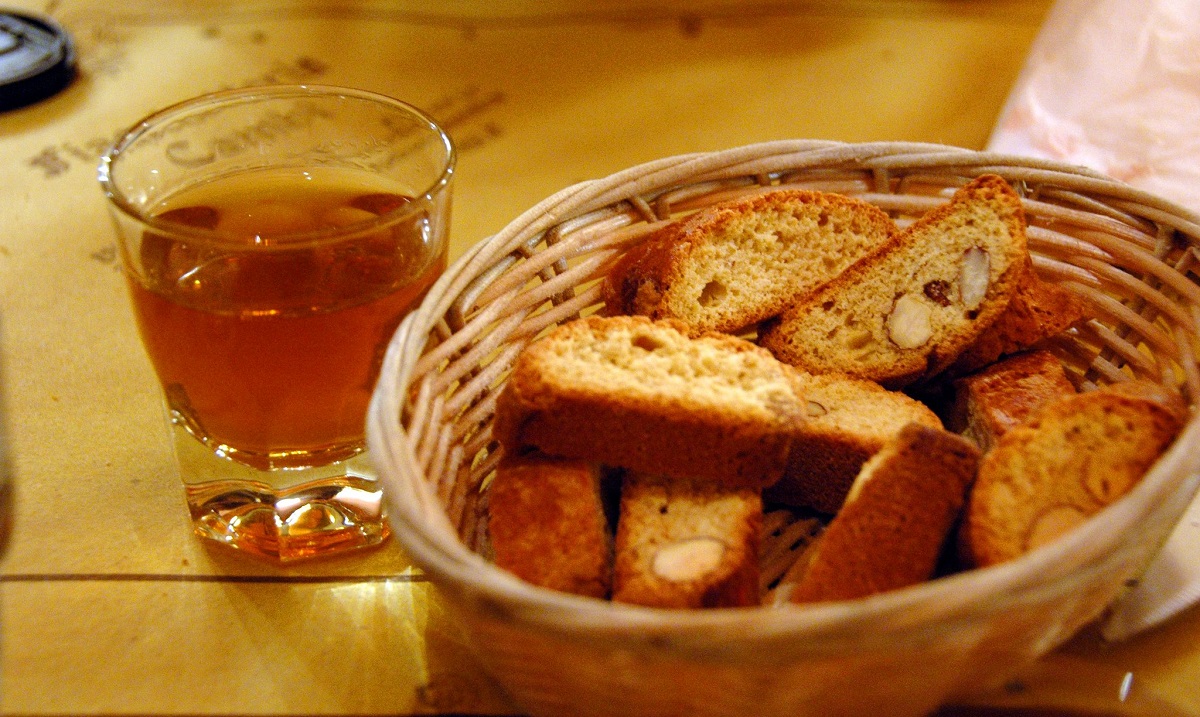
Florence knows how to satisfy a sweet tooth. You’ll often spot locals lining up at neighborhood bakeries for fresh biscotti. Be sure to try cantucci, the city’s signature almond biscotti. Traditionally dipped in vin santo, they’re the perfect way to end a meal.
Insider Tip: The city has a secret late-night bakery scene, so if you ever have a cantucci-emergency after hours, you’re covered. One of our personal favorites is Forno Canapa.
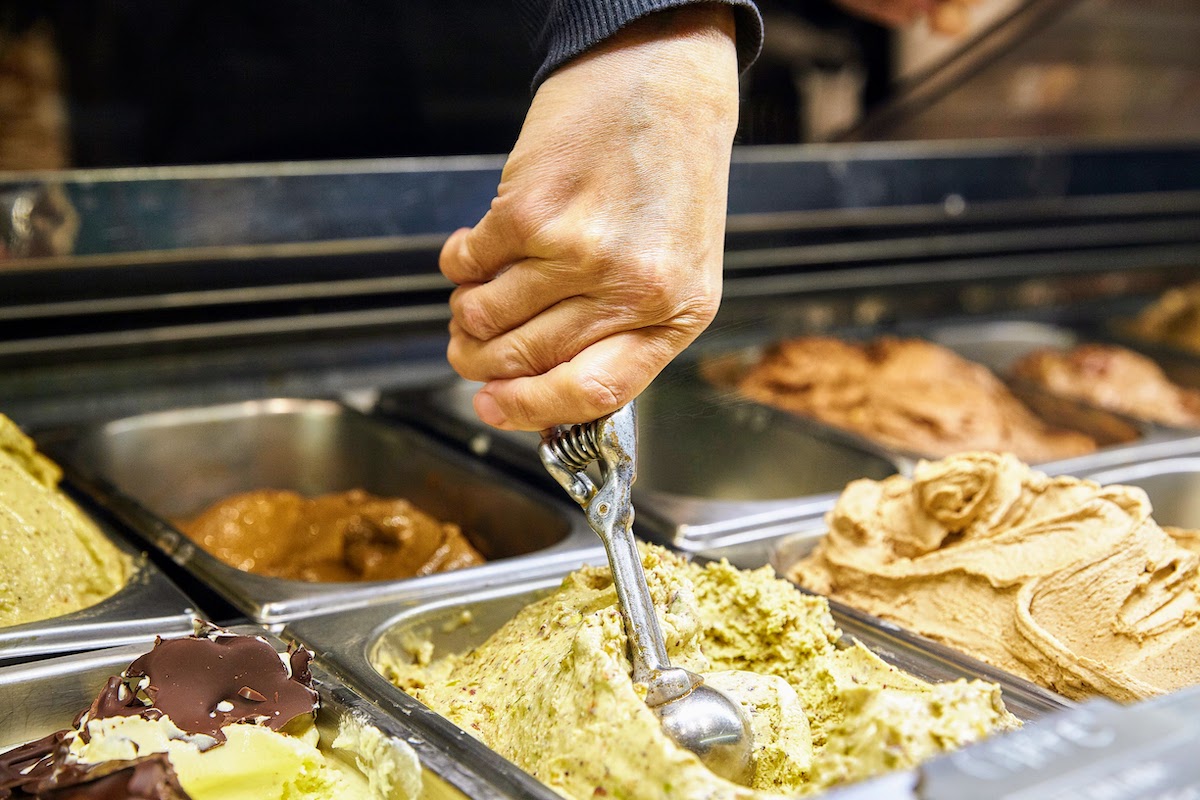
And of course, no mention of dessert would be complete without gelato, which was born right here in Florence. Credited to 16th-century artist and architect Bernardo Buontalenti, Florentine gelato is known for its rich, creamy texture and pure, high-quality ingredients.
Want more ideas? Check out these 6 sweet treats to not miss in Florence!
Experience Florence Like a Local
Want to visit Florence like a local? Join our Florence Food & Wine Tour to experience this beautiful Italian city the way locals do, through its markets, cafés, and culinary traditions. It’s the perfect way to see (and taste) a more local side of the city!

Featured Review: Florence Food & Wine Tour
⭐⭐⭐⭐⭐ “We have not seen much of this area previously and unlikely to have found the spots visited without Lorenzo. The guide was fantastic, full of energy and a local has lived in touring area for 31 + years. Lorenzo was our guide, gave us a detailed tour as we moved from place to place. The food served was great, wines were good too! Small group of strangers left the tour a small group of friends.”
– Jeff on Viator
FAQs
How much Italian should I know to visit Florence?
You don’t need to be fluent, but knowing a few key phrases like buongiorno (good morning) and grazie (thank you) will go a long way. Most locals working in cafés, markets, and shops speak basic English, but a little Italian is always appreciated.
When is the best time of year to visit Florence?
Aim for spring (April-June) or fall (September-October). The weather is pleasant for wandering the streets, and local life is in full swing. Summer is popular with tourists, while winter is quieter but some museums and attractions have reduced hours.
When is the best time of day to explore Florence’s markets and cafés?
Try to go early! Locals usually hit the markets and cafés before 10 am. By mid-morning, they start filling with tourists.
How can I avoid tourist crowds at landmarks in Florence?
Explore lesser-known neighborhoods like Sant’Ambrogio, San Frediano, and Oltrarno. Local cafés, small markets, and artisan workshops offer a glimpse of the city beyond the main tourist routes.
How do locals get around Florence?
The best way to explore Florence is on foot; the historic center is compact, and many of its most beautiful areas are pedestrian-only. For longer distances, the city’s network of buses and trams makes getting around easy.