Last Updated on January 27, 2026 by Emma Fajcz | Published: August 5, 2019
In Barcelona, it’s all about Catalan! Although many people regularly speak Castilian Spanish in Barcelona, pride in the local language runs deep in Catalonia, and making an effort to speak a little bit of Catalan will immediately make the locals smile. It shows you respect their language, identity and culture. An easy way to start is to learn how to navigate a Catalan menu and learn some food vocabulary before you come to Barcelona.
Traveling to Barcelona soon? Be sure to learn these useful Catalan phrases you should know.
Table of Contents
Breakfast & Coffee in Barcelona
If you’re like us, you can’t even think about starting the day until you’ve had your caffeine fix. Luckily, there are some seriously great spots for breakfast in Barcelona where you can start your day off on the most delicious note possible—coffee and all.
Once you’ve found a spot, it’s time to take on your next challenge: ordering in Catalan. Here are a few handy words and phrases to get you started, with their English and Spanish (where applicable) equivalents.
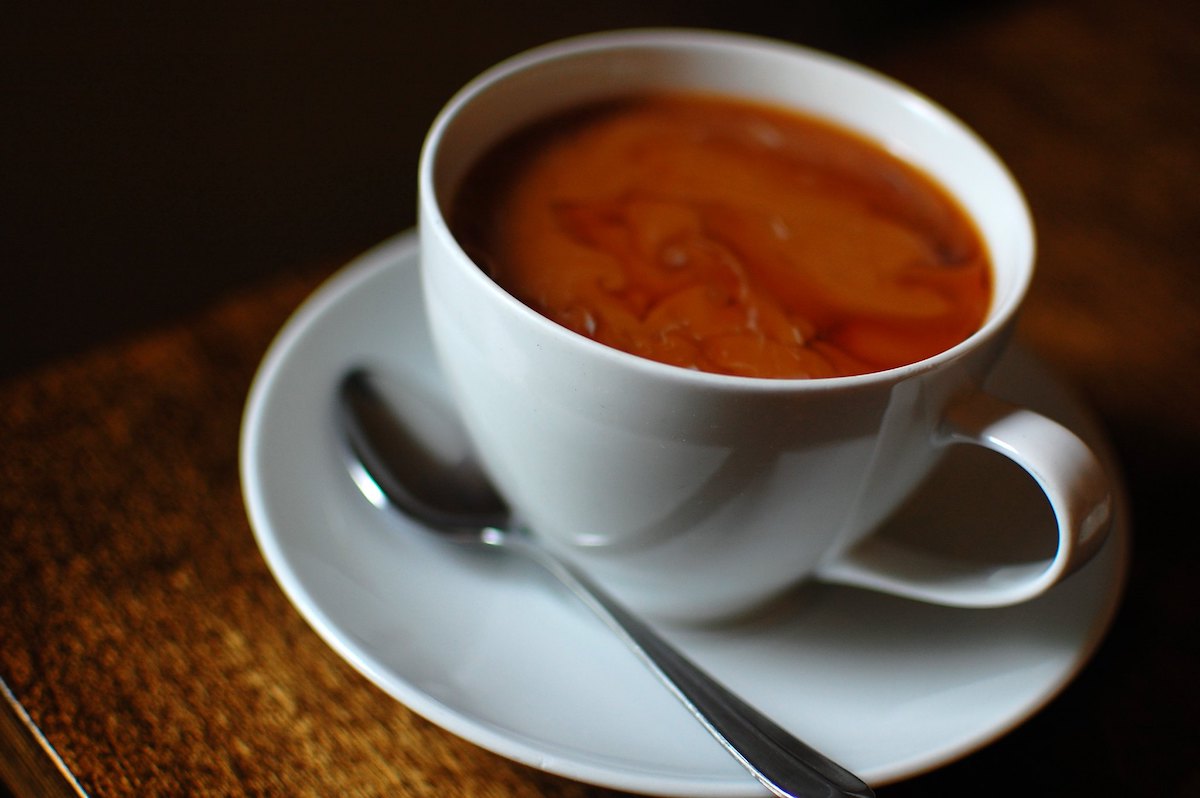
Ordering Coffee in Catalan
- Tallat: cortado (mostly espresso with a splash of milk)
- Cafe sol: solo (a small cup of just espresso, no milk)
- cafe amb llet: café con leche (equal parts espresso and milk)
Ordering Breakfast in Catalan
- Truita de patata: tortilla de patata (Spain’s ubiquitous potato omelet)
- Melindro: soletilla (a traditional Catalan cookie similar to ladyfingers)
- Bocata: bocadillo (a simple sandwich served on a baguette)
- Cava: traditional sparkling wine, similar to champagne. And yes, it’s a breakfast staple!

Lunch in Barcelona
By midday, you’ve likely been exploring the city (or chilling out on the beach—no judgment here). Either way, you’re probably getting hungry. It’s time for lunch!
Remember that here in Spain, we tend to eat much later than you might be used to. Don’t expect locals to start heading out for lunch until 2 pm at the absolute earliest. If you find a restaurant that’s serving lunch at 12 noon, run—it’s a tourist trap.
Insider’s Tip: Always go for a menú del día when possible. This multi-course meal deal gets you a starter, main, bread, a drink and dessert or coffee all for one low price (usually under €20).

Basic Catalan Food Vocabulary
- Porc: pork
- Vedella: beef
- Pollastre: chicken
- Peix: fish
- Marisc: seafood
- Aig: water

Typical Catalan Starters
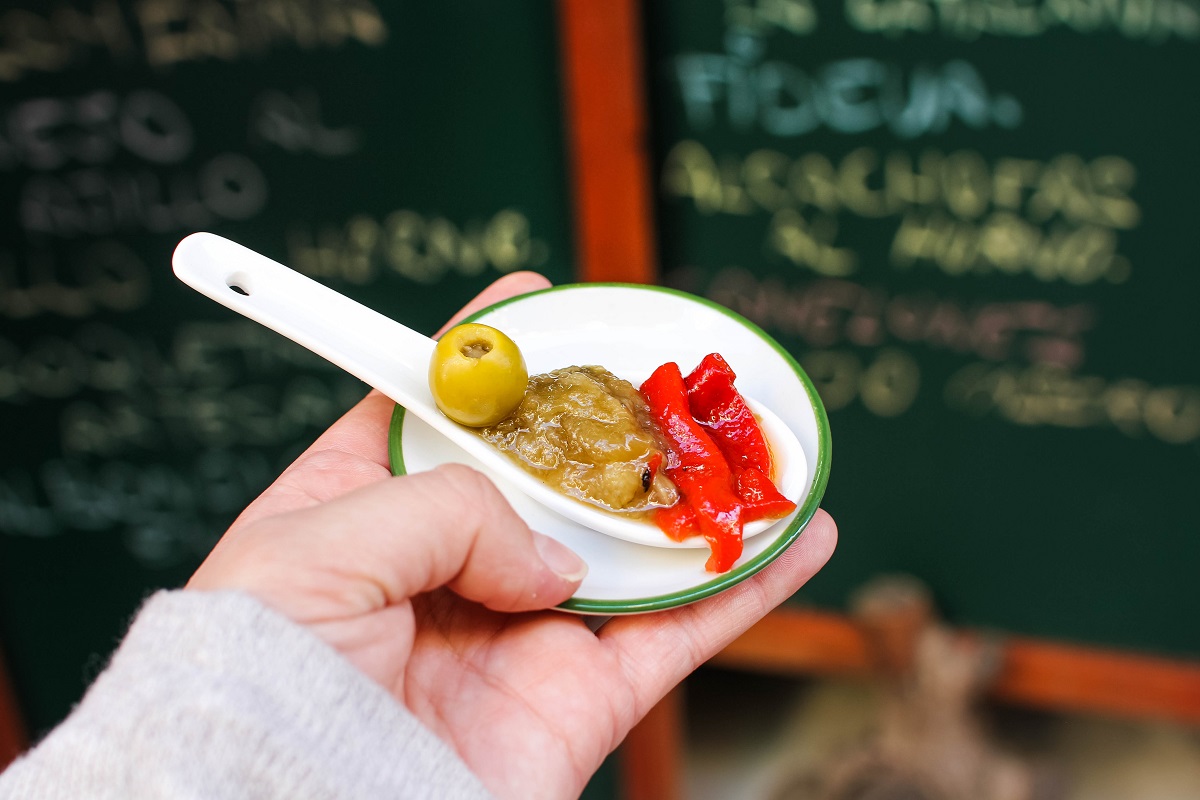
- Espinacs a la catalana: sautéed spinach with honey, raisins and pine nuts. You may also see the Spanish word espinacas instead of the Catalan espinacs.
- Escalivada amb (con) romesco: roasted eggplants, red bell peppers and onion, served with romesco. This sauce is a Catalan staple made from roasted almonds and hazelnuts, ñora peppers, vinegar, tomatoes, garlic and olive oil.
- Esqueixada: a traditional Catalan salad made with shredded salt cod, tomatoes, onions, olive oil, vinegar and salt. Some versions also add a garnish of olives or hard-boiled eggs.
- Canelones a la catalana: a sheet of pasta filled with slow-cooked pork and covered with bechamel sauce. While traditionally eaten on Christmas, most typical Catalan restaurants now serve this dish year round.
Typical Catalan Mains
- Mar i muntanya: Think surf and turf, but with a Catalan flair. Here in Barcelona, it’s very common to eat dishes that have both meat and sea food, like meatballs with cuttlefish.
- Botifarra amb mongetes blanques: pork sausage with sautéed white kidney beans
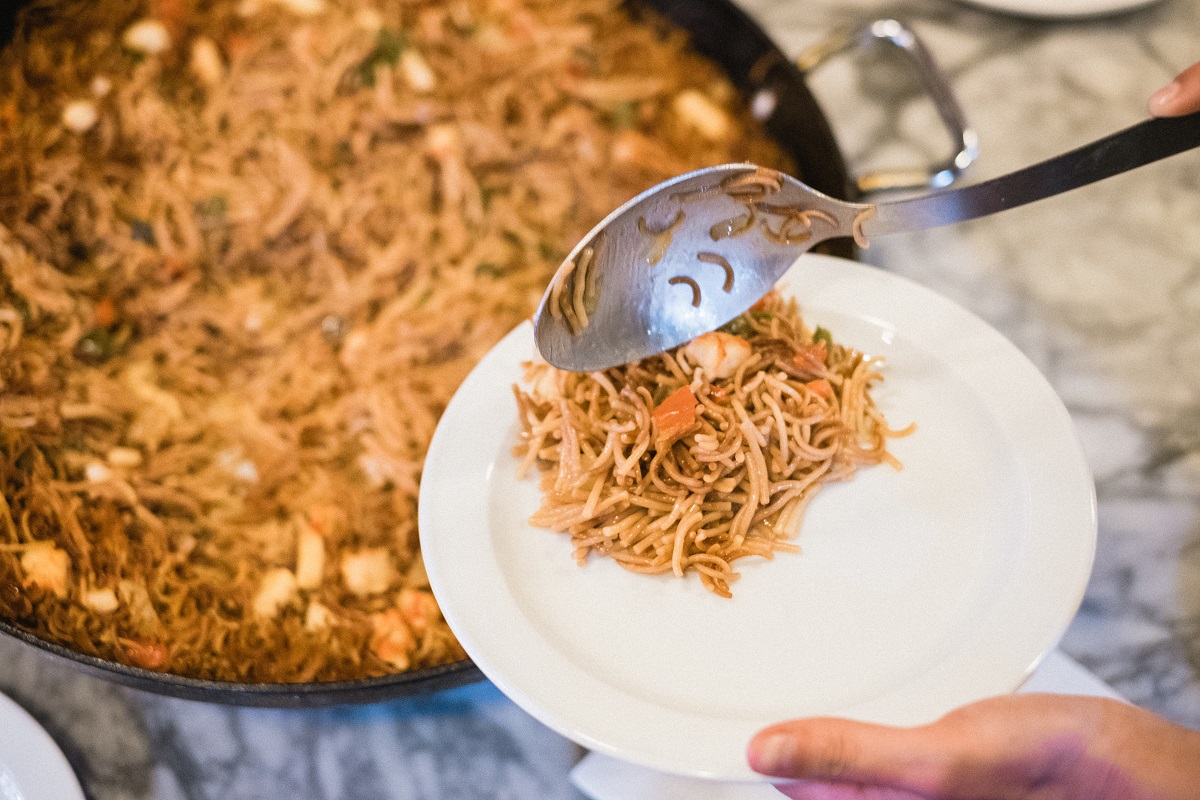
- Fideuà: a seafood dish that’s similar to paella, but made with angel hair noodles instead of rice.
Great Lunch Restaurants in Barcelona
By now your Catalan food vocabulary is sufficient enough to help you order. Here are some of our favorite spots in Barcelona for authentic Catalan fare, from the classic to the contemporary.
- Gat Blau: With a focus on organic, seasonal and local products, this trendy spot in Eixample serves up farm-to-table, modern Catalan dishes unlike any other.
- Zero Patatero: This Born restaurant also lives by the farm-to-table philosophy, serving up contemporary twists on beloved Catalan dishes made with seasonal ingredients.
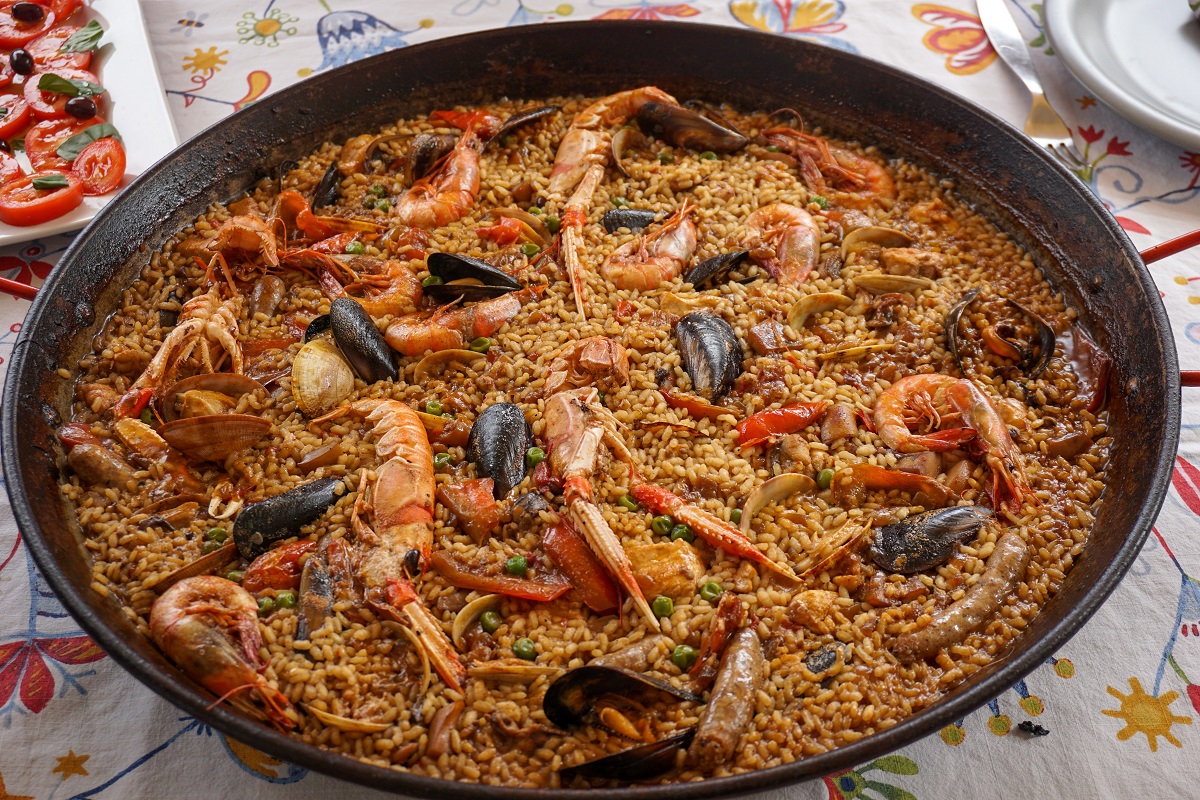
- Ca L’Estevet: Looking for something more traditional? This place has been serving tasty typical Catalan dishes since 1890. Come by on Thursday for their delicious seafood paella.
Dessert in Barcelona
We hope you saved room for something sweet! After all, Catalan desserts are some of the best out there.
- Crema catalana: Think crème brûlée, but better. The Catalan version is made with sugar, egg yolks cinnamon and lemon, and is burnt on the top to give it that delicious caramelized flavor.
- Mel i mato: A soft, unsalted goats cheese served with honey and sometimes walnuts.
- Panellets: Small round sweets made with almonds, sugar, eggs and pine nuts. They can be rolled in any number of coatings, but the traditional ones are rolled in pine nuts.

Taste the Best Food of Barcelona
Want to really put your Catalan food vocabulary to the test—and learn even more while you’re at it? Our Ultimate Barcelona Food Tour is perfect for curious foodies like yourself. Spend the morning navigating the spots that give Barcelona its heart and soul, including a bustling market, some of our favorite bars and bodegas, and more. Our only rule: come hungry.

Featured Review: Ultimate Barcelona Food Tour
⭐⭐⭐⭐⭐ “We did a wonderful tour with Alexandra this week in Barcelona. The food and food history were perfect, and she did the best job explaining the history. We came away with great local knowledge – highly recommend. Anem a fer el vermut!”
– Jeff on Tripadvisor
Essential Catalan Food Vocabulary FAQs
What are some essential Catalan food words I should know?
Key Catalan food terms include tapas (small plates), pà amb tomàquet (bread with tomato), escudella (hearty stew), botifarra (Catalan sausage), fideuà (noodle paella), and crema catalana (Catalan crème brûlée). Knowing these will help you recognize local specialties on menus.
How do I read a Catalan menu in Barcelona?
Start by scanning the entrants (starters), followed by plats principals (main courses), and postres (desserts). Look for familiar ingredients like peix (fish), carn (meat), and verdures (vegetables), and don’t hesitate to ask your server for recommendations or explanations of regional dishes.
What’s the difference between Spanish and Catalan cuisine?
While Spanish cuisine is broad, Catalan food emphasizes local, seasonal ingredients and unique combinations like sweet and savory (like seafood with fruit). Catalan menus often feature dishes like pa amb tomàquet, butifarra, suquet de peix (fish stew), and escalivada (roasted vegetables), which you may not find elsewhere in Spain.
How do I politely order food in Catalan or Spanish?
You can start with “Per favor” (please) and “Gràcies” (thank you). If you want to ask for the menu, say “La carta, si us plau”. Most servers speak Spanish and English too, but attempting a few Catalan phrases is always appreciated by locals.
Are there common Catalan food allergens or ingredients I should be aware of?
Yes, Catalan cuisine frequently includes seafood, nuts, dairy, and gluten. If you have dietary restrictions, let your server know phrases like “Sóc al·lèrgic/da a…” (I’m allergic to…) or “Sense gluten, si us plau” (gluten-free, please) so they can guide you to safe options.