Last Updated on February 24, 2026 by Maika Cotton | Published: December 19, 2025
If you’ve ever hesitated before booking a food tour (or if you’ve never been on one before) and are wondering whether it’s worth the time, money, or commitment, you’re not alone. Here are five ways a thoughtfully designed food tour can transform how you travel and why food tours are definitely worth it!

Table of Contents
Why Choose a Food Tour?
Many travelers worry that food tours might feel overly touristy, rushed, or scripted. But when done well, a food tour can be one of your most meaningful and memorable experiences when visiting a destination. There’s a lot of good reasons to take a quality food tour!
At their best, food tours offer far more than just bites and sips. They provide context, storytelling, and a deeper connection to place, especially when led by experts who understand local food culture from the inside out. That’s where companies like Devour stand apart.

1. They Help You Understand a Destination Through Its Food
Food is never just about what’s on the plate. As one of the few things that we have in common as human beings, it acts as a great window of exploration into a destination’s culinary history, culture, and overall essence. Food reflects migration, economics, social change, and identity, and food tours bring all of these layers into play.
Rather than hopping randomly between restaurants, a guided food tour places each stop within a broader cultural narrative:
- Why does this dish exist here? (like the story behind France’s croque monsieur!)
- How did this neighborhood shape local eating habits?
- What does today’s food scene reveal about the city’s past? (like the unusual connection between Portugal and Japan in the backstory of peixinhos da horta.)
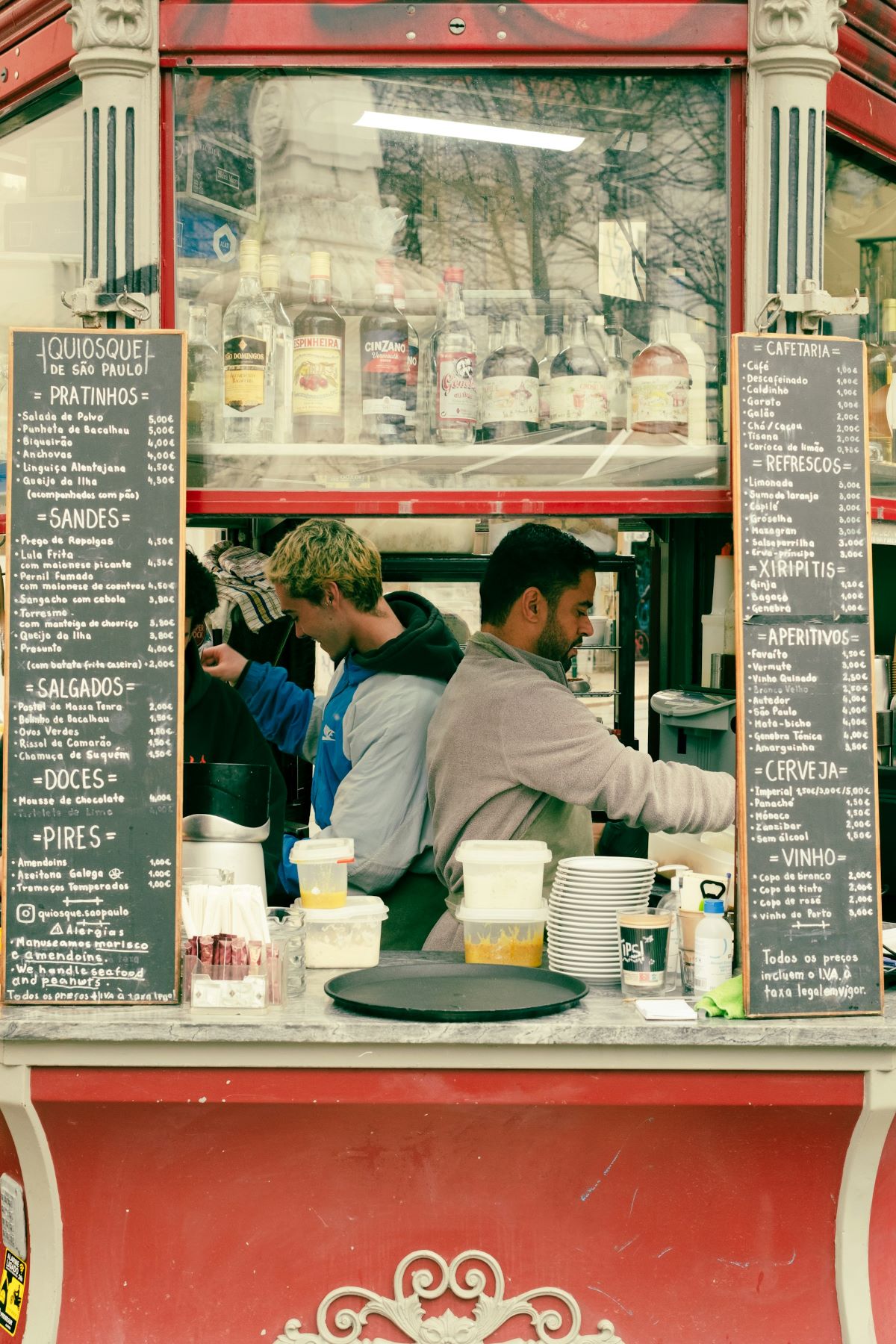
Taking a food tour early in your trip (especially on your first day) also helps you get a lay of the land. You learn how neighborhoods fit together, where locals actually eat, and how to navigate menus and customs with confidence for the rest of your stay.
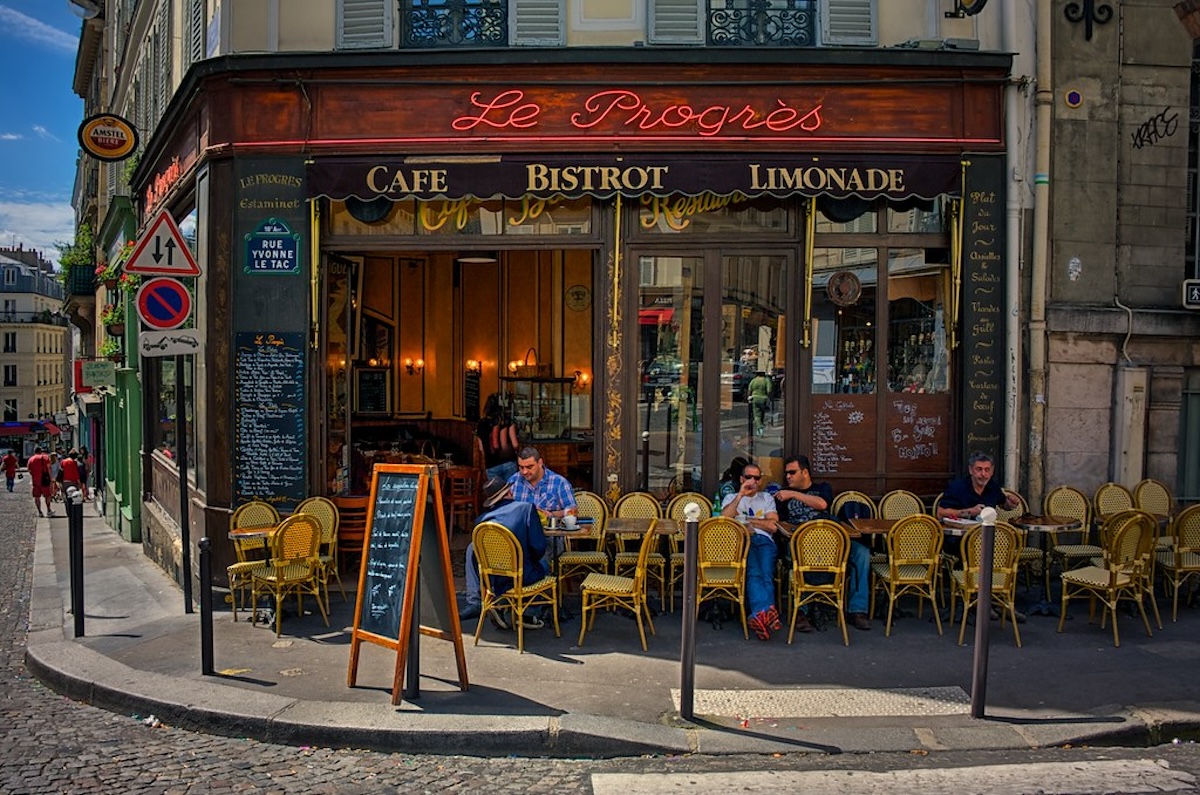
Whether that means learning the ins and outs of London’s historic pub culture, or digging into Rome’s street food and spritz scene, the result is a deeper understanding of the destination, which is something you simply don’t get from dining on your own.

2. You Gain Access You Wouldn’t Find Alone
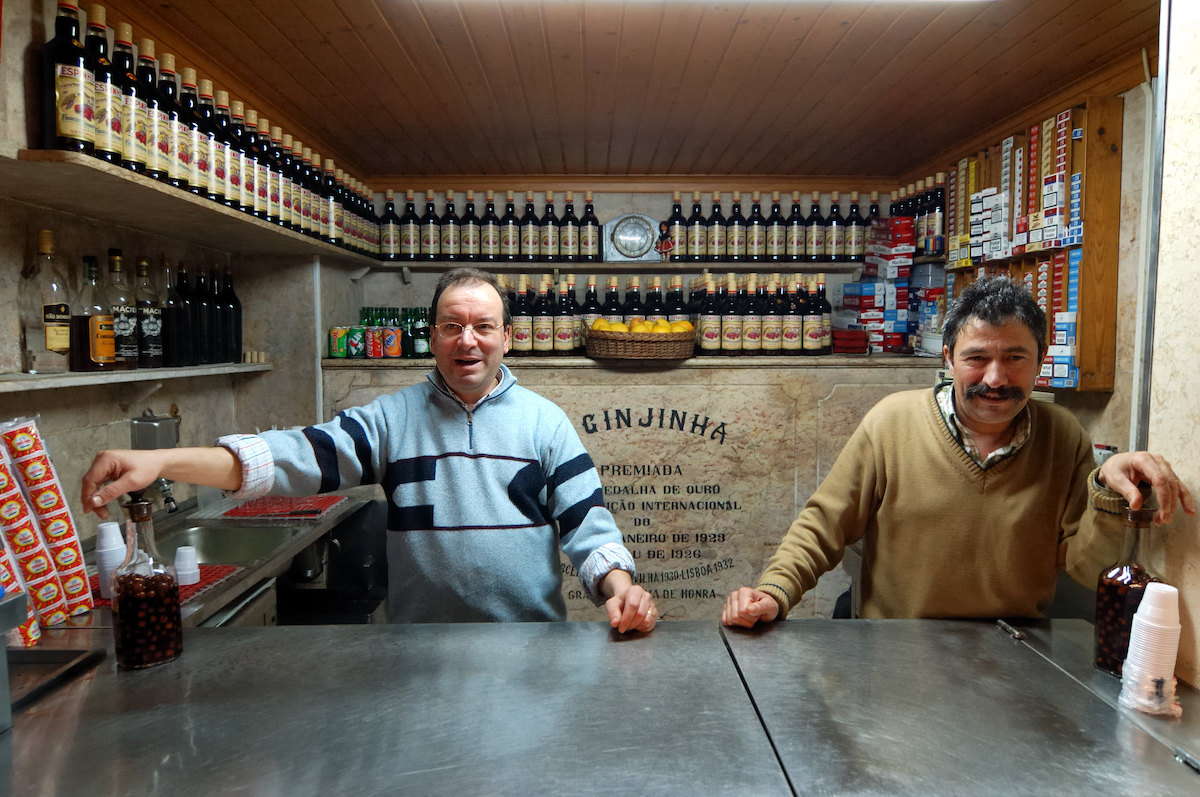
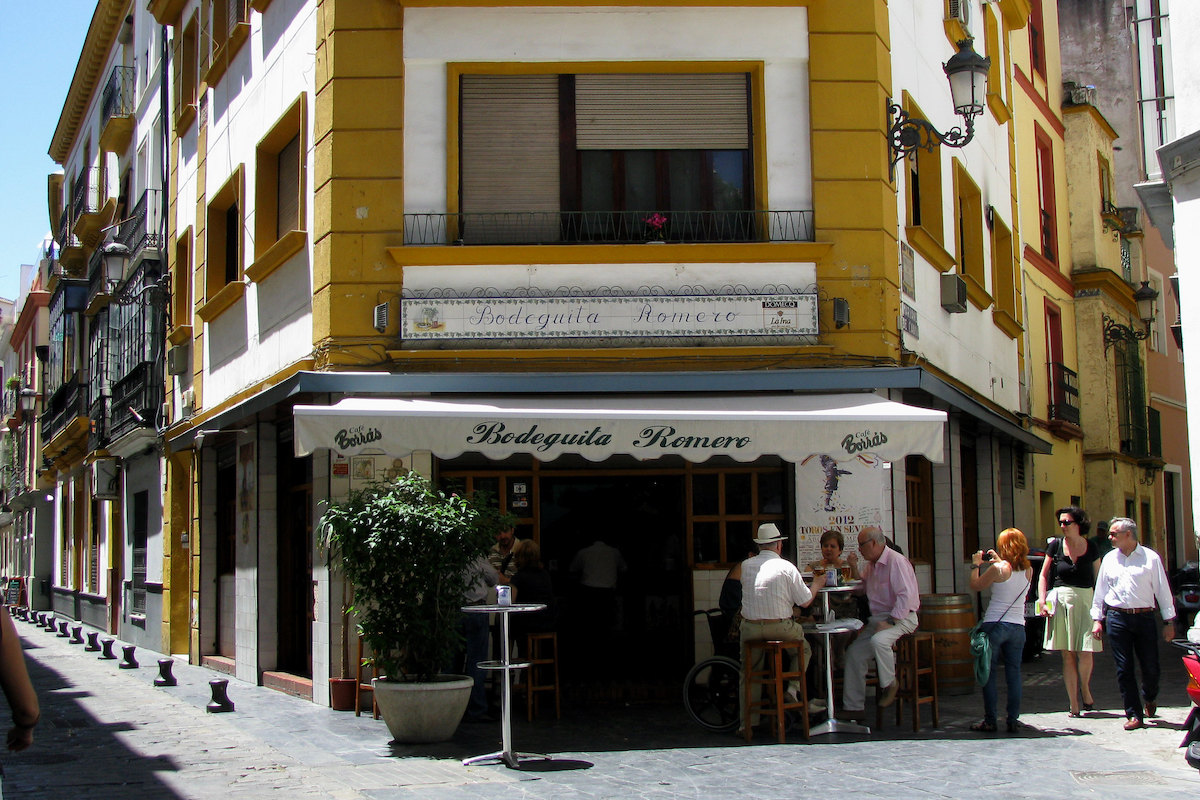
One of the biggest advantages of a food tour is access. Local guides know which places matter; not just the popular spots, but the family-run businesses, hidden bars, and historic establishments that don’t always show up on search results or social media.
With Devour, this access often means stepping into kitchens, meeting artisan makers, or visiting long-standing businesses that have shaped local food culture for generations.
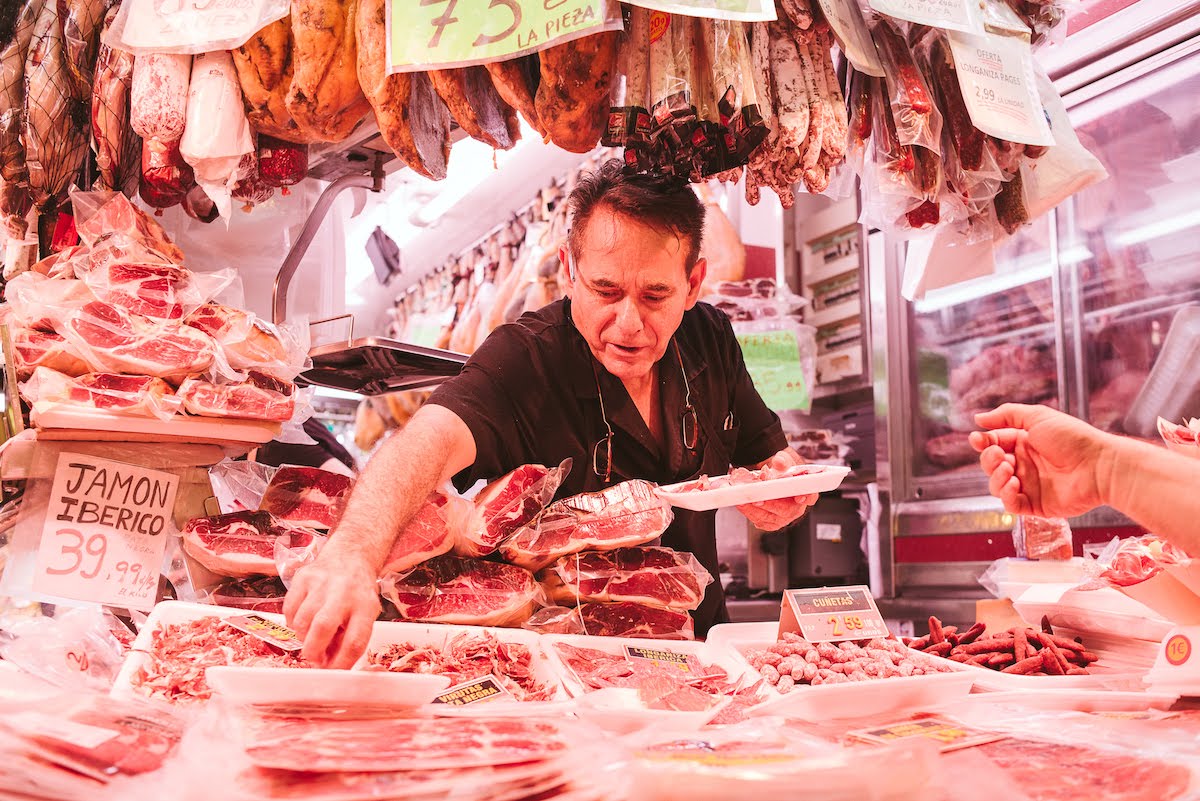
Expert guides also act as a local resource, sharing insider recommendations and practical tips you can use for the rest of your stay, from where to return for a proper meal to neighborhoods worth exploring on your own. The result is not just a great experience in the moment, but better, more informed choices throughout your trip.
3. They Save Time (and Oftentimes Money)
Travel planning can be overwhelming, especially in cities known for their food scenes:
- Where should you eat?
- What’s worth trying?
- How do you avoid wasting meals on tourist traps?
Food tours remove that guesswork. In just a few hours, you’ll sample a range of dishes, neighborhoods, and local establishments, each carefully chosen and logically connected. This is especially valuable for travelers short on time or visiting a city for the first time.
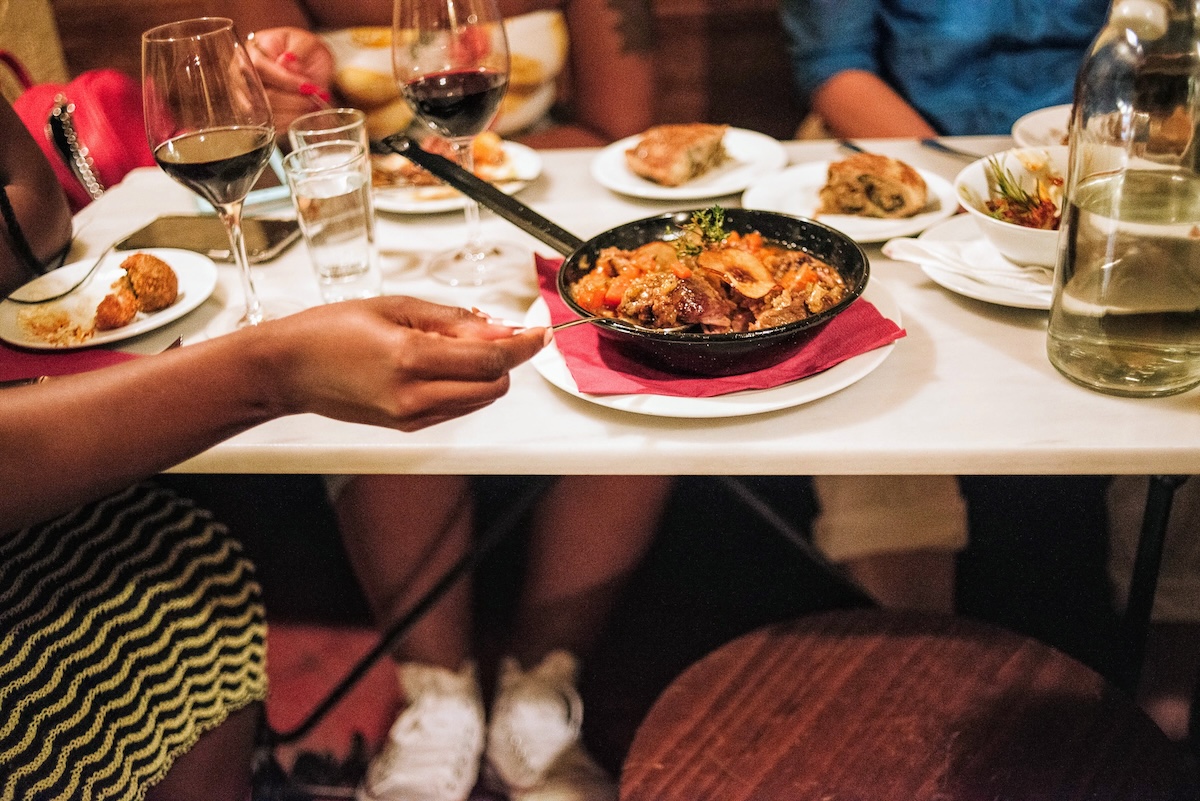
They can also be a smart use of your food budget. Rather than committing to multiple full meals (or risking overpriced, underwhelming experiences), you get to taste widely and intentionally, discovering what’s worth returning to later.
4. They Offer Human Connection, Not just Information
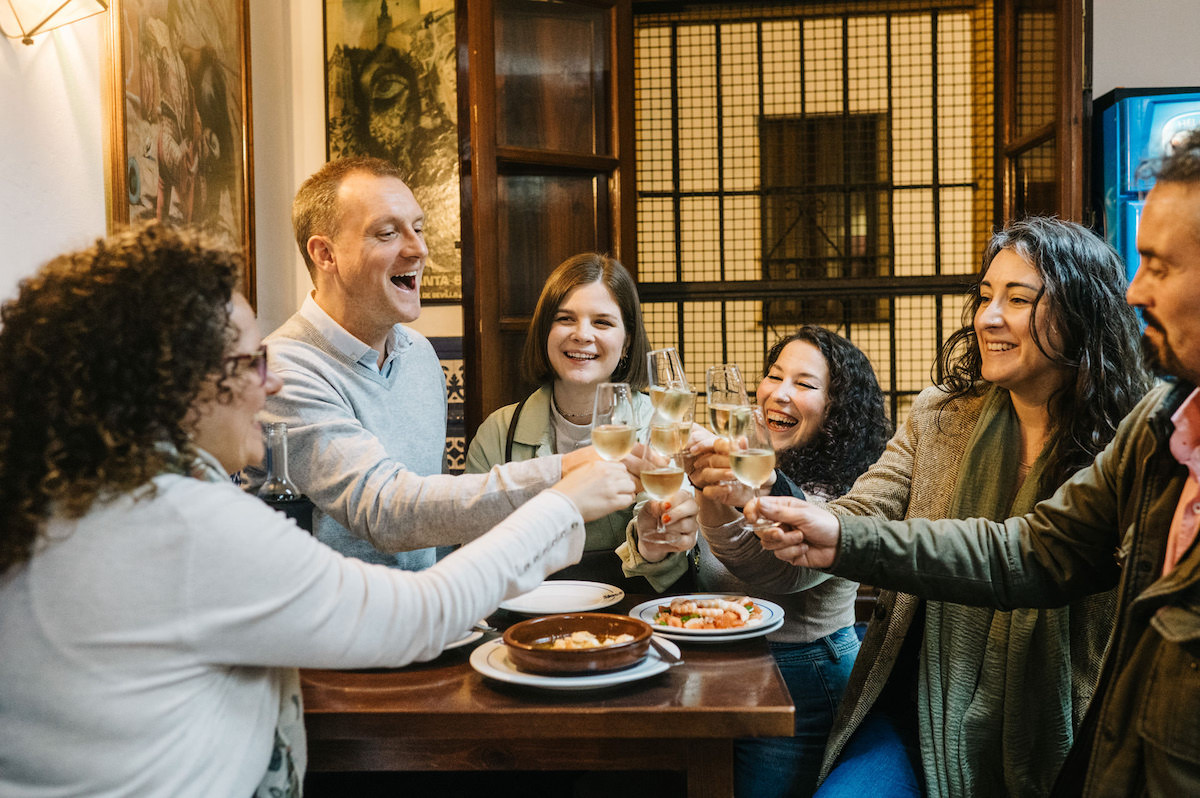
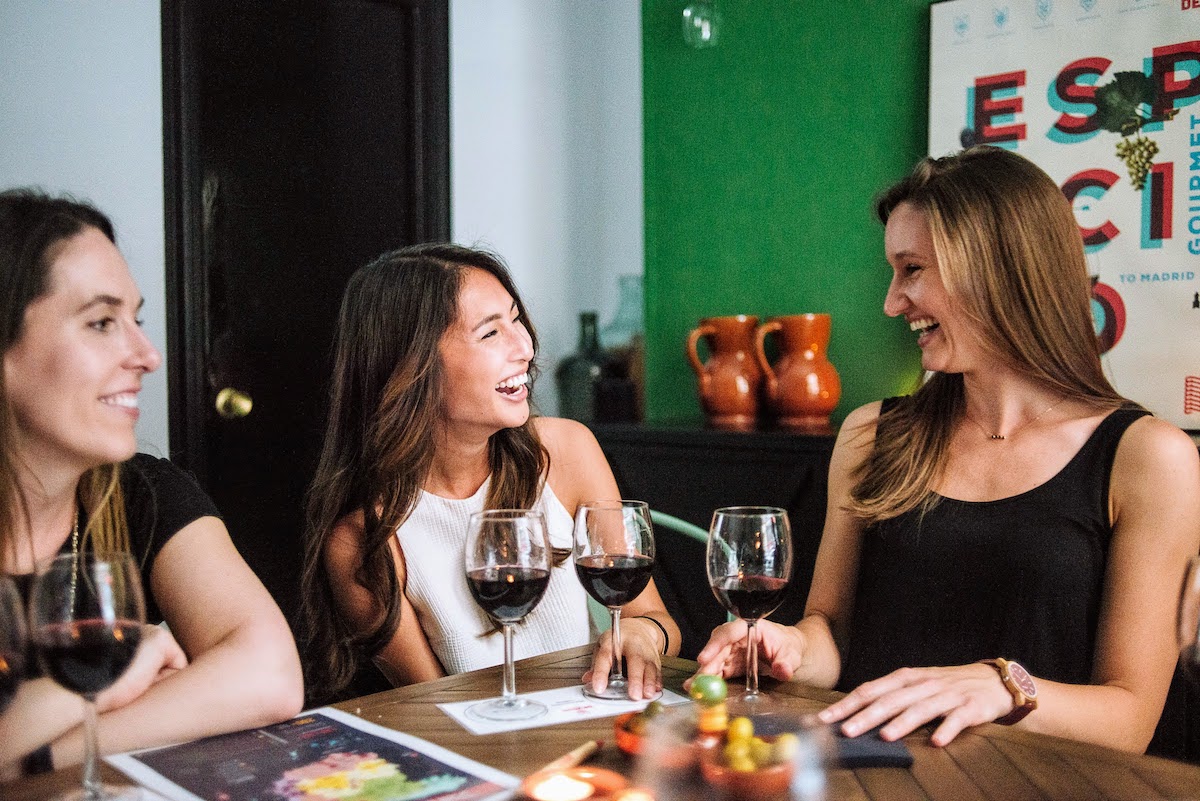
A food tour is fundamentally social. You’re sharing a table, a conversation, and an experience, often with fellow travelers and locals alike.
Good guides are storytellers first and foremost. They don’t just recite facts; they explain how food fits into daily life today, how traditions are changing, and what locals care about right now.
For solo travelers especially, food tours can also be a comfortable way to connect with people, places, and culture.
5. They Help You Eat & Travel More Responsibly
A great food tour doesn’t just show you where to eat; it can reshape how you approach food and culinary culture for the rest of your trip.
After a tour, travelers often feel more confident navigating menus, understanding local customs, and choosing where to eat independently. You learn what to look for, what questions to ask, and how to recognize quality over hype.
Just as importantly, food tours can help you travel more responsibly. In an age of mass tourism, where visitors can easily overwhelm neighborhoods without meaning to, knowing where–and how–to spend your money matters.
Devour works exclusively with small, locally owned businesses, directing travelers toward family-run establishments that are deeply rooted in their communities.
In this sense, a food tour becomes an investment: not only a foundation that improves every meal that follows, but a way to practice more thoughtful, regenerative tourism –one that supports local economies rather than contributing to the problem.
So, Are Food Tours Worth It?
If your goal is simply to eat, then maybe look elsewhere, since you can do that pretty much anywhere. But if you want to understand a destination more deeply, connect with its culture, and experience food as locals do, then a well-designed food tour is absolutely worth it.
Devour stands out by treating food not as a checklist, but as a lens–one that reveals history, identity, and daily life. For travelers on the fence, that difference matters.
And in the end, the value of a food tour isn’t measured by how full you are when it ends, but by how much richer your travel experience becomes afterward.

Want to Experience a Food Tour for Yourself?
If you want to move beyond simply eating good food and want to truly understand a destination, joining a Devour food tour is a natural next step.
Led by expert local guides, these thoughtfully paced experiences connect you with family-run businesses, historic food traditions, and the stories that shape how locals eat today. Whether you’re short on time or eager to travel more intentionally, a Devour food tour gives you insider access, cultural context, and the confidence to make the most of every meal on your trip.
Explore all of our Devour food tour locations and book a spot on one of them next time you’re traveling abroad!
Featured Tour Review: Barcelona Tapas, Taverns, & History Tour
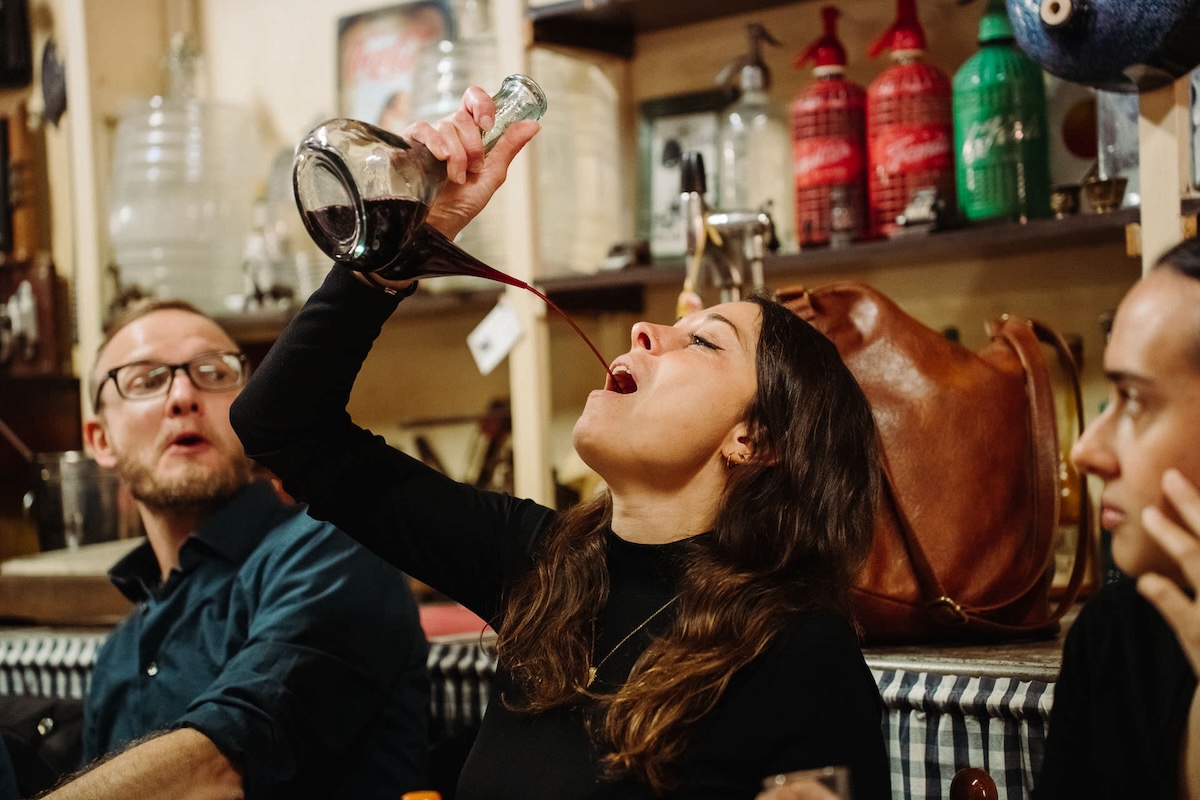
⭐⭐⭐⭐⭐ “For our last meal in Barcelona we scheduled a special treat—Devour’s Tapas, Taverns & History foodie tour—and it did not disappoint! Our guide, Alex, was superb. She led us through the Gothic Quarter—three food stops with history and culture intermingled. Each stop contained multiple delicacies and drinks. Who knew vermouth could be that good? And fried anchovies? Have you drunk from a porron? You will on this trip! Every stop was a culinary adventure. This tour must be on your Bacelona bucket list—you won’t regret it!!”
– Cathy on Tripadvisor
Devour Food Tours FAQ
Where does Devour offer food tours?
Devour runs food tours in major cities across Europe and the United States, including Barcelona, Madrid, Paris, London, Rome, NYC, and more. Check out our entire food tour destination list to see all the cities where we’re running tours.
How long do Devour food tours last?
Most Devour food tours last around 3 to 4 hours, offering a well-paced experience that balances tastings, walking, and cultural context.
Are Devour food tours suitable for all ages?
Yes. Tours are suitable for most ages, though they are best enjoyed by travelers who are comfortable walking and interested in food, history, and culture. Some tours include alcohol tastings, with non-alcoholic options available.
Is there a lot of walking in Devour food tours?
Expect a moderate amount of walking, with regular stops for tastings and discussion along the way.
Are food tours better at the start of a trip?
Many travelers find food tours especially helpful on their first day, as they offer orientation, local insight, and recommendations for the rest of the stay.