Last Updated on December 22, 2025 by Emma Fajcz | Published: December 14, 2017
With lights, presents, winter coats, and delicious food, the Christmas holidays really are the most wonderful time of the year! This ultimate guide to the winter holidays in Seville will help you understand the traditional celebrations, events, and foods that you’ll want to try when visiting Seville in December and January.

Table of Contents
Why Visit Seville in the Winter?
We’re strong believers that winter is one of the best times to visit Seville. There’s fewer tourists, which makes it easier to visit landmarks and explore the streets.
Christmas celebrations in Spain are quite different to the festive fun we’re accustomed to. Get the scoop on the extra celebrations and events celebrated in Spain in this article!
The Christmas Markets
The Christmas markets in Seville are an exciting sign of the arrival of the holidays. The most unique market in Seville has to be the Feria del Belén, where people buy figurines for the nativity scene in their homes.
Also, keep an eye out for the cagón, a recent addition to the tradition. These hidden figures, caught ‘doing their business’ in a far corner of the nativity scene, stem from a Catalan tradition of peasants fertilizing the nativity for the following year. Now they often depict famous figures from popular culture and politics. They’re a hilarious and quirky part of the winter holidays in Seville!

The Lights
The amazing lights throughout the city tend to be switched on the first week of December, and are undoubtedly one of our favorite parts of the holidays in Seville! Wandering the streets in search of the perfect Christmas gift beneath the bright sparkle of the luces de Navidad is truly magical.
But it’s the week leading up to Christmas that the lights really take center stage. Make sure not to miss the beautiful display in Plaza de San Francisco, which light up in a beautiful light and music display every hour from 7 pm each evening.

‘El Gordo’
Since 1812, on the 22nd of December every year, people all over the country wait to hear if they’ve gotten a share of Spain’s biggest lotto jackpot. Anticipation for the big El Gordo draw (literally meaning ‘The Fat One’) begins weeks in advance with the iconic (and often emotional) television ad.
The cutest part of all? The numbers are literally announced by song – very festive! Children from the Madrid San Ildefenso school sing each individual number over a 3-hour live ceremony. For many locals, the lottery is the highlight of the winter holidays in Seville, even if they don’t win!
Christmas Eve
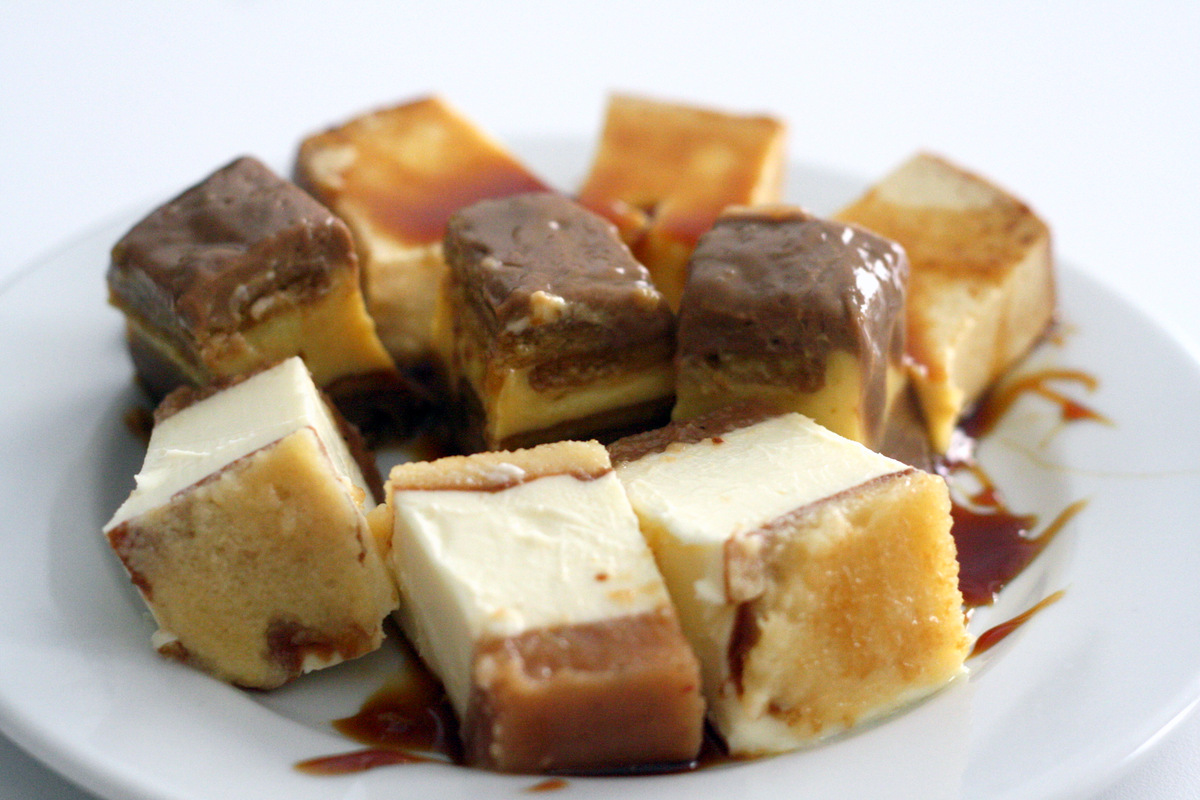
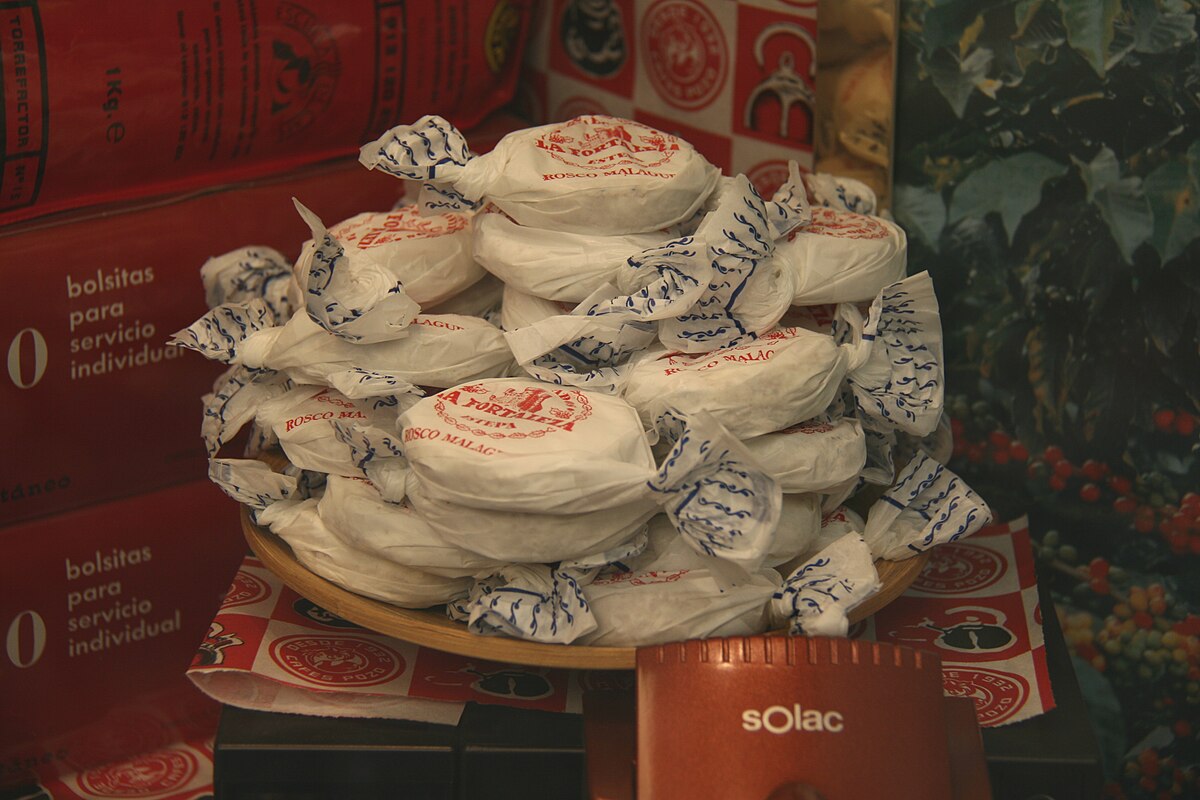
While Christmas Eve means last-minute shopping and eager anticipation of the arrival of Santa Claus for many of us, in Seville things are a bit different. Christmas Eve, or Nochebuena, is often a family celebration in the form of an enormous meal together. People also eat typical Christmas sweets like polvorones, a traditional shortbread cookie, or the iconic turrón, a delicious nougat wonder–so good!
On Christmas Eve, many restaurants will be closed, but head to Casa Robles (Calle Alvarez Quintero, 58) for a great traditional meal.
Christmas Day
Believe it or not, Christmas Day is actually not the high point of the winter holidays in Seville. Many families will sit down to another big family meal, but it’s common for people to head to a restaurant and have a meal out with friends. Christmas Day is also a great day to stroll through Seville, taking in the winter magic in the city.
However, don’t expect your presents on December 25! Gifts tend to be exchanged on January 6th, but some lucky children get one sneaky gift on Nochebuena too!

El Día de los Inocentes
The 28th of December is perhaps one of the most entertaining parts of the winter Holidays in Seville. El Día de los Inocentes is the Spanish equivalent to April Fool’s Day. People play pranks on their nearest and dearest; the classic salt and sugar swap, a shaken can of soda, etc.
You’ll also see national media publishing false news stories and plenty of false tweets trying to catch you out. Keep your wits about you!

New Year’s Eve
Seville is one of the best places to spend New Year’s Eve in Spain! Locals have (yet another) meal with family before heading to the center of the city. Many amazing restaurants have a special menu for the evening for those visiting too.
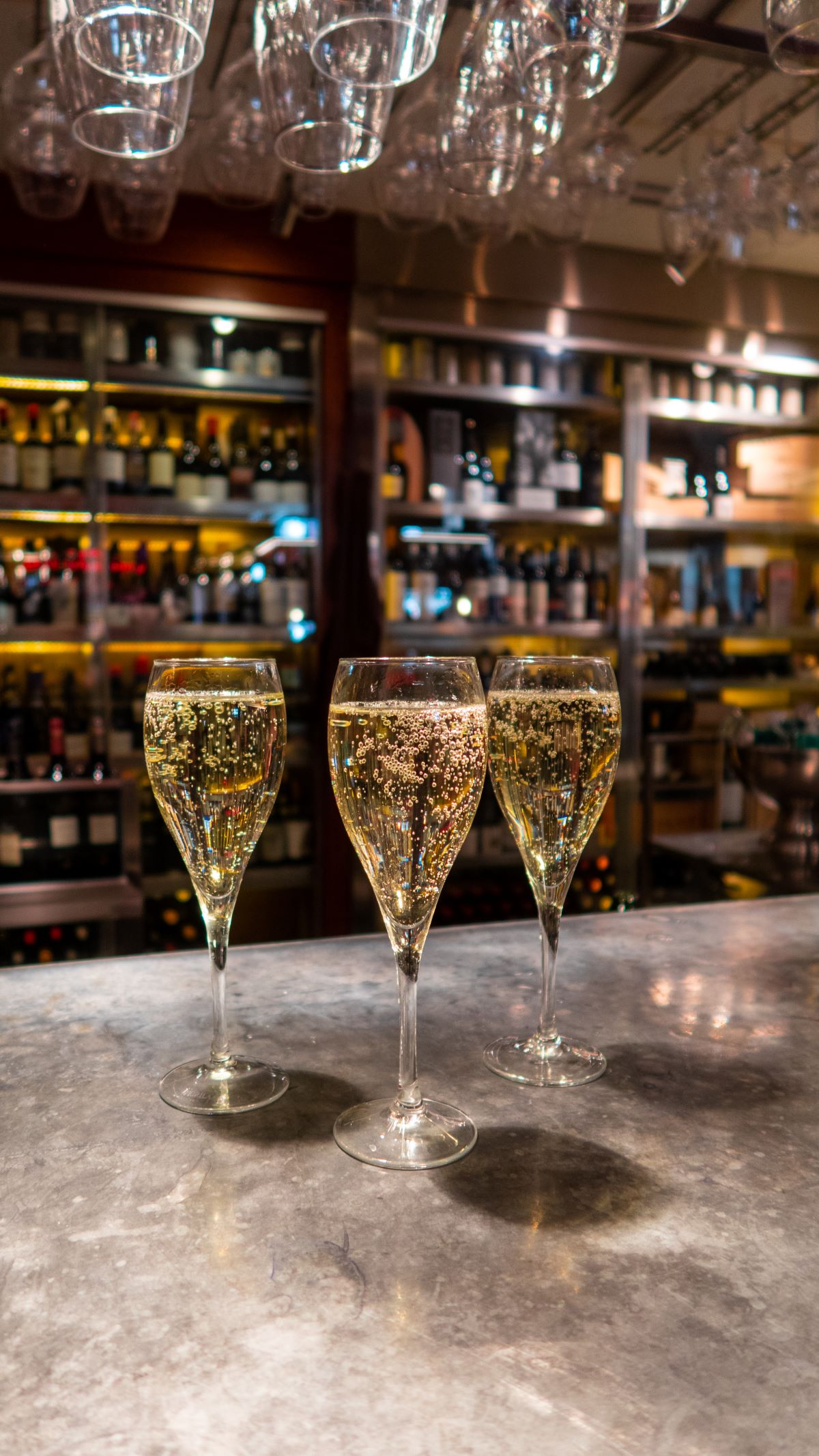
Once the food is done, you rush to a central square to ‘comer las uvas’. The long-standing tradition of eating a grape on each strike of midnight is observed all over Spain. It’s not for the faint-hearted though, managing to squeeze all twelve grapes in on time is quite a skill!
La Cabalgata de Los Reyes
The 5th of January is, for many, one of the most exciting days of the winter holidays in Seville! Traditionally, it is The Three Kings that give presents to the lucky people of Spain on January 6th. In anticipation of the gift-giving extravaganza of the following day, Los Reyes Magos mark their arrival to the city with an enormous parade.
The parade lasts for up to six hours in Seville, and people of all ages line the streets to watch the special guests arrive. The best thing of all? The generous Kings and their helpers throw sweets into the crowd as they go, making for quite a harvest of goodies.

Día de Los Reyes
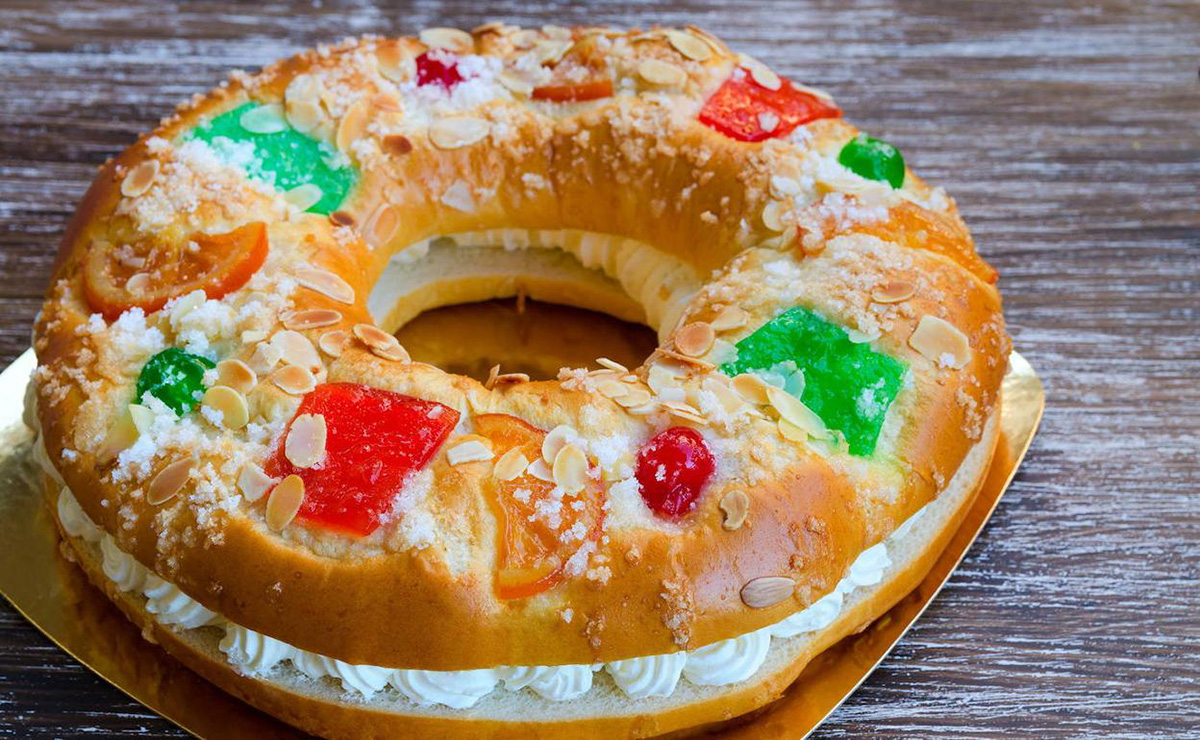
And finally, after weeks of anticipation, the big day arrives: Three King’s Day! The most iconic part of the celebration is the Roscón de Los Reyes. This delicious cake filled with cream and covered in candied fruit is generally, believe it or not, eaten for breakfast! Sounds festive to us!
There’s even hidden treasures inside! If you find the King’s hat inside the cake, you’re King or Queen for the day. However, find the faba bean, and you’re paying for next years cake! Once all the gifts are exchanged, people relax, as the festive season comes to a joyous end.
Experience Seville’s Culture Like a Local
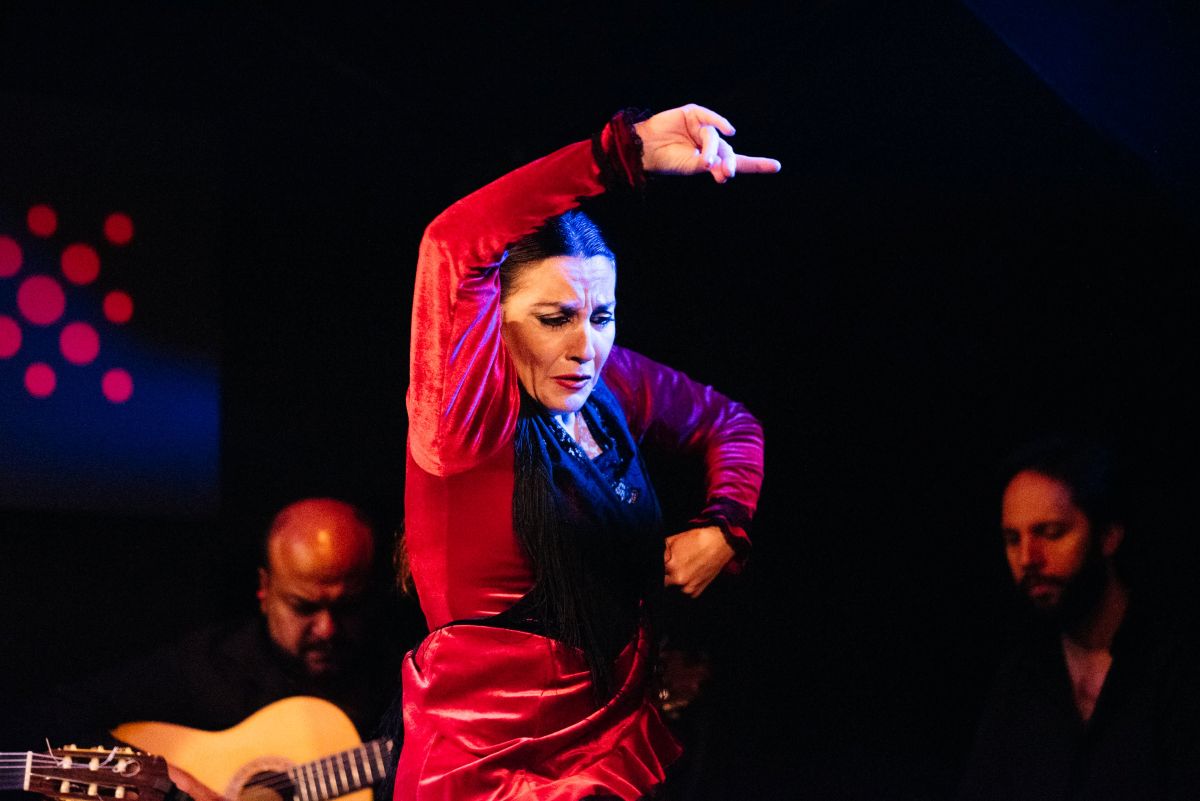
Tapas bars and flamenco shows are a dime a dozen in Seville. But if you don’t know how to tell truly great Spanish food and flamenco from the tourist traps, you’ll end up disappointed. Our Seville Tapas and Flamenco Tour will demystify both of these pillars of local culture with a friendly culinary expert to lead the way. Learn the unwritten rules of eating in Seville and get a primer in flamenco so you can fully appreciate every beat of the passionate performance you’ll see.
Featured Review: Seville Tapas & Flamenco Tour
⭐⭐⭐⭐⭐ “Excellent. Manuel was absolutely charming! He made sure the whole group stayed together. Gave us an explanation of the history of Flamenco and the dancers. Food was great and flamenco was amazing . Would highly recommend this tour with Manuel.”
– JL on Tripadvisor
Celebrating the Holidays in Seville FAQs
Does Seville celebrate Christmas?
Yes, Seville celebrates Christmas in a big way. From late November through early January, the city fills with festive lights, Nativity scenes, holiday concerts, special church services, and lively streets packed with locals enjoying seasonal treats. You’ll also find Christmas markets, illuminated plazas, and plenty of family-friendly events that make Seville one of Spain’s most lively and memorable holiday destinations.
Does Seville have a Christmas market?
Yes, Seville hosts several Christmas markets throughout the season. The most popular is the Feria del Belén near the Cathedral, where you can shop for handcrafted Nativity figures and traditional decorations. You’ll also find artisan markets in spots like Plaza Nueva and around the Setas de Sevilla, offering crafts, gifts, food, and unique souvenirs perfect for holiday shopping.
What happens on December 25th and January 6th in Spain?
December 25th (Christmas Day) is a quieter, family-focused holiday in Spain. Many shops close, and locals gather at home for a long lunch rather than exchanging gifts. The biggest celebration comes on January 6th, which is Three Kings’ Day or Día de los Reyes Magos. This is when most Spanish children receive gifts. Cities like Seville host spectacular parades (cabalgatas) featuring the Three Kings, music, and candy thrown to the crowds, making it one of the most magical events of the year.