
Last Updated on December 5, 2025 by Emma Fajcz | Published: October 11, 2025
Exploring Lisbon through its flavors is also a journey through its history. Its neighborhoods are as vibrant as the city itself, each offering a distinct taste of the city’s layered culture. Make the most of every bite with our Lisbon Neighborhood Guide for Foodies.

Table of Contents
Why You’ll Love Eating & Exploring Lisbon
- Streets Full of History: Whether you’re wandering the elegant boulevards of Baixa or the winding alleys of Alfama, you’ll love exploring the history of Lisbon through food.
- Multicultural Influences: Lisbon is a melting pot of many cultures, each bringing their unique food and music to the local culture.
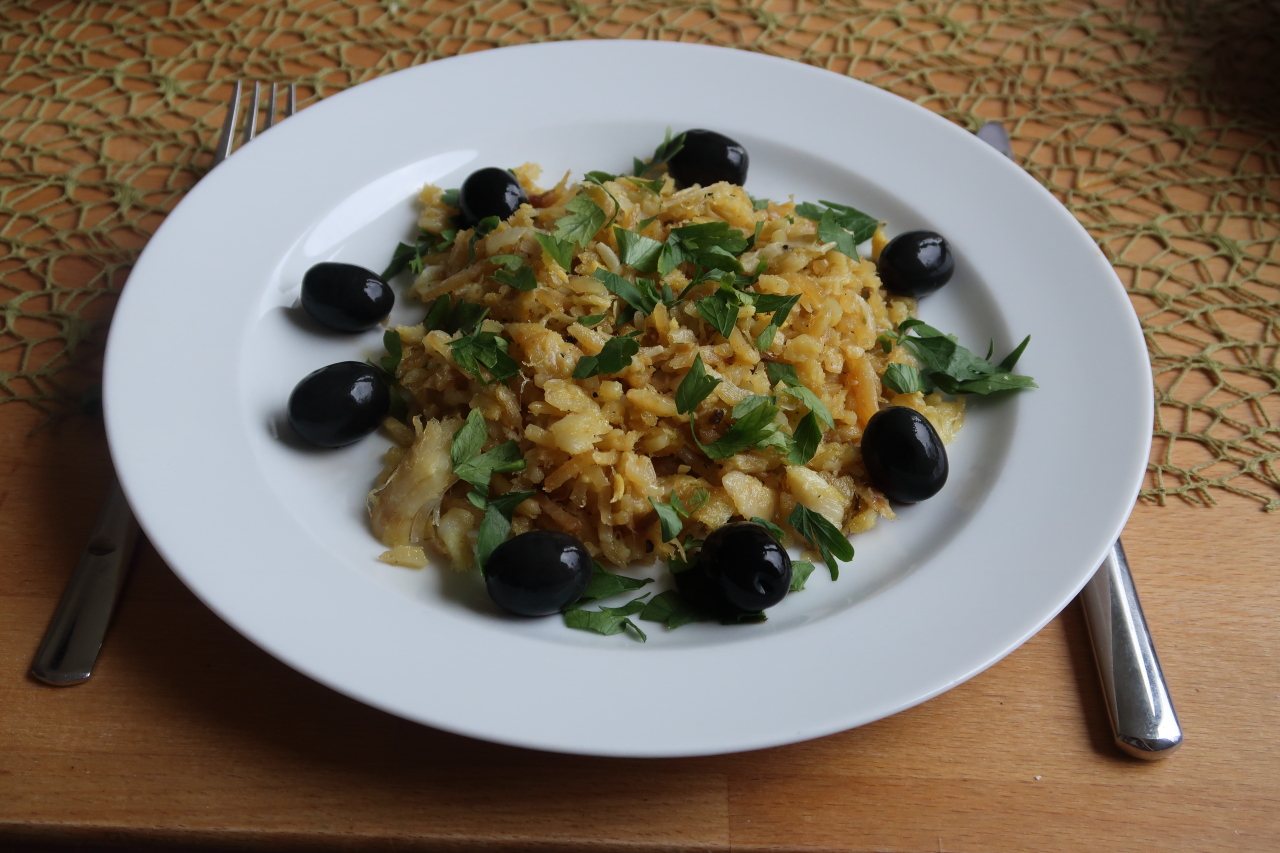
- Many Unique Dishes: There are dozens of amazing foods that you’ll only find in Portugal, like pasteis de nata, bacalhau à Brás, fado, sour cherry liqueur, and bifana.
Baixa: The Heart of Lisbon’s Downtown
Baixa is the city’s most central neighborhood. It offers many culinary gems, making it a key stop in any Lisbon Neighborhoods Guide for exploring the city’s flavors and historic streets. Rebuilt after the 1755 earthquake under the Marquis of Pombal, it’s known for its distinctive Pombaline architecture, with spacious avenues, neoclassical façades, and elegant squares like Praça do Comércio and Rossio. It’s also home to a bountiful array of Portuguese culinary traditions to sink your teeth into.
The sunny streets of Baixa, in Lisbon. Photo credit: Venet Osmani
On our Lisbon Tastes and Traditions Tour, we start off the morning at one of Baixa’s most beloved confeitarias, which dates back to 1829, to try some of the city’s most emblematic baked goods, pão de deus (a sweet coconut-topped brioche), bolo de arroz (a light rice flour cake), or bola de berlim –a pillowy custard-filled donut.
A few other bakeries worth stopping by include Santo António, famous for their award-winning pasteis de nata, and Fora, where you’ll find a modern take on traditional pastries alongside espresso.

Rua dos Bacalhoeiros
Another area worth exploring in Baixa is Rua dos Bacalhoeiros, one of the neighborhood’s most historic streets. Once part of the Ribeira Velha, this lively area was home to Lisbon’s fish market before the 1755 earthquake. Its name, which means “cod merchants,” recalls its centuries-old role in the city’s cod trade, a cornerstone of Portuguese cuisine that linked Lisbon to the northern seas.
Today, the street is still dotted with traditional mercearias and bacalhau shops that preserve the art of salting, curing, and aging –not just cod, but also local cheeses and hams.
On our Lisbon Tastes and Traditions Tour, we stop by a nearby shop to learn more about the history of the cod trade, and even get to sample some of those very same specialties that continue to define Lisbon’s culinary identity today, like tinned sardines.

Chiado: Historic Charm, Literary Legacy, and Classic Cuisine
Chiado is Lisbon’s elegant and intellectual hub, a neighborhood where historic architecture blends with a lively, artistic vibe. Once the gathering place of poets and artists, today it’s filled with theaters, historic cafés, and boutique-lined streets.
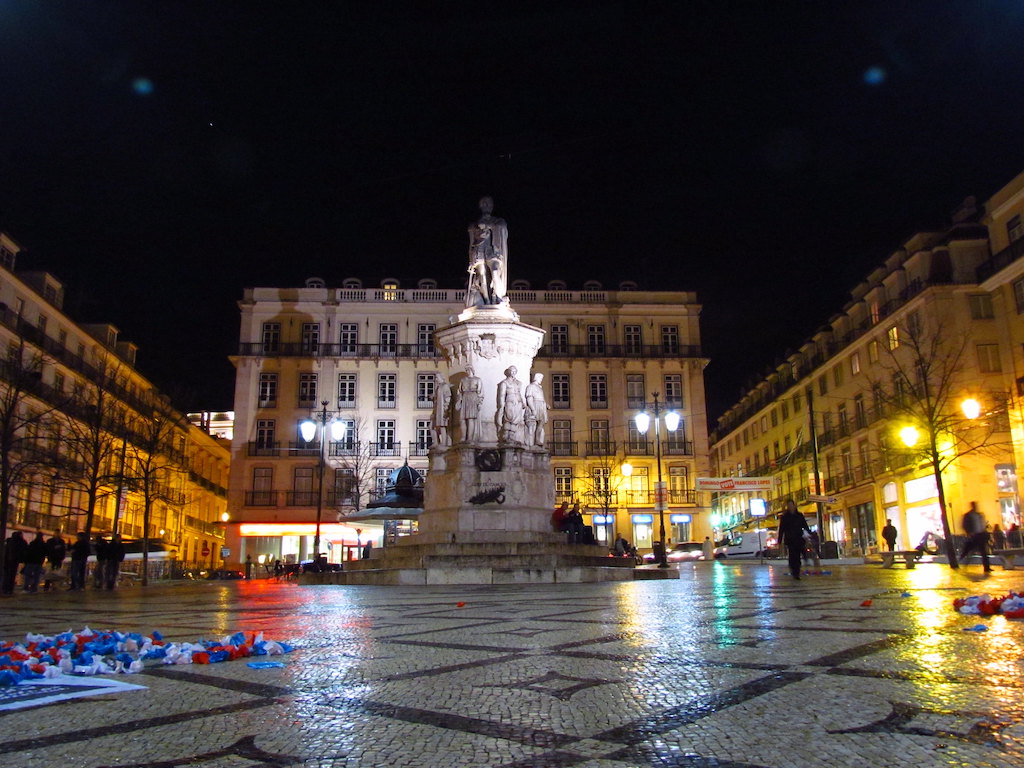
Amid the literary landmarks, like Café A Brasileira, where poet Fernando Pessoa once sipped his coffee, and Livraria Bertrand, the world’s oldest operating bookstore, you’ll also find no-frills eateries serving Lisbon’s classic comfort foods.
One highlight is the bifana, a garlicky pork sandwich simmered in white wine and served in a crusty roll. On our Lisbon Tastes & Traditions tour, guests can taste them fresh at one of the city’s top spots, savoring the simple flavors that have made this sandwich a local favorite for generations.
Garlic-flavored pork with hints of spice and rustic bread in each bite make the bifana our go-to snack in Lisbon.
Insider Tip: Pair your bifana with an ice-cold beer at O Trevo, which was one of Anthony Bourdain’s favorite Lisbon spots, a perfect way to experience Chiado’s culinary side alongside its cultural charm.
Chiado is also home to some of the city’s best pastéis de nata, Portugal’s iconic custard tarts.
On our Lisbon Tastes and Traditions Tour, we visit one of Lisbon’s most famous spots where you can watch the tarts being baked to golden perfection and enjoy one straight from the oven, dusted with cinnamon for the full experience.
Don’t worry, you’ll still be able to find your pasteis de nata, but you’ll also discover so much more. Photo credit: Felix Kolthoff
Mouraria: Music, Multiculturalism, and Flavor
After exploring Baixa and Chiado, head uphill to Mouraria, one of Lisbon’s oldest neighborhoods. Its roots trace back to the 12th century when it was home to the city’s Moorish population after the Reconquista.
Its lively streets, with winding alleys and tiled façades, reflect the many communities. Both old and new, they have shaped the area over the centuries giving Mouraria its vibrant, multicultural personality.
The Castelo São Jorge looms over Lisbon from its perch on a hill. Photo credit: FP
Insider Tip: Stop at Cantinho do Aziz for some of Lisbon’s best Mozambican food, a taste of the neighborhood’s Mozambican community and its diverse heritage.
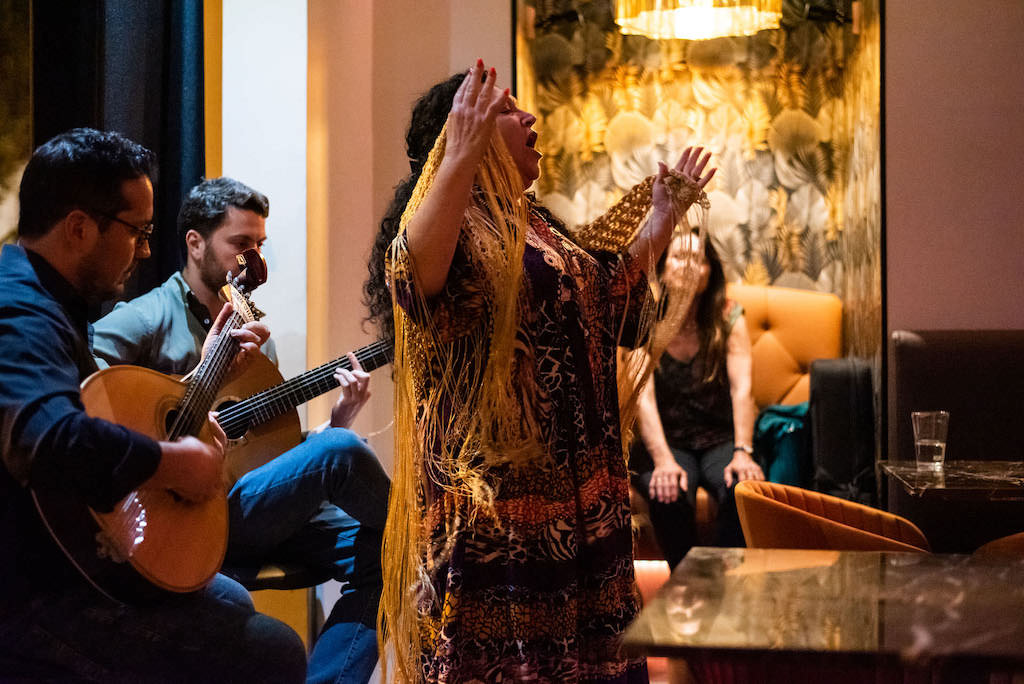
Believed by many to be the birthplace of fado, Mouraria is where the city’s earliest fadistas sang of love, longing, and the hardships of everyday life. You’ll enjoy visiting historic sites like the former home of Maria Severa, widely recognized as Lisbon’s first fadista.
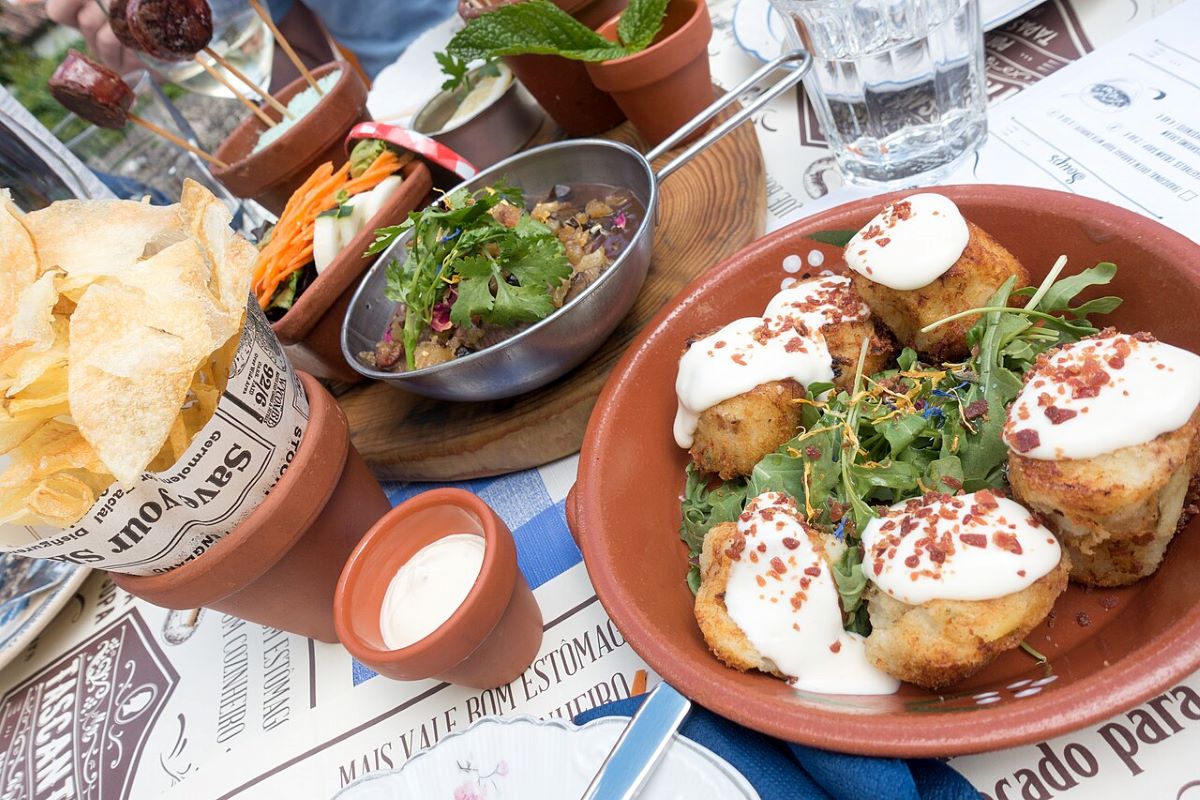
Mouraria is also one of the best areas to try petiscos,or Portuguese snacks such as cod croquettes, clams in garlic and cilantro, or sautéed pork and beef. Stop at a local family-run tasca to get a taste of Mouraria’s culinary heritage!
Alfama: Where Fado, Food, and History Intertwine
While Mouraria is considered the birthplace of fado, Alfama represents its enduring pulse today.
Perched above the Tagus River, Alfama offers stunning views of the city. Stop at miradouros like Santa Luzia and Portas do Sol. They offer sweeping vistas of the river and the neighborhood’s rooftops, the ideal vantage point before diving into Alfama’s music and cuisine.
Fado is everywhere in Alfama. Photo credit: João Reguengos
No visit to Lisbon is complete without tasting ginjinha, the city’s beloved sour cherry liqueur, and Alfama is a great place to try it out. Sip this traditional drink, and get a taste of true neighborhood life.

And of course, a visit to a traditional fado house is a must in Alfama. Here music, food, and history come together! Taste grilled sardines or bacalhau à brás all while listening to live fado, as music, food, and history converge to provide a full sensory immersion into Lisbon’s soul and the emotion of saudade that defines its musical heritage.
Alfama, with its panoramic vistas and fado-filled streets, is a perfect example of the history, culture, and flavors found throughout Lisbon neighborhoods.
The Best Way to Experience Lisbon’s Neighborhoods
To experience Lisbon is to taste it. Join one of our top-ranked food tours and discover the “City of the Seven Hills” through its flavors. Whether it’s a warm pastel de nata in Baixa, a bifana sandwich in Chiado, or dinner with fado in Alfama.
Our local guides will help you uncover the unique history, culture, and character of each neighborhood. You will truly connect with the city’s essence and the people who bring it to life.

Featured Review: Ultimate Lisbon Food & History Tour of Baixa & Chiado
⭐⭐⭐⭐⭐ “A great experience with Nina our tour guide. Highly recommend to anyone wanting to see the city and get a taste of the local food.”
– Patrick on Tripadvisor
FAQs
What is the best way to get around Lisbon?
Lisbon is an easy city to explore on foot, especially in neighborhoods like Baixa, Chiado, Mouraria, and Alfama. For longer distances, the city’s trams and metro lines provide quick and convenient connections.
Do I need to know Portuguese?
English is widely spoken in restaurants, cafés, and on tours. That said, learning a few basic phrases like “obrigado” (thank you) or “bom dia” (good morning) is always appreciated by locals.
Where should I stay?
Lisbon offers a variety of great areas depending on your travel style. The four neighborhoods featured in our Lisbon Neighborhoods Guide are among the best areas to stay. Each offering its own blend of history, culture, local flavor, and proximity to the city center.
What’s the best time of year to visit?
The best time to visit Lisbon is spring or fall, when the weather is mild and crowds are smaller. It’s the perfect season to exploreour Lisbon Neighborhoods Guide, from Baixa’s broad avenues to Alfama’s fado-filled alleys.