Last Updated on August 7, 2026 by Emma Fajcz | Published: June 11, 2021
Your bags are packed, your tickets are booked, and you’re counting the days until you arrive in Spain. All that’s left to do is brush up on those important Spanish phrases—like how to order drinks in Spanish! Eating and drinking are at the heart of the Spanish cultural experience (some might even call it a national pastime), so here’s everything you need to know to navigate the Madrid bar scene like a pro!

At a Glance: How to Order Drinks Like a Local in Spain
- 🍺 Beer (Cerveza): Order “una caña” for the classic small draft beer that most Spaniards drink with tapas, “una doble” for a larger pour, or “un botellín” for a bottle. Expect to pay about €2–4 for a caña and €3–5 for a larger beer in Madrid.
- 🍷 Wine (Vino): Spaniards usually order wine by region, not grape. Try “una copa de Rioja”, “Ribera del Duero”, “Albariño”, or “una copa de vermut” before lunch. A glass of house wine typically costs €3–5, while premium wines start around €5–8.
- ☕ Coffee (Café): Order like a local with “un café con leche” (half coffee, half milk), “un cortado” (espresso with a splash of milk), or “un café solo” (espresso). Coffee generally costs €1.50–3, depending on location.
- 🍎 Cider (Sidra): In northern Spain, especially Asturias, ask for “una sidra” to enjoy Spain’s traditional natural cider. You’ll find it at many restaurants and cider bars, usually for €3–6 per glass or €8–15 per bottle.
- 🥤 Non-Alcoholic Drinks: Ask for “agua con gas” (sparkling water), “agua de grifo” (tap water), “un zumo de naranja” (orange juice), “un mosto” (grape juice), or “una cerveza sin” (alcohol-free beer). Most soft drinks cost around €2–4, while bottled water is typically €1.50–3.
- ❌ Common Mistakes to Avoid: Skip the sangria and order a tinto de verano if you want to drink like a local during the warmer months. Also, don’t expect free tapas with every drink in Madrid; many bars now serve only olives or chips unless you order food separately.
- ✅ Local Tip for Ordering: Don’t overthink your grammar; Spaniards are wonderfully direct when ordering a drink. Simply saying “Ponme una caña, por favor” (“Get me a small beer, please”) or “Quiero una copa de Rioja” is perfectly natural.
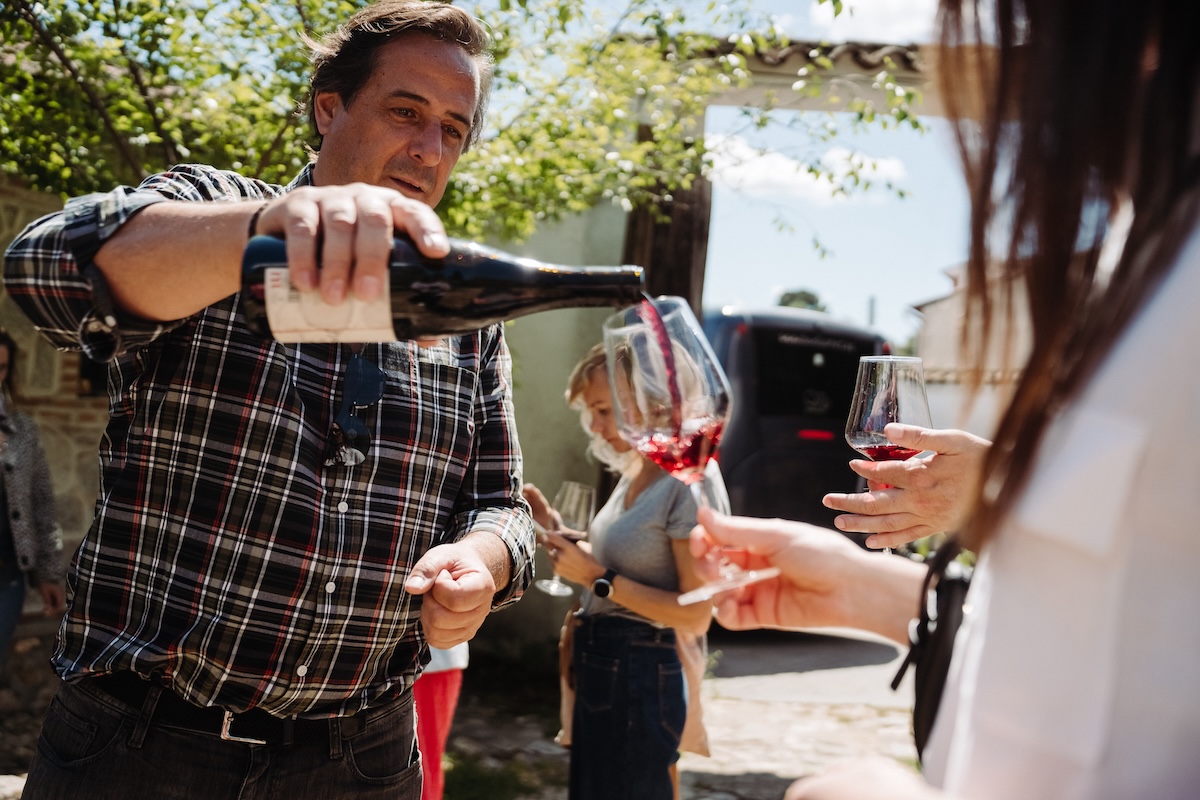
Ordering Drinks in Spanish: The Basics
If the thought of having to order a drink in Spanish has you sweating bullets, take a deep breath and relax. Once you learn a few key terms and phrases, it’s much easier than you might think.
To start, the bartender makes eye contact with you, or your server approaches your table. Here’s how the exchange will most likely begin:
- ¿Qué quieres beber? – What do you want to drink?
- ¿Qué quieres tomar? – What do you want to have?
- ¿Qué te pongo? – What can I get for you?
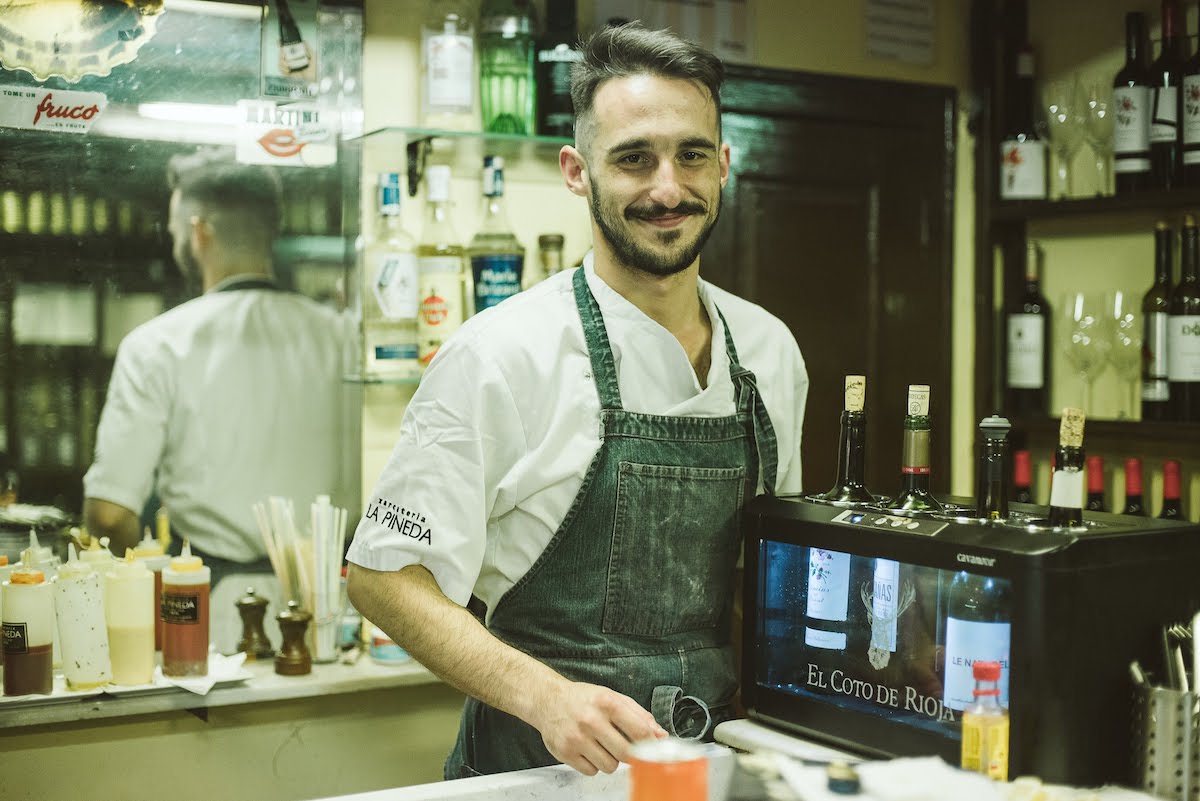
In Spain, there’s no need for formalities. While it may be basic instinct to order with a polite I’ll have a…, you can directly use a Spanish command instead. Ask and you shall receive.
- Dame… — Give me…
- Quiero… — I want…
- Ponme… — Get me…
For example: Ponme una caña — Get me a small draft beer (more on ordering beer in a bit!).
If you’re unable to remember any of these phrases for ordering drinks in Spanish, simply asking for the beverage by name will suffice. Following up with por favor is always appreciated.
For example: Una caña, por favor — A small draft beer, please.

How to Order a Beer in Spanish
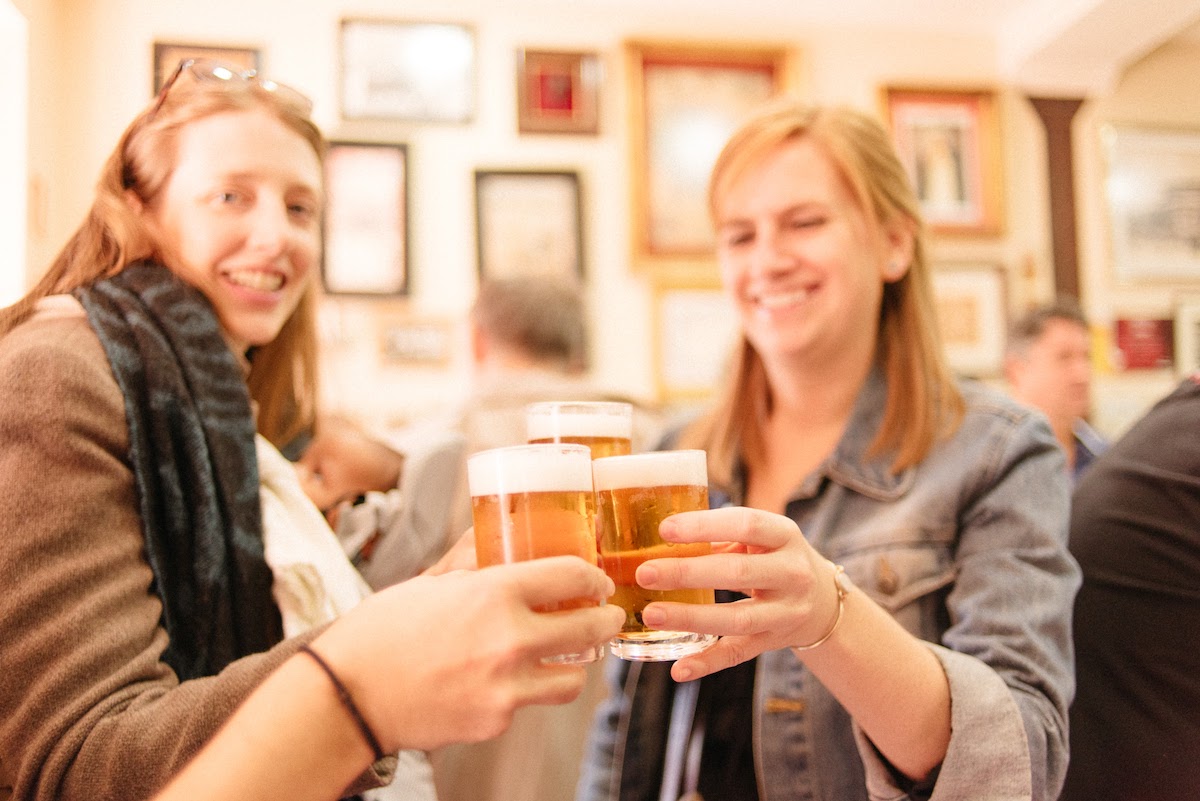
The majority of Spanish bars have just one or two beers on tap. The exact brand varies by location, and in Madrid, Mahou is king.
The variation (and challenge) comes in ordering your desired size or mixer. As tempting as it may be to embrace simplicity and ask for a cerveza, it’s a bit more involved than that. Here is a breakdown of the lingo needed to get what you want:
- Caña: A small draft beer. Generally 150–200 ml (5–7 oz), but this can vary by city, or even by bar!
- Doble: Technically double the size of a caña, but varies depending on the establishment.
- Jarra: A mug of beer; at least equal to a pint. This is generally the largest draft beer sold.
- Botellín: Bottled beer.
- Clara con limón: An extremely popular and refreshing mix of beer and lemonade. Spain’s answer to a shandy or radler.
- Cerveza sin: Alcohol-free beer. Typically only available in a bottle, this is the only time you’ll order using the word cerveza!
Insider’s Tip: Most Spaniards will opt for a caña when ordering beer. Its small size allows for it to stay perfectly chilled in the amount of time it’ll likely take you to finish one tapa.
How to Order Wine in Spanish
What would a guide to ordering drinks in Spanish be without wine? Spanish wine has become world famous in recent years, and for good reason. From sparkling cavas to full-bodied Riojas and the full spectrum of sherry, the world of Spanish vino is as endless as it is fascinating.
Most Madrid eateries boast a decent selection of wine, and there are plenty of excellent wine bars in Madrid worth exploring if you’re a bona-fide enophile.
In Spain, the vast majority of wine is ordered by the region—not by the grape. There are a handful of exceptions, the most notable being albariño (a white wine from Galicia). You’ll also need to specify how much wine you want.
- Una copa: A glass of wine
- Una botella: A bottle of wine
For example: Quiero una copa de Rioja — I want a glass of Rioja.
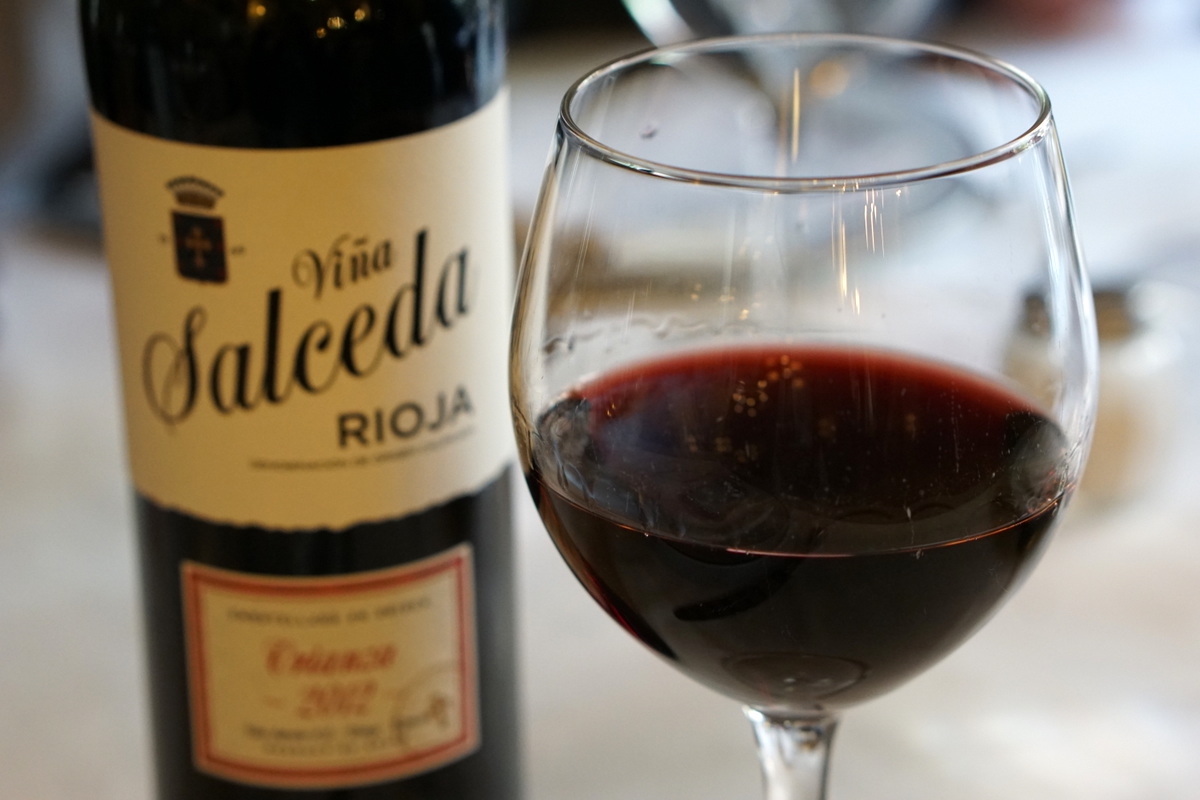
Here are a few more words and phrases that may come in handy when ordering wine in Spain. Be sure to check out our full guide to Spanish wine terms for even more!
- Vino tinto: Red wine (if you order this, they’ll most likely give you the house red).
- Vino blanco: White wine (if you order this, they’ll most likely give you the house white).
- Cava: Sparkling wine, the majority of which is made in Catalonia.
- Joven: Young wine that has no aging.
- Crianza: The second-youngest wine, with at least two years of aging for reds and 18 months for whites, with at least six months spent in oak in both cases.
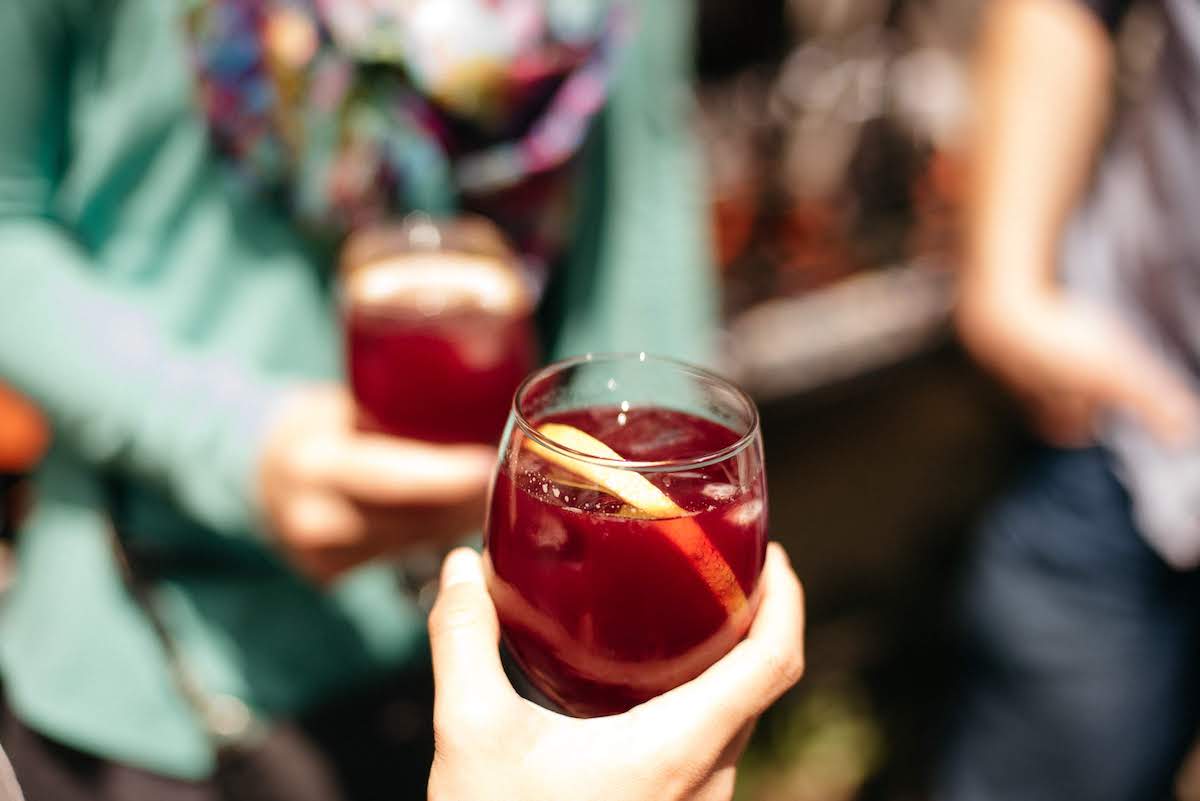
Insider’s Tip: Spaniards rarely drink sangria. If you really want to look like you know how to order drinks in Spanish, ask for a tinto (de verano) con limón. One of the most typical drinks in Spain, tinto de verano is red wine mixed with lemon soda—a refreshing (and much more authentic) alternative to sangria.
Spanish Fortified Wines
Looking for something beyond your typical reds and whites? Spanish fortified wines are excellent options, particularly for an aperitif. One drink that has gained lots of popularity in recent years is refreshingly bittersweet Spanish vermouth. It comes in one of two styles:
- Vermut de grifo: Vermouth on tap
- Vermut de botella: Vermouth from a bottle
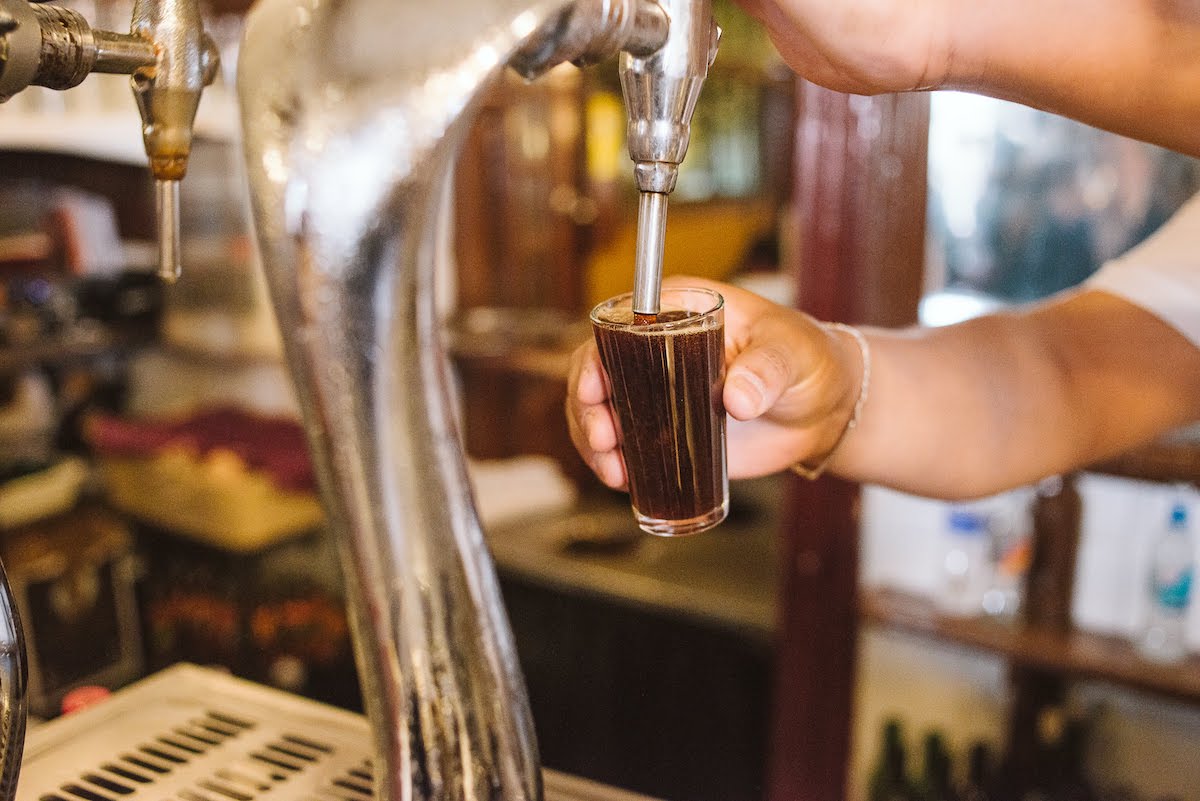
And then there’s sherry. Hailing from the sunny southwestern corner of Spain, sherry (vino de Jerez in Spanish) comes in a whole spectrum of colors and flavors. These drinks are typically ordered by their style.
- Manzanilla: One of the driest sherries. Pale yellow in color, it is produced exclusively in the seaside town of Sanlúcar de Barrameda.
- Fino: Another dry sherry that is the same as manzanilla, but produced elsewhere in the region
- Amontillado: A dry but intense topaz-colored sherry
- Oloroso: Amber colored and nutty in flavor
- Palo cortado: A sort of cross between amontillado and oloroso
- Cream: A sweet, darkly colored sherry
- Pedro Ximénez: The sweetest and darkest in color of all sherries
For example: Un amontillado, por favor — Amontillado sherry, please.
How to Order Cocktails & Mixed Drinks in Spanish
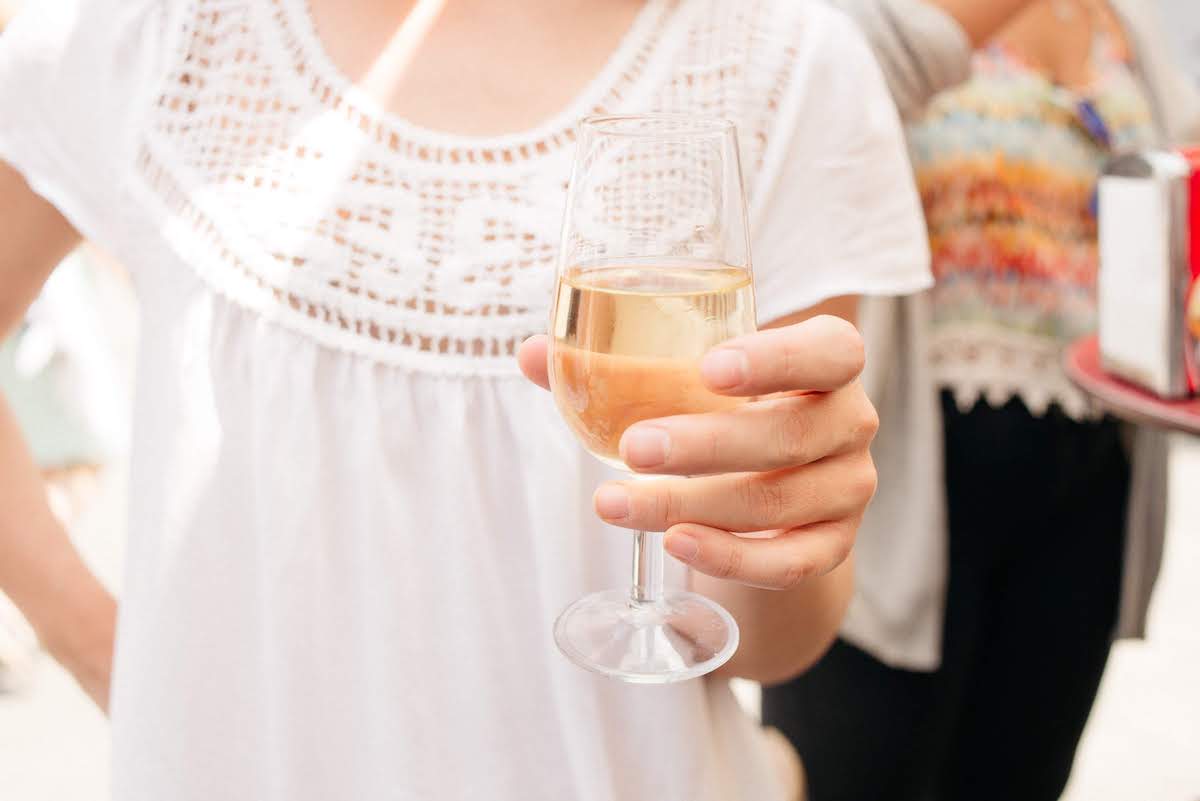
We love beer and wine, but sometimes you need something stronger. Whether you’re winding down from a long day or in the middle of a night out in Madrid, a copa (mixed drink) is just the ticket.
While the majority of Madrid’s alcoholic beverages are undersized, copas are not. Consider yourself warned: ask for a copa, and you’ll be getting a mixed drink in a goblet the size of your head.
One thing that’s unique about ordering mixed drinks in Spain is that you’ll need to specify what brand of alcohol you want. For example, instead of ordering a rum and coke you’d order a “Barceló con Coca Cola.”
The superstar of the Madrid cocktail scene has long been the classic gin and tonic (gin tonic, for when you’re ordering drinks in Spanish). However, bars boasting specialty cocktails can be found throughout the city. One of our favorites is 1862 Dry Bar, which is located in the happening Malasaña neighborhood.
Of course, if you need some water to balance out all that alcohol, don’t be afraid to ask for un vaso de agua.

Cider House Rules
If we are talking about drinking local in Spain, then a word has to be said about cider.
There is a long history of cider drinking in the country, and understandably the majority of the cider culture comes from the luscious green landscapes found in the north of Spain, in provinces like Asturias and the Basque Country.
When you say cider to most Spaniards they will think of hard cider, which has just enough fizz and bite to intrigue your tastebuds. In the north, part of its novelty is that to achieve this, cider is poured at a height with your glass angled enough for the stream to hit the side of your glass (and hopefully not end up on the floor!)
Although bartenders pouring cider isn’t commonplace in the capital, Madrid being the melting pot it is has many a bar where you can get a taste while you are in town. Some of our favorites are the famous Casa Mingo, El Escarpin, and La Chalana near to the Bernabeu where the bar menu will get you at least 6 culines (you usually fill a cider glass to about an inch called a culin) and a plate of shrimp for under 10€.
Ordering Non-Alcoholic Drinks in Spanish
Last but not least in our guide to ordering drinks in Spanish, let’s talk some non-alcoholic options.
Non-Alcoholic Beer, Juice, & Soda
The undisputed king of drinks like this in Spain is non-alcoholic beer. As beer is such a stalwart of the drinking scene here, it is commonplace to find cerveza sin alcohol on tap right next to the one or two draft options available.
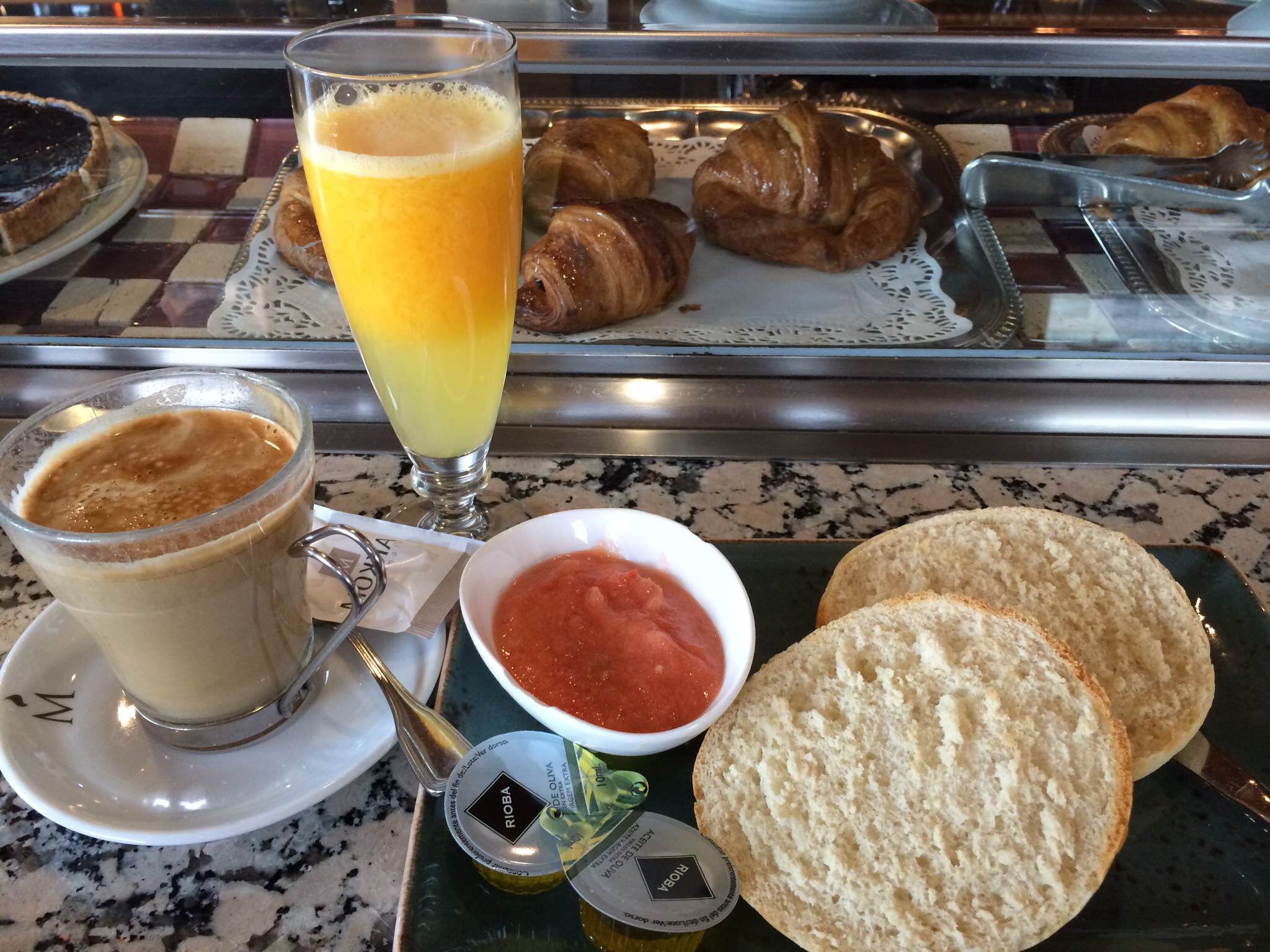
To order fruit juice, you can simply ask for zumo de… followed by the name of the fruit in Spanish. A common example is zumo de naranja (orange juice). If you want to sound even more like a local, order un mosto a sweet grape juice that can become surprisingly addictive.
Soft drinks are almost always ordered by their brand name. Ask for una Coca Cola, un 7Up, or any other soda you prefer. This is also true for iced tea, which Spaniards will usually order by asking for un Nestea. Another local still option is Aquarius, which is in the vein of a Gatorade, and only comes in a lemon or orange variety.
Ordering Water
It is common to hear visitors complaining about the lack of water provided at restaurants, so be prepared. Given the many distractions of the liquid variety to be found in this country, there isn’t an expectation that you will want it.
When you do order water, you can easily find yourself with a 1.5-liter glass bottle, which is no use if you plan to explore the city later, so here is the lowdown. For tap water, ask for agua de grifo, or una jarra de agua for a pitcher. If you are happy with a bottle, just ask for agua.
Sparkling water is common also, with Spain having pedigree in the area (Vichy Catalan is regularly included among the best sparkling waters in the world). So if you fancy some bubbles go for some agua con gas.

Tea & Coffee Options in Spain
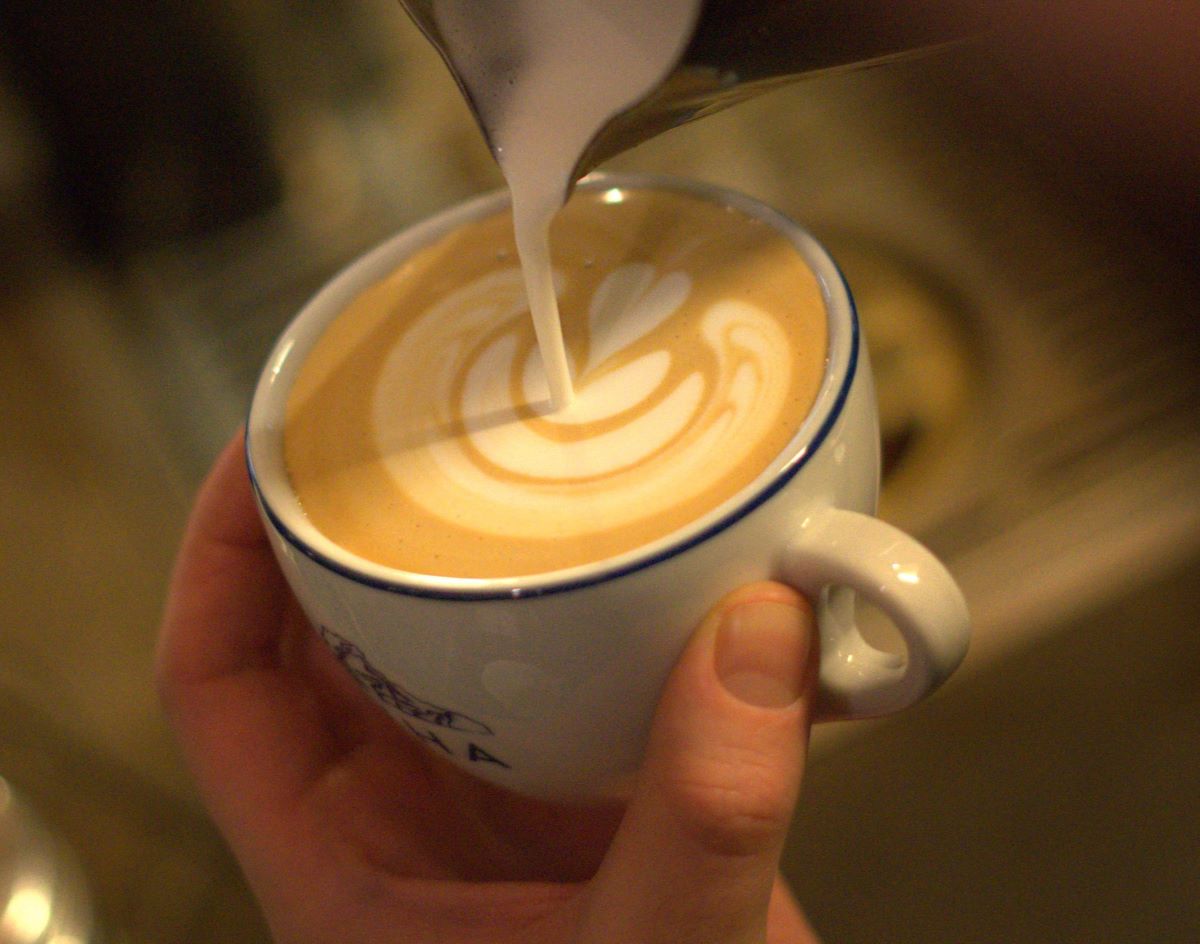
Last but not least, coffee drinks in Spain are categorized based on how much milk they have. The most popular option is a café con leche, which is half coffee and half milk. If that doesn’t sound like your cup of joe, check out our full guide to ordering coffee in Spain for more options!
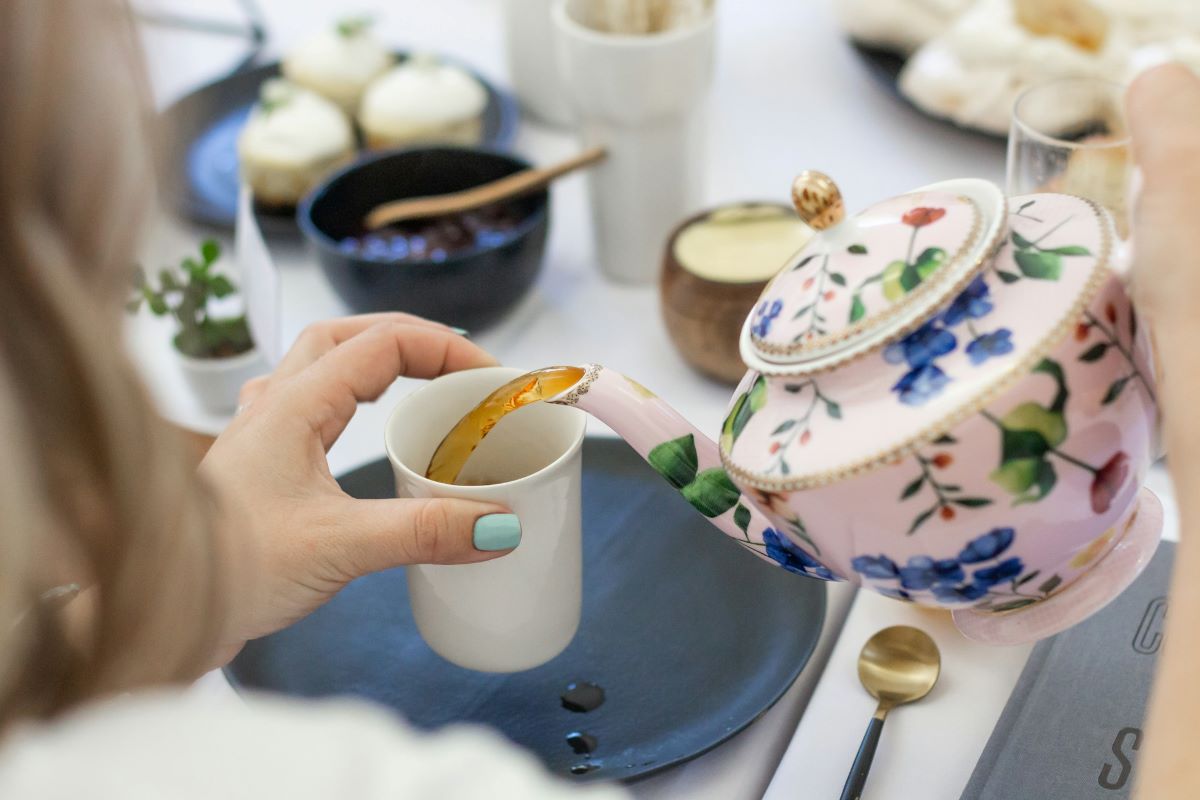
Most teas and infusions have direct translations, and most of the time they’re quite literal.
- Té negro: Black tea
- Té verde: Green tea
- Earl Grey: Earl Grey tea
- Manzanilla: Chamomile
Eat at the World’s Oldest Restaurant With Us
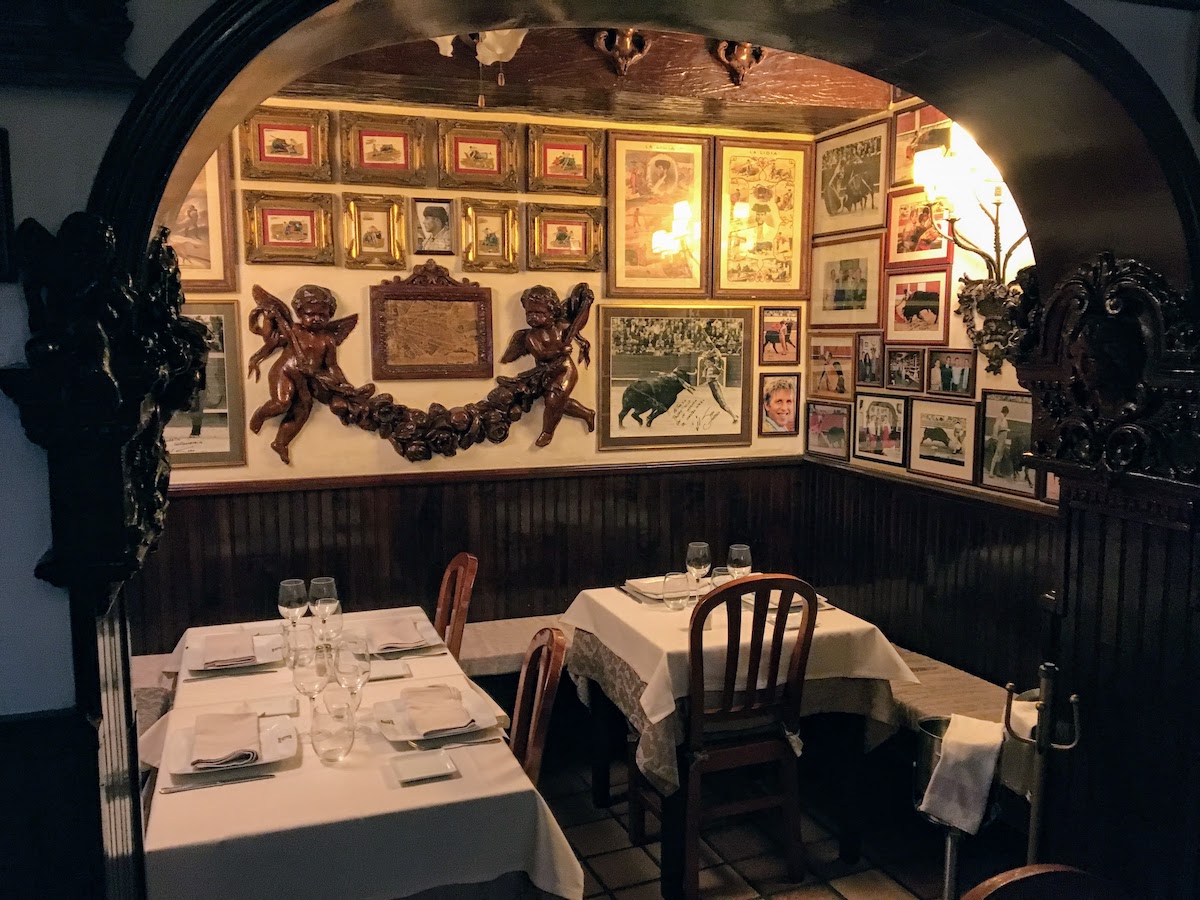
A table at the world’s oldest restaurant is normally booked out months in advance. Our Madrid Tapas, Taverns, & History Tour with Botín Access gets you inside before it opens!
Along the way, taste vermouth in a building once home to Spain’s most celebrated novelist, and garlic shrimp at the tavern where the dish was invented. The evening finishes with a full sit-down dinner at Botín once the doors open to the public.
How to Order Drinks in Spanish FAQs
Spaniards tend to be very direct, and ordering drinks is no different. Use words like dame (give me), ponme (get me), or quiero (I want) before specifying your drink of choice.
If you’re seated or standing at the bar, you can simply catch the bartender’s eye and ask for otro (literally “another”). If you’re at a table, especially seated with several people who all have different drinks, it helps to be more specific: Otro tinto de verano, por favor.
The Spanish noun for drink is una bebida, and the verb form (to drink) is beber. The verb tomar (literally “to have”) is also commonly used in the context of drinking. A bartender or server will usually ask “¿Qué quieres tomar?” or “¿Qué quieres beber?” to ask what you want to drink.
After reading our summary of what and how to order drinks in Spanish we hope you can now board your plane, safe in the knowledge you won’t die of thirst!