Last Updated on April 16, 2026 by Emma Fajcz | Published: September 19, 2019
Name the most iconic foods of France, and you’ll definitely mention the baguette. It’s one of the most recognizable foods around the world, and one of the best parts of any trip to Paris. We’re huge fans of freshly baked, crusty baguettes, and we also love learning everything about them! Here are the 5 curious facts about French baguettes that you may never have heard of before.

Visiting Paris soon? Check out our top 5 picks for the best baguettes in Paris. Remember: freshly baked baguettes are so dangerously tasty that common advice is to buy an extra one, since you’re probably going to eat one on the walk home from the boulangerie anyway!
Table of Contents
1. Parisian Bakers Had Restricted Holidays Until 2015
Would it surprise you to know that the French Revolution controlled bakers’ summer holidays until 2015? Before then, bread bakers in Paris had to stagger their summer vacation time. Parisians need their daily bread, and the idea of all of the bakeries closing at the same time is the stuff of nightmares. The law said that each year half the bakers could go on vacation in July, and the other half in August. Now that’s a well-earned baguette-away!
It turns out that this law was first introduced in 1790! The previous year, a Parisian baker named Denis François had been killed by a mob that was angry because he hadn’t opened his store. Say what you want about Paris, but you can’t deny that we love bread!
The next year, the law was passed to ensure that no matter the season, there would still be bread on the city streets. Any baker who took vacation time outside of their allotted dates received an €11 fine every day that they stayed shut. That’s some serious dough!
But finally, in 2015, the French government decided to overturn the law, and now, Parisian bakers can take their holidays whenever they want. If you’re visiting Paris in summer, make sure your local boulangerie is open!

2. The Baguette’s Shape Makes It Quick to Cook
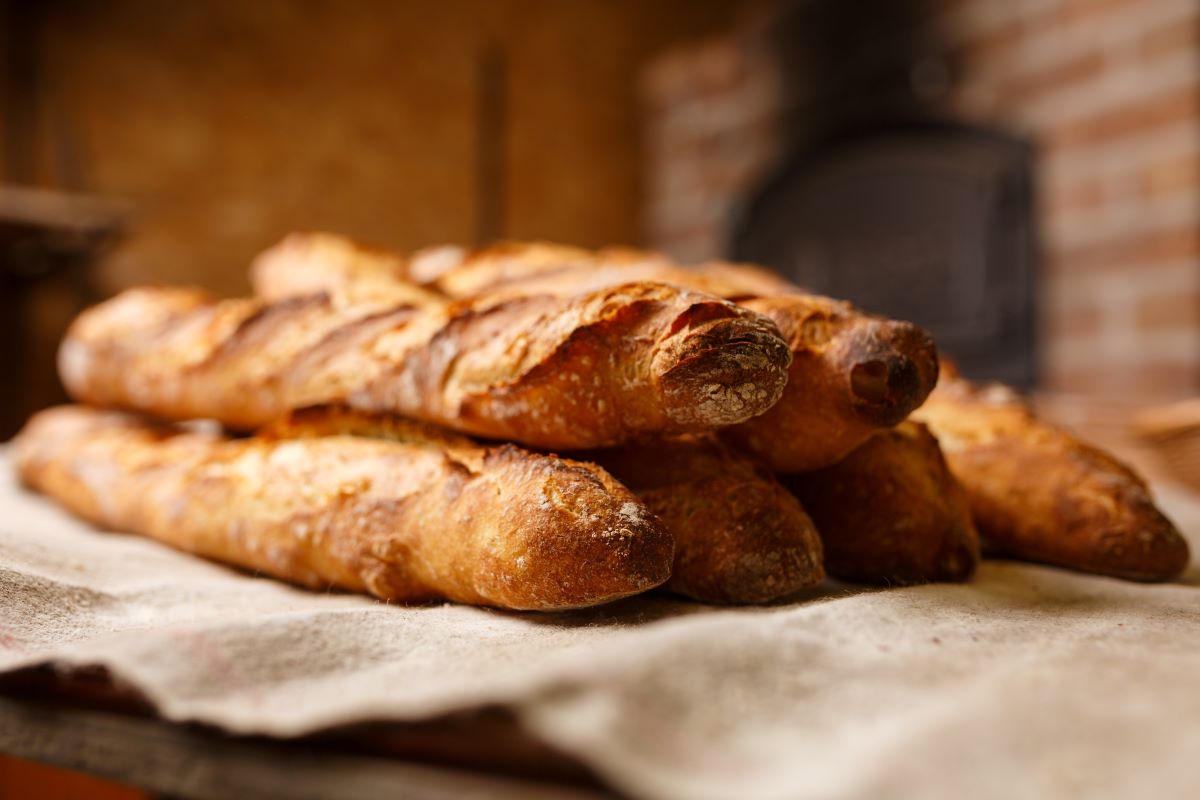
Have you ever wondered exactly why the baguette is the shape it is? Don’t get us wrong, it’s a great shape. It’s easy to carry, easy to slice, and an iconic symbol of French cuisine, and there are plenty of legends about where that shape comes from.
- The most popular seems to be that Emperor Napoleon I thought it would be easier for his troops to carry around in their trousers. (Hopefully, this isn’t a tradition that French waiters like to continue today.)
- Another myth is that the baguette is easy to tear apart with your hands, which means people didn’t need to carry knives wherever they went. So, the theory goes, baguettes were a great way of lowering knife crime in Parisian streets. Luckily, neither is true!
So what’s the real story? To help keep people from overworking, in 1920 the government passed a law forbidding bakers to start their shifts before 4 am, or from working past 10 pm. Now if you’re a baker, that’s great for your sleep, but it’s not so great for your bread-making.
Bread takes time to rise and bake, so if you’re only allowed to start your day at 4 am, what do you do? You create the baguette! The long, thin shape of the loaf exposes as much of the dough to heat as possible, meaning it bakes faster. This way, your bakery can pump out the same number of loaves in less time.

3. You Can Reserve Your Baguette Online in France
Is this one really that surprising? At this point, it must be clear that in France, we love bread more than most people love anything! But for Florian Maïly, a native of Burgundy, this love was painful. “I have two passions in life,” he said. “Getting up late and fresh bread.” The problem with these passions? They come into conflict.
Bakeries tend to be the playgrounds of early risers, and most will sell out of the good stuff (including baguettes) before the rest of us wake up in time to go. But inspiration struck Florian when he saw a poll claiming that 92 percent of French residents were “terrified” of a bread-less meal.
So in 2016, Florian decided to launch a start-up called Mon Pain allowing people like himself to reserve their baguettes and bread online. It is now known as Commander Mon Pain, and delivers fresh bread throughout France and even internationally. Finally—a way to eat baguettes and also not get up at dawn!
4. There Are Baguette Vending Machines
Ever woken up in the middle of the night needing a baguette? Back in the day, this was a terrible moment. It’d be 2 am, and there was nothing you could do except cry and go back to sleep, waiting for the sweet release of dawn to signal the opening up of bakeries.
Luckily for lovers of midnight snacks and haters of social interaction, you can now get your baguettes from a machine. Since 2013, a handful of cities across France have unveiled their first 24-hour, 7 days a week baguette vending machines. While it goes without saying that these baguettes aren’t as good of quality as the bread you can buy in a local boulangerie, it’s a trend to start watching closely.

5. The French Are Eating Fewer Baguettes than Ever!
At this point, you might be thinking that the French love baguettes a little too much. Who else would have so many rules and traditions about just one type of bread?! Even more notably, in 2022, the baguette was granted UNESCO Intangible Cultural Heritage status.
But it turns out that the French are consuming fewer baguettes than ever before. In 1900, the average French person ate more than three baguettes every day. By 1970, that number had fallen to just one baguette per day. And these days, people eat just half a baguette on a daily basis. Now, half a loaf of bread every day might still seem like a lot of white bread to consume, but for our great-grandfathers of the early 20th century, that’d be heresy!
The baguette is probably safe from ever dying out, though. It’s one of the most loved and easily recognizable breads from around the world, and still at the top of every traveler’s bucket list when they go to Paris!

Bonus: Rules for Baguettes in France
Did you know that there are rules about the general length and weight of baguettes? Here’s some more fun facts that you might not have known!
- If it’s not 55-65 cm long and 250-300 grams in weight, well…it’s not a baguette.
- You’re also only allowed four ingredients: flour, yeast, salt, water.
- You have to sell it in the same place you bake it.
Taste the Best of Paris with Us on Tour
Discover Paris’ culinary soul on our top-rated Ultimate Paris Food Tour. Join one of our expert local guides on a journey to tiny bakeries, bustling markets, family-run bistros, and cozy wine bars. You’ll taste 10+ dishes across 8 curated stops, including buttery croissants, artisan chocolates, creamy French cheeses, and a soulful bistro lunch. Experience a journey into the heart of French cuisine!

Featured Review: Ultimate Paris Food Tour
⭐⭐⭐⭐⭐ “Cecilia provided a very informative and enjoyable tour through the Marais area. It was hard to pick a favorite food item as they were all delicious and interesting!”
– HB on Tripadvisor
Baguette Fun Facts FAQs
What makes French baguettes different from other bread?
A traditional French baguette is made with just four ingredients: flour, water, salt, and yeast. In France, a loaf labeled “traditional baguette” cannot legally contain preservatives or additives, which is one reason why it tastes so fresh—and goes stale so quickly.
Why are French baguettes so long and skinny?
There are several theories, but the most likely explanation is practical: in the 1920s, French labor laws limited how early bakers could start work. Long, thin loaves baked faster than large round ones, so the modern baguette became the standard.
How many baguettes do the French eat?
The French eat an astonishing amount of baguettes—around 10 billion every year, or roughly 320 every second. The average French person eats a half of a baguette a day, which is much lower than it was in times past. Fresh baguettes remain such an important part of daily life that many people still stop by their local bakery every morning.
Did French baguettes become a UNESCO cultural treasure?
Yes. In 2022, the traditional craftsmanship behind the French baguette was added to the UNESCO Intangible Cultural Heritage list. The recognition celebrates not just the bread itself, but the culture of neighborhood bakeries and the role baguettes play in everyday life in France